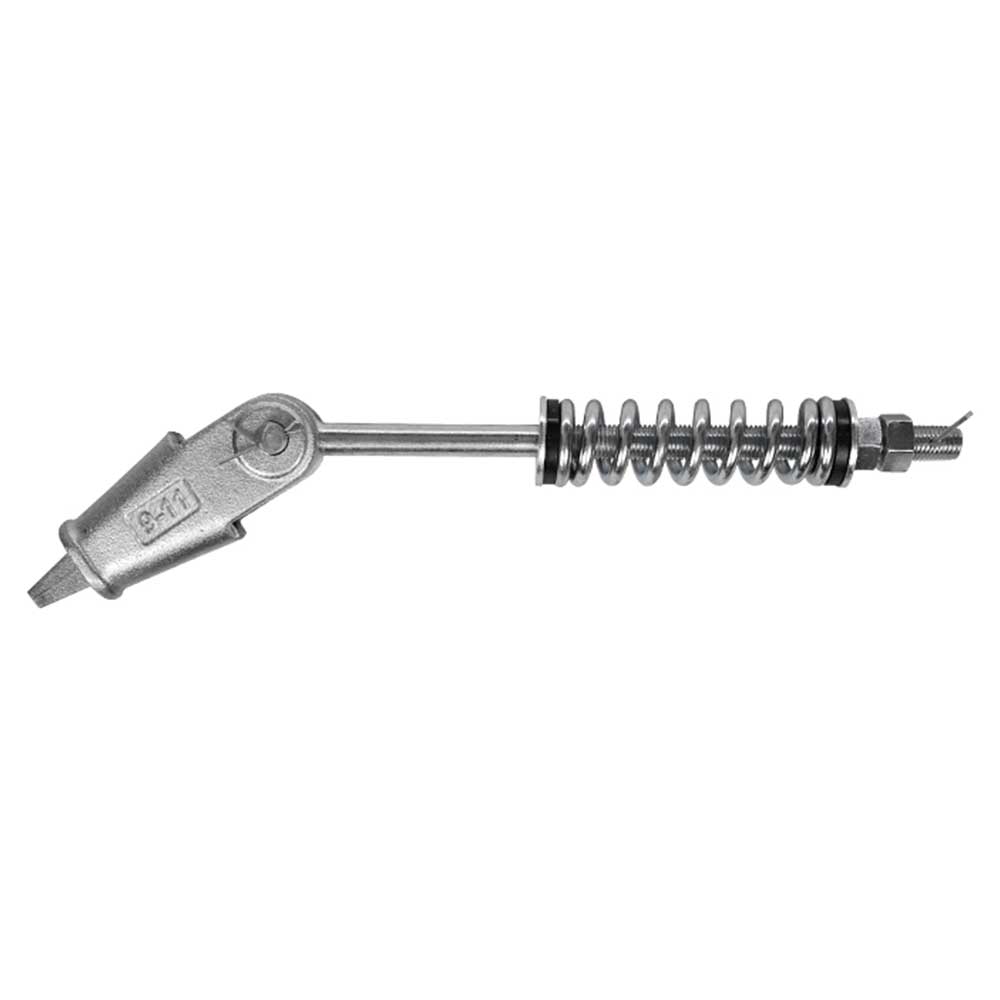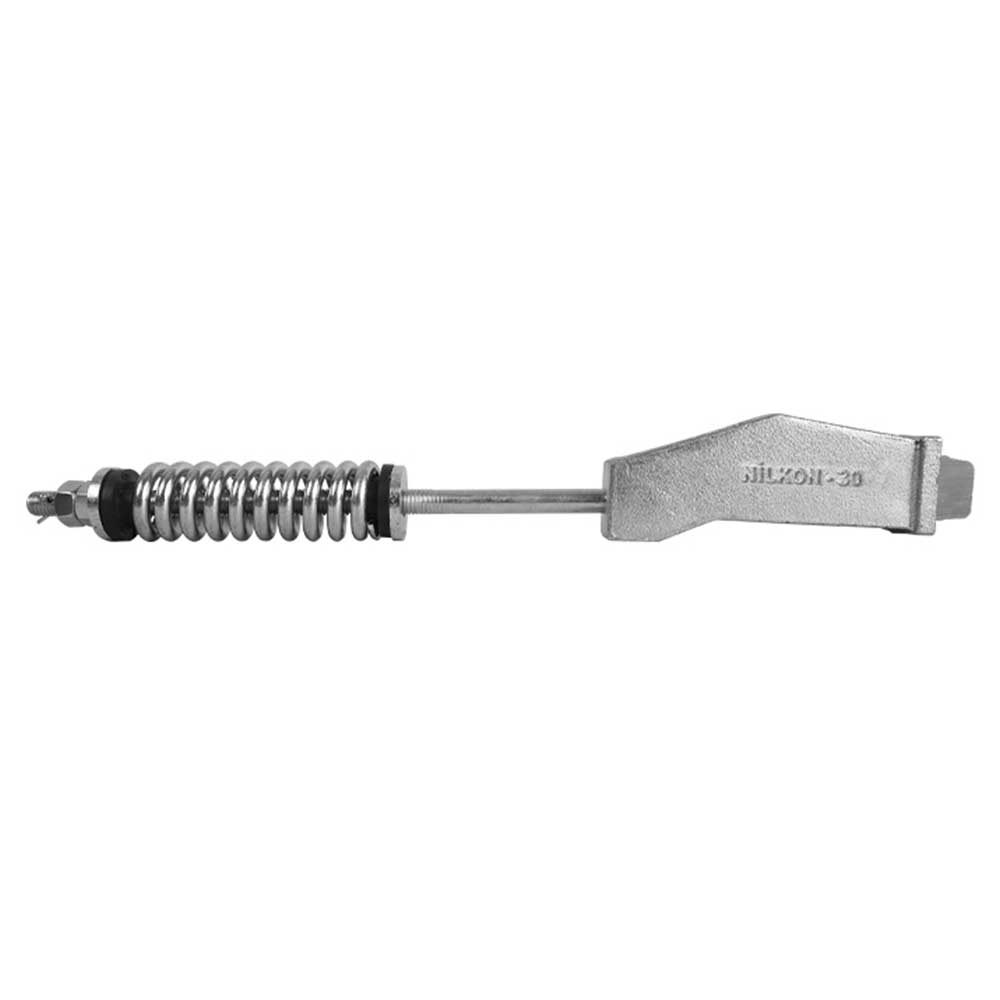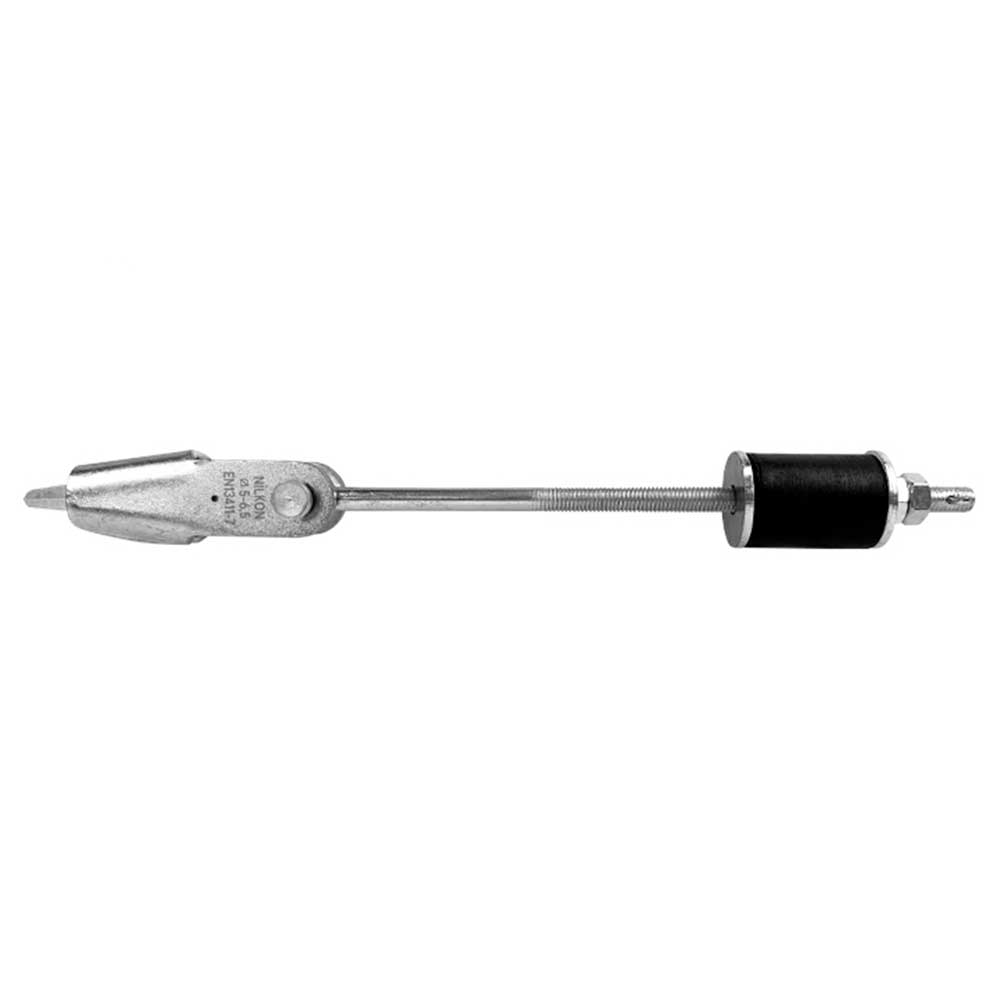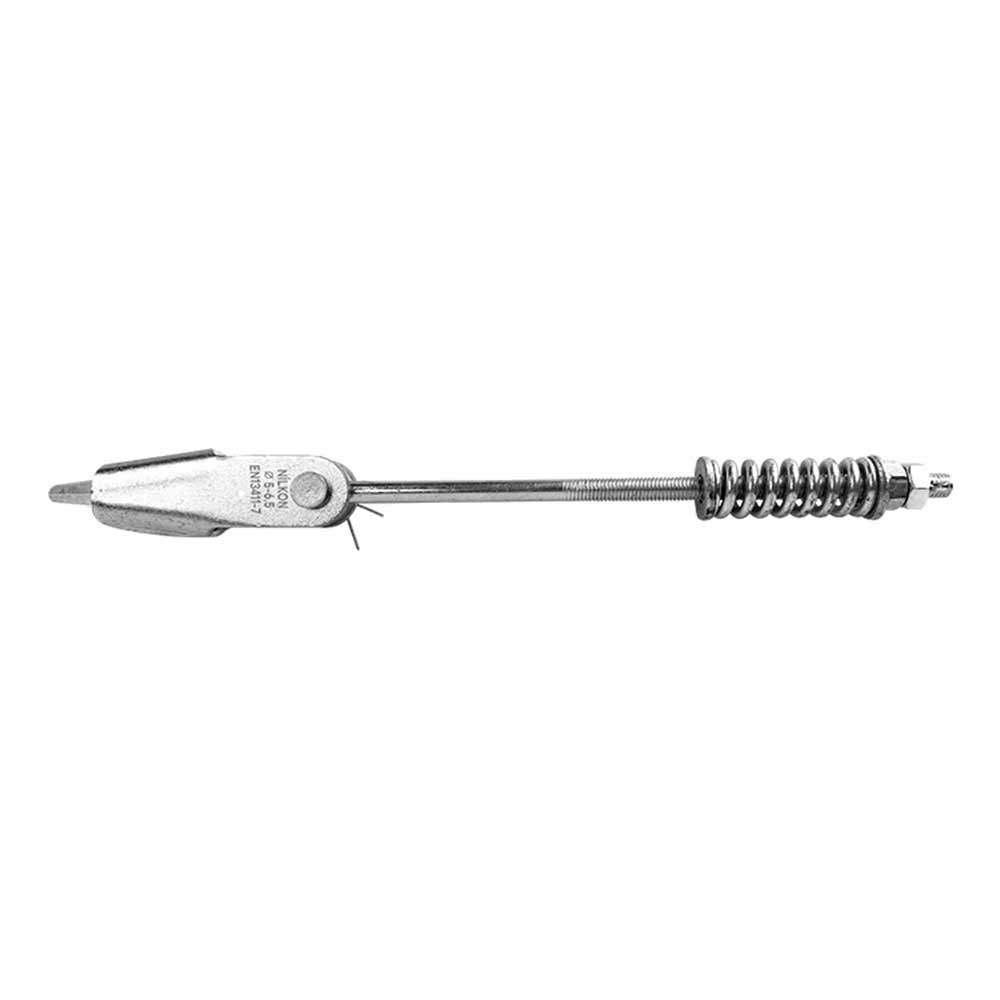
Elevator Machine Anti-Vibration Mount
Cabin Component
CABIN-MOUNT-MACHINE Elevator Machine Anti-Vibration Mount
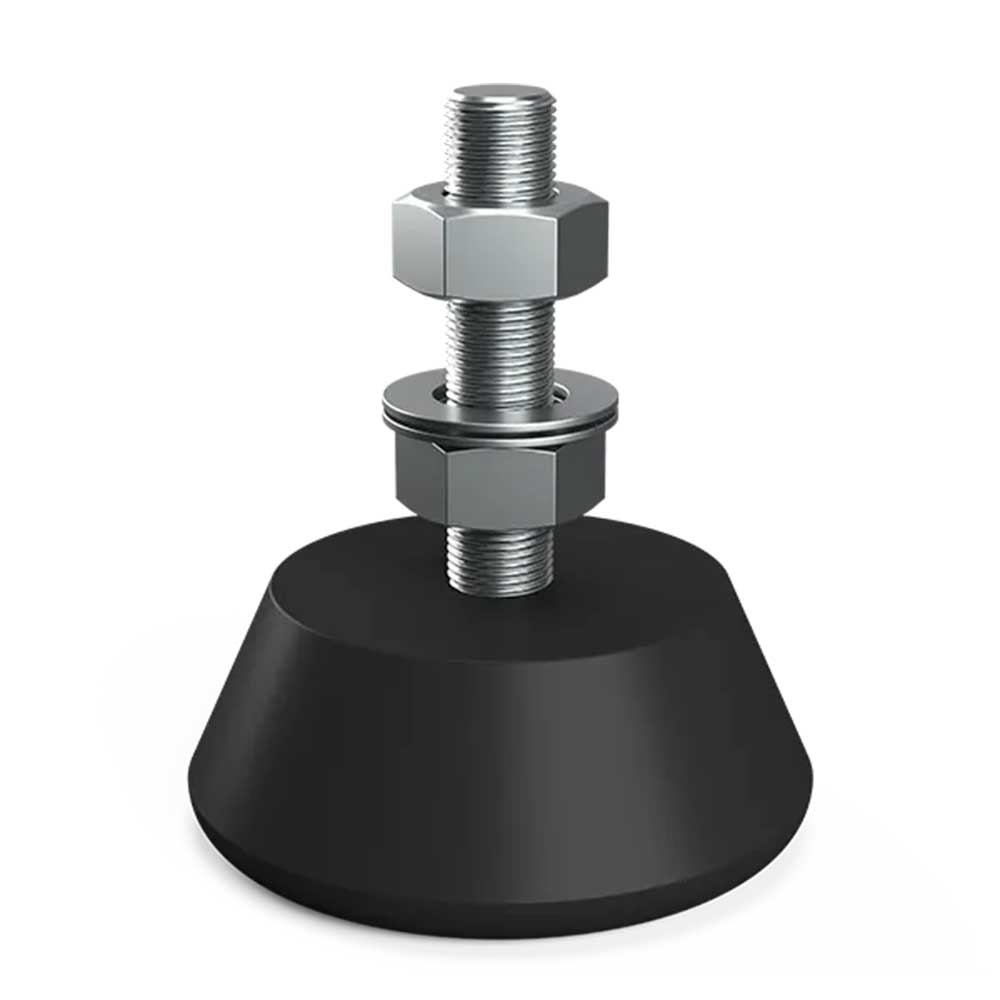
Elevator Machine Anti-Vibration Mount
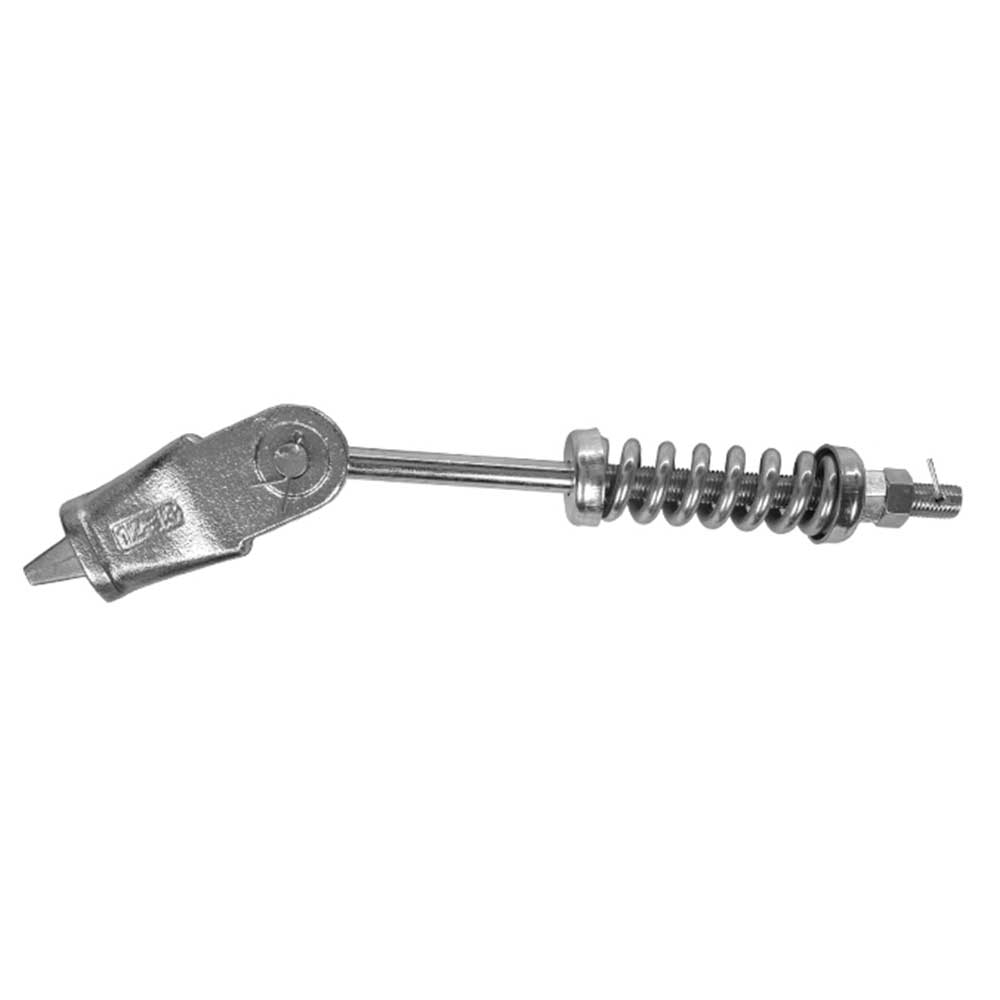
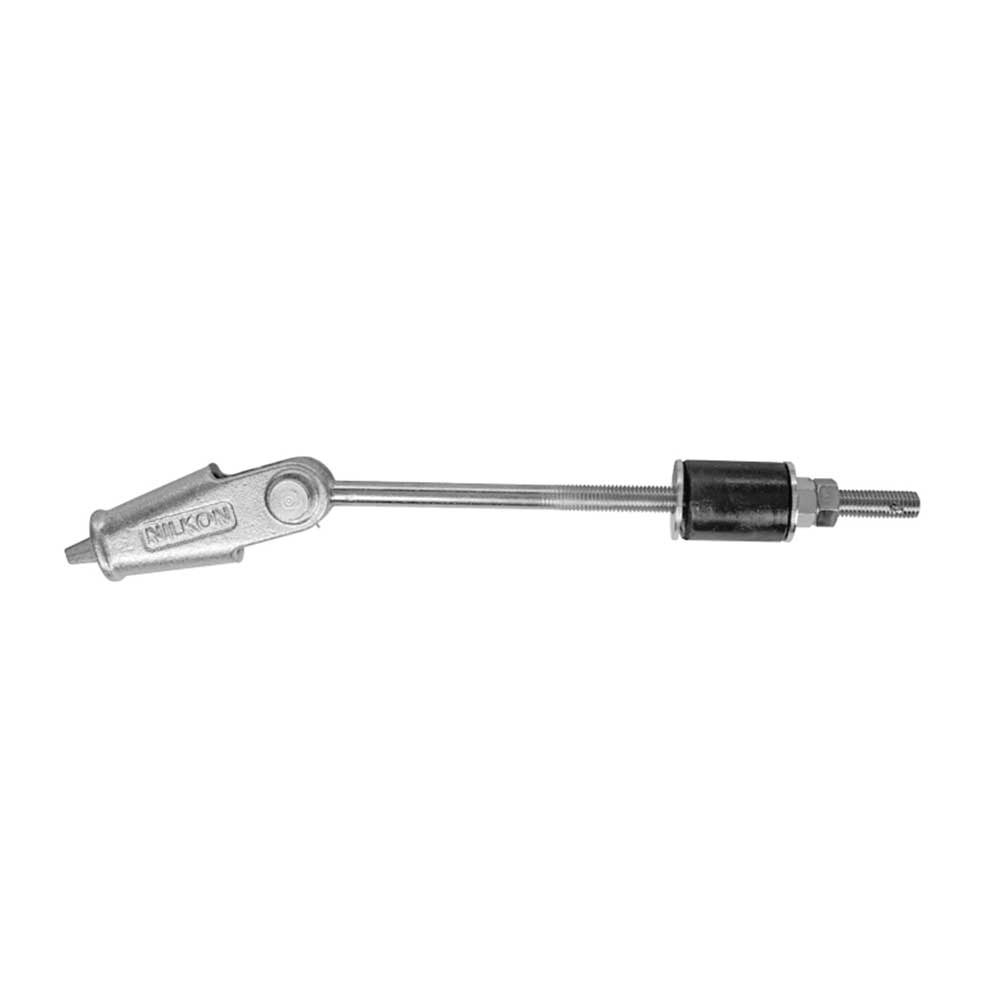
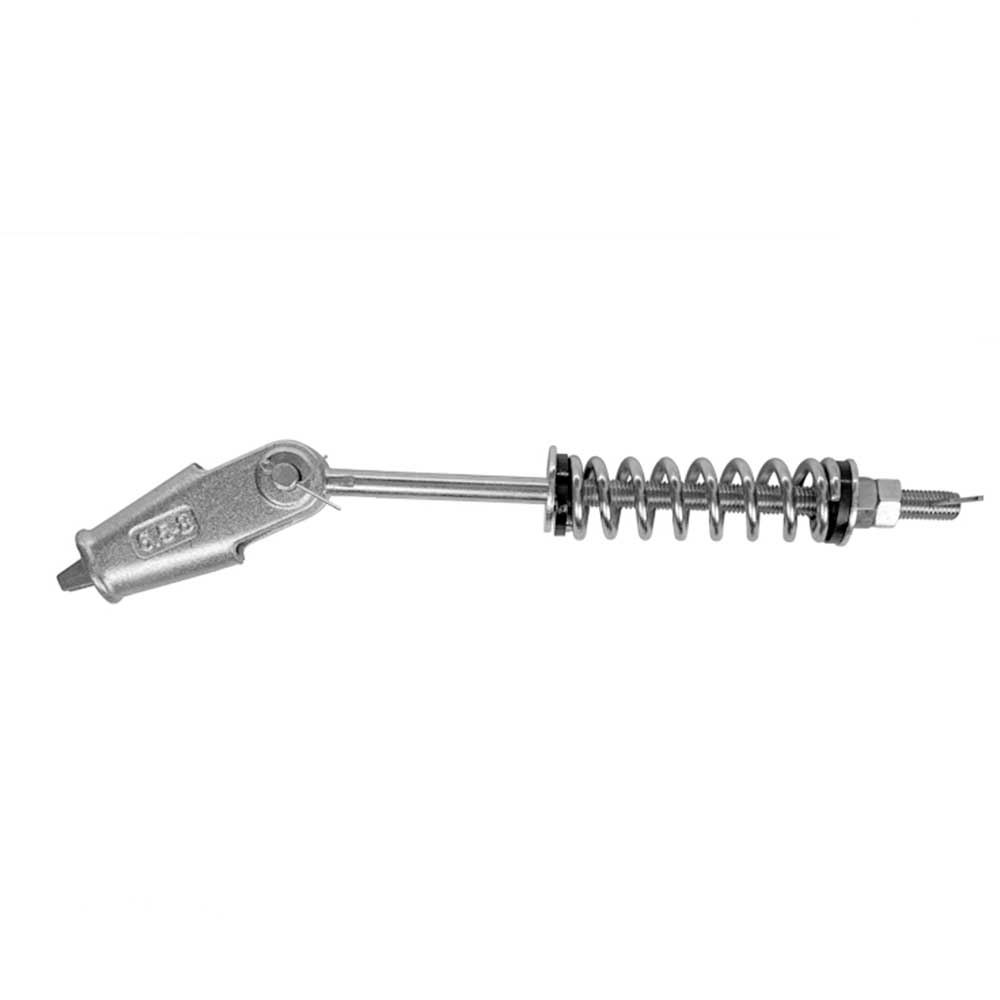
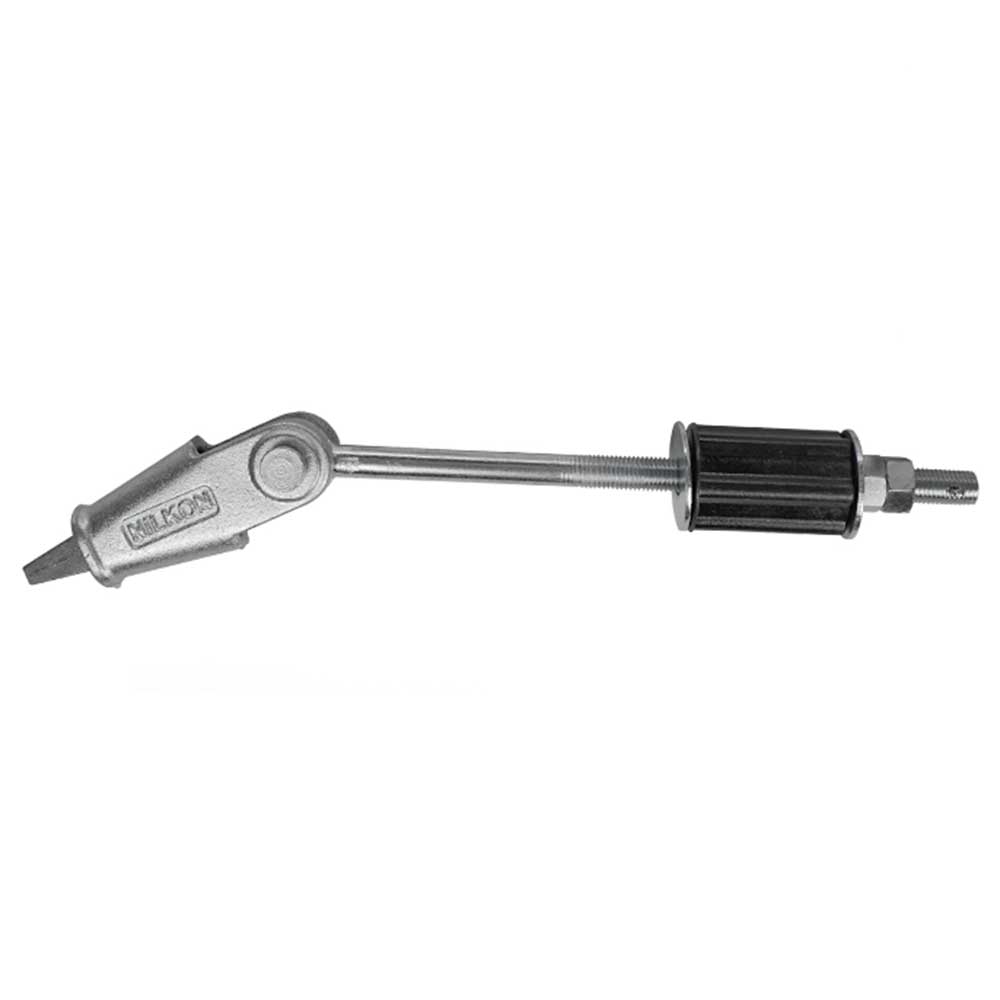
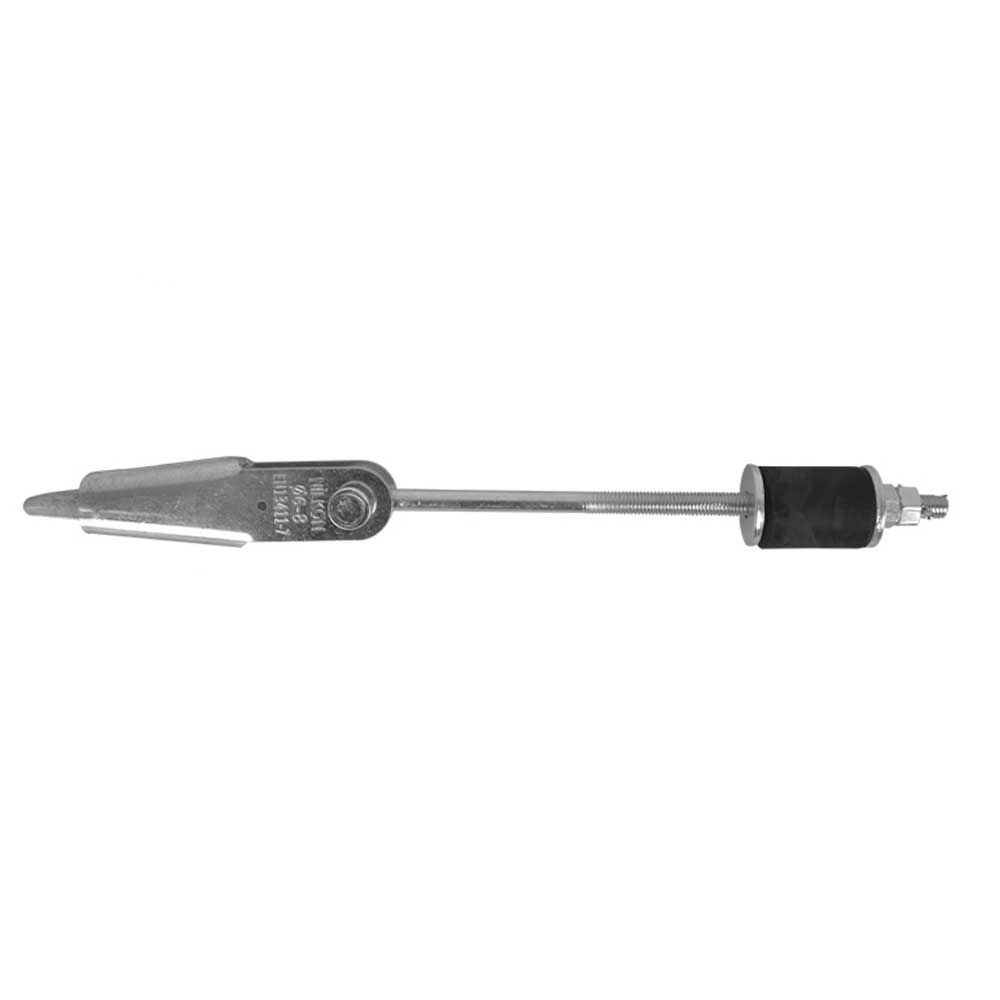
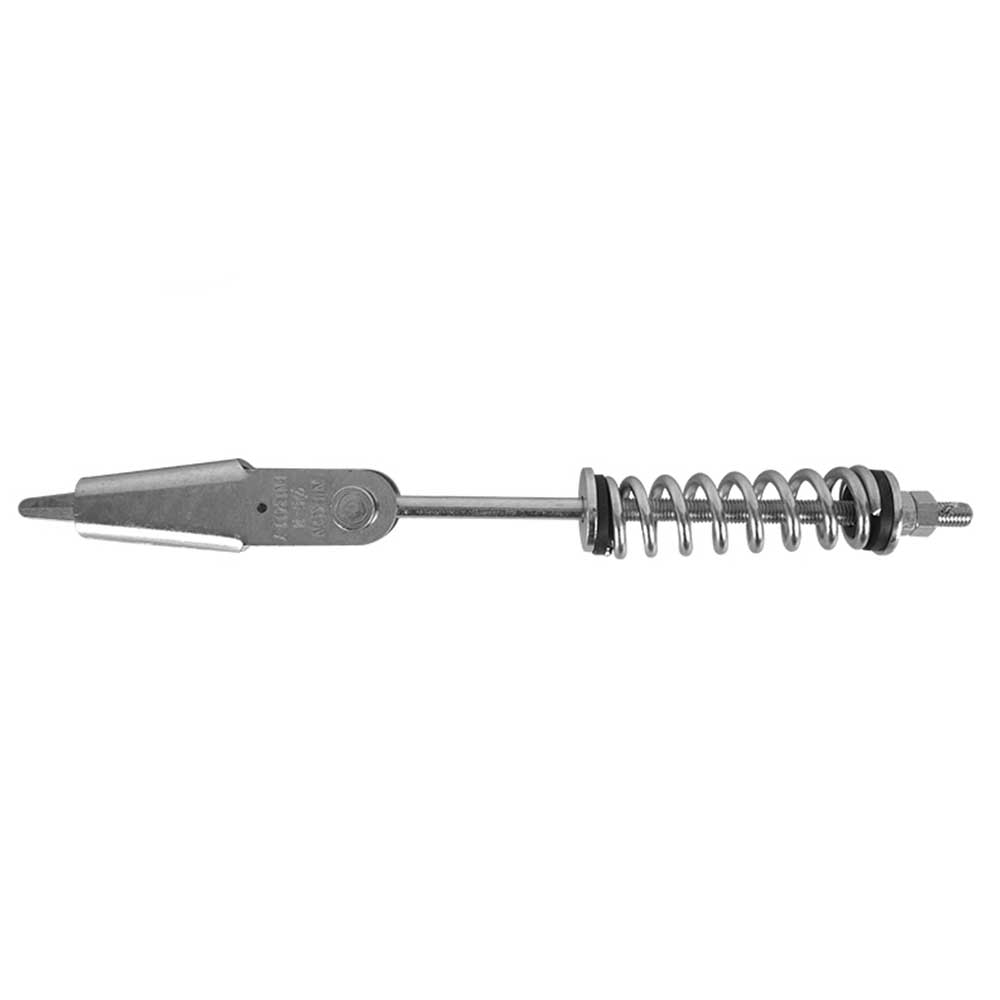
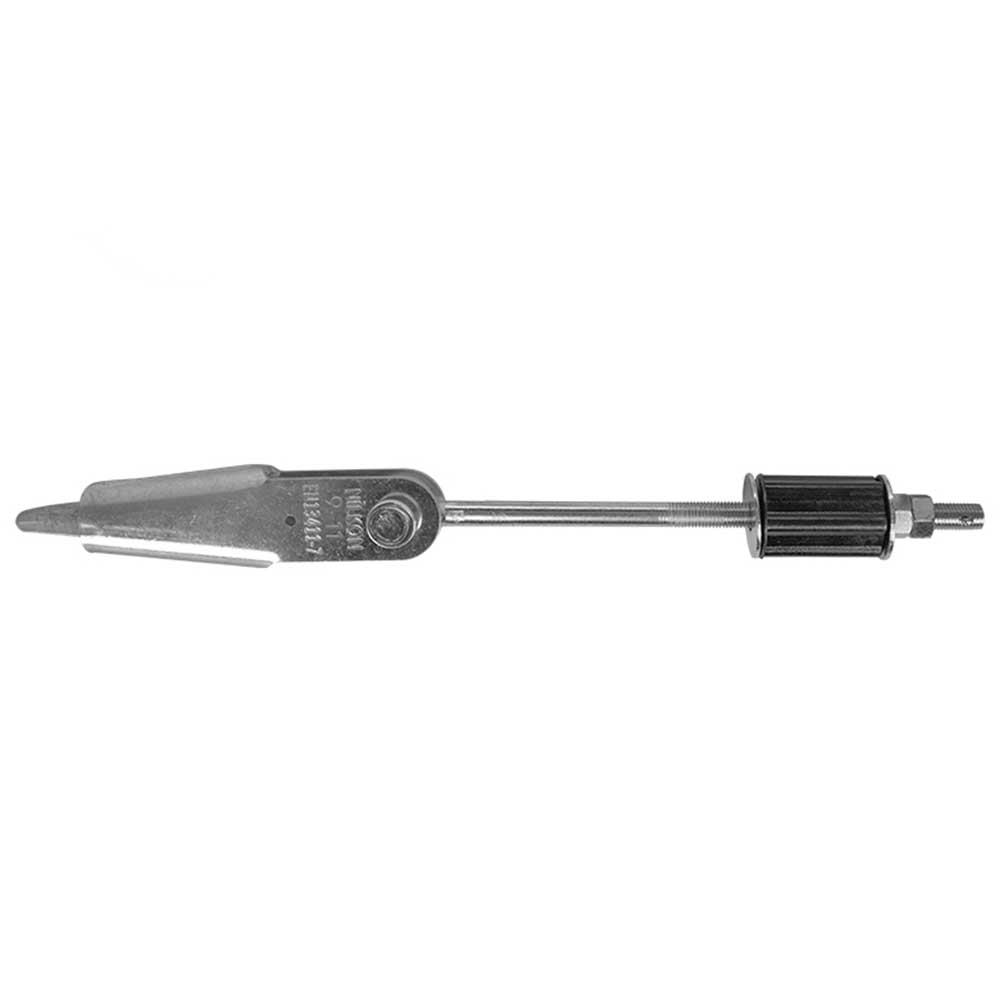
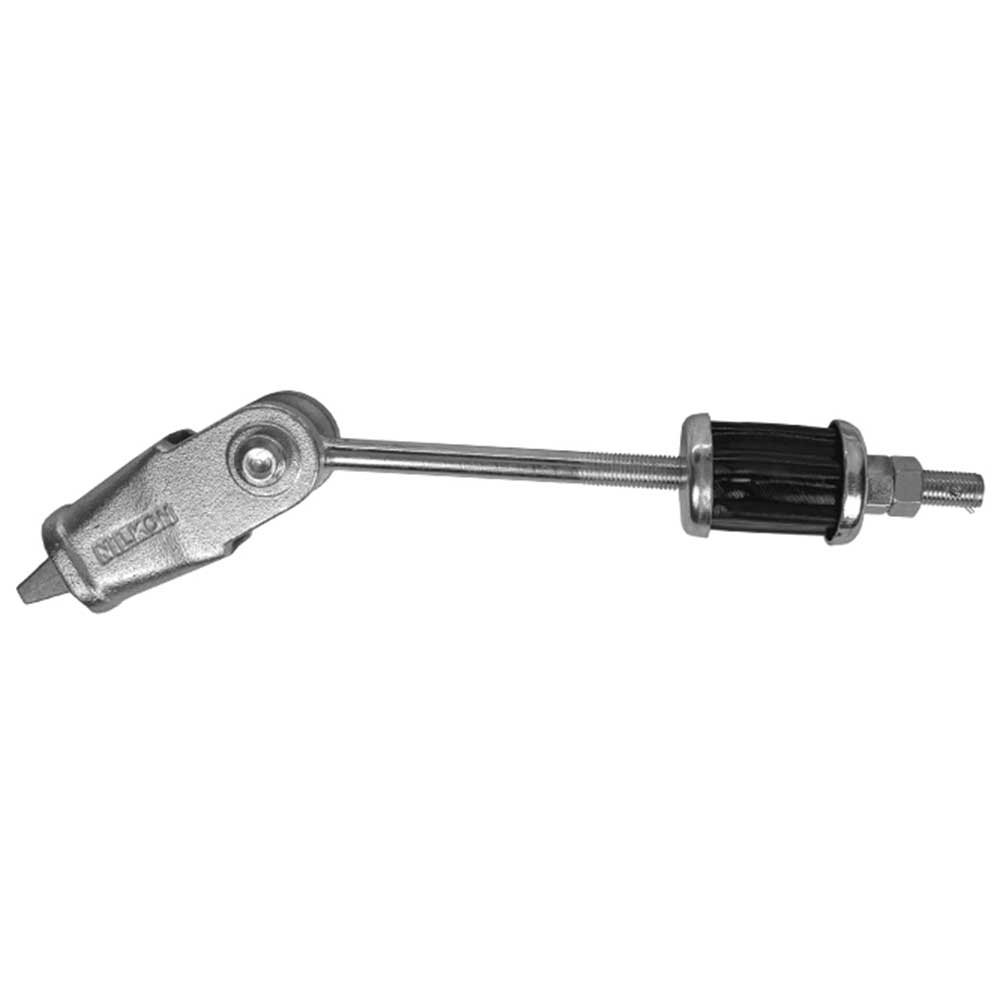
Elevator Machine Anti-Vibration Mount – a conical elastomer machine mount forming a resilient interface between an elevator machine or frame and the supporting surface to help reduce vibration and structure-borne noise.
Although elastomer mounts are physically small components, they can directly influence vibration behavior, metal-to-metal contact, cabin or machine-frame positioning and perceived ride comfort. Selection should therefore not be based on appearance alone; working direction, fixing geometry, elastomer behavior under load and the actual installed position must be considered together.
Rubber or elastomer mounts with a similar shape may have different outside dimensions, threaded-stud diameters, elastomer hardness, body height or load characteristics. These values cannot be determined reliably from photographs. Before modernization, record the existing position, fixing holes, stud/nut arrangement, contact surfaces and number of mounts and compare them using actual site measurements.
Installation, Vibration Isolation and System Compatibility
The metal support surface should be clean, level and mechanically sound before installation. The mount must not be forced into place, cut, twisted or subjected to excessive one-sided loading. On threaded versions, check the seating of nuts and washers and prevent uncontrolled rotation of the elastomer or off-axis pulling during tightening.
Where several mounts work together, all elements should contact on the same plane and share the load consistently. An unloaded mount or one compressed much more than the others can alter vibration behavior and mechanical alignment. In cabin applications review clearances to the frame, panels and adjacent elements; in machine applications inspect the machine base, frame, fixing bolts and supporting surface together.
Threaded-connection compatibility, elastomer working axis, nut/washer arrangement, machine level, equal contact of all mounts and avoidance of excessive compression.
Commissioning, Maintenance and Project Verification
During commissioning, observe the system throughout normal operation and check for abnormal compression, leaning, rotation, rubbing, metal-to-metal contact, loose fixing or unexpected vibration. If sound or vibration changes noticeably, inspect not only the mount but also the connected frame, fixing points and adjacent mechanical components.
Periodic maintenance should inspect surface cracking, elastomer separation, crushing, permanent deformation, signs of hardening or softening, loose threaded connections, movement of nuts and washers, corrosion and sliding at contact surfaces. Rubber and elastomer materials can be affected by oil, chemicals, heat, aging and prolonged compression, so environmental conditions should also be reviewed.
Exact load capacity, elastomer hardness, rubber compound, screw or stud diameter and thread pitch, tightening torque, allowable compression, natural frequency, vibration-isolation efficiency, temperature range and compatibility with a specific elevator model must not be inferred from images. These values should be confirmed from current technical documentation, project calculations and actual site measurements.