Atlas Elevator Overload System – 4 Active Sensors
Electrical Component
ATLAS-OL-4A Atlas Elevator Overload System – 4 Active Sensors
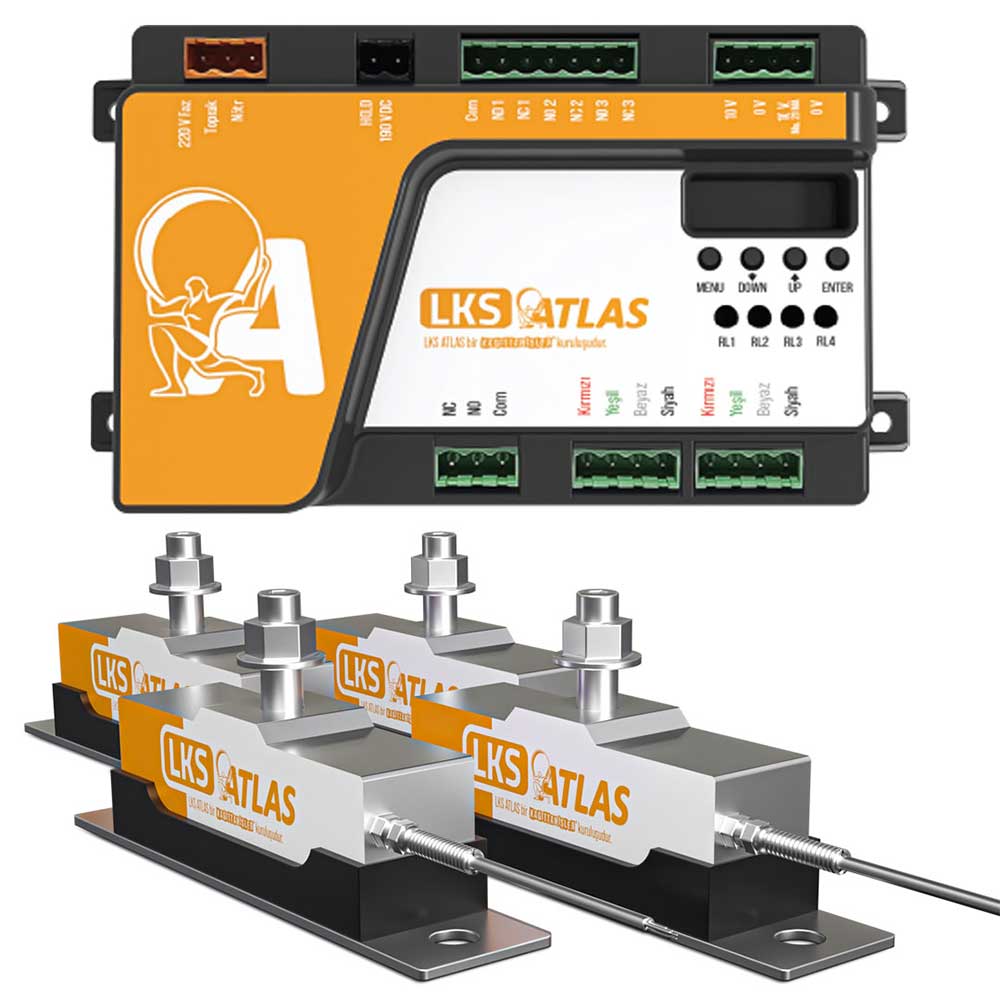
Atlas Elevator Overload System – 4 Active Sensors
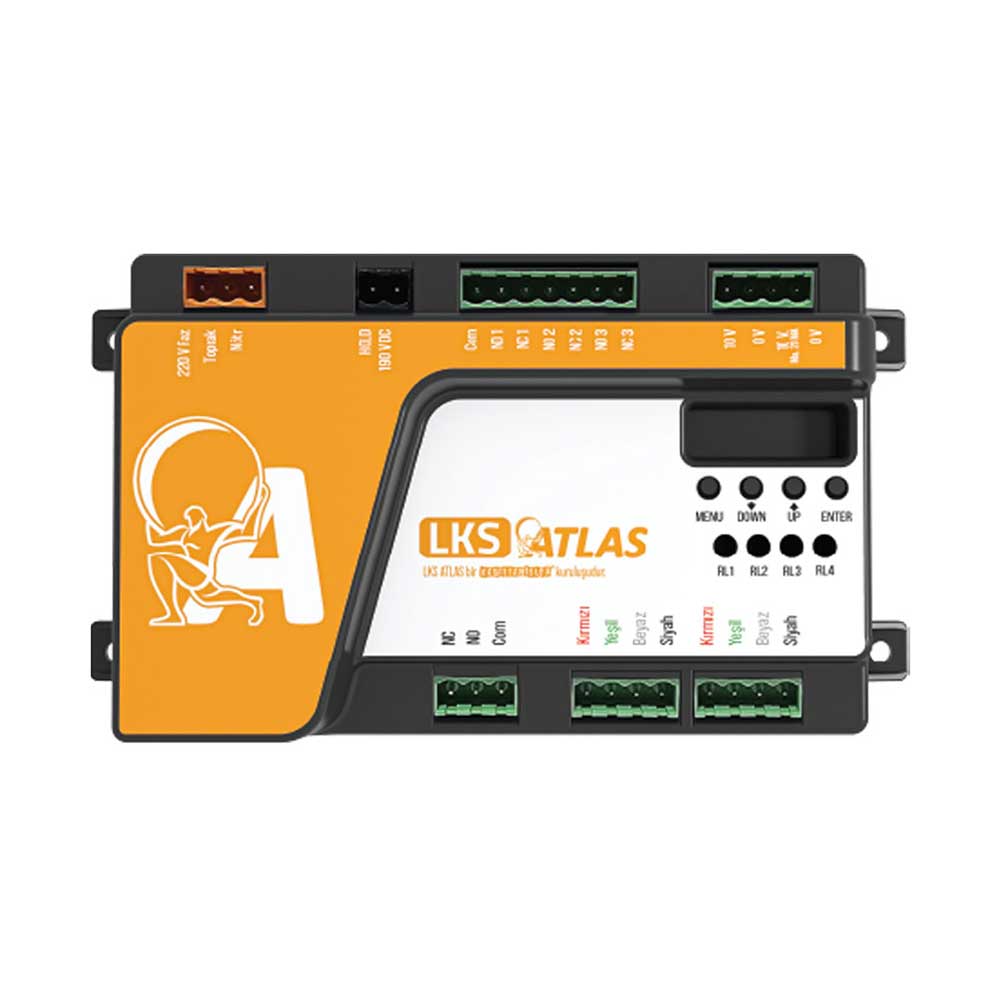
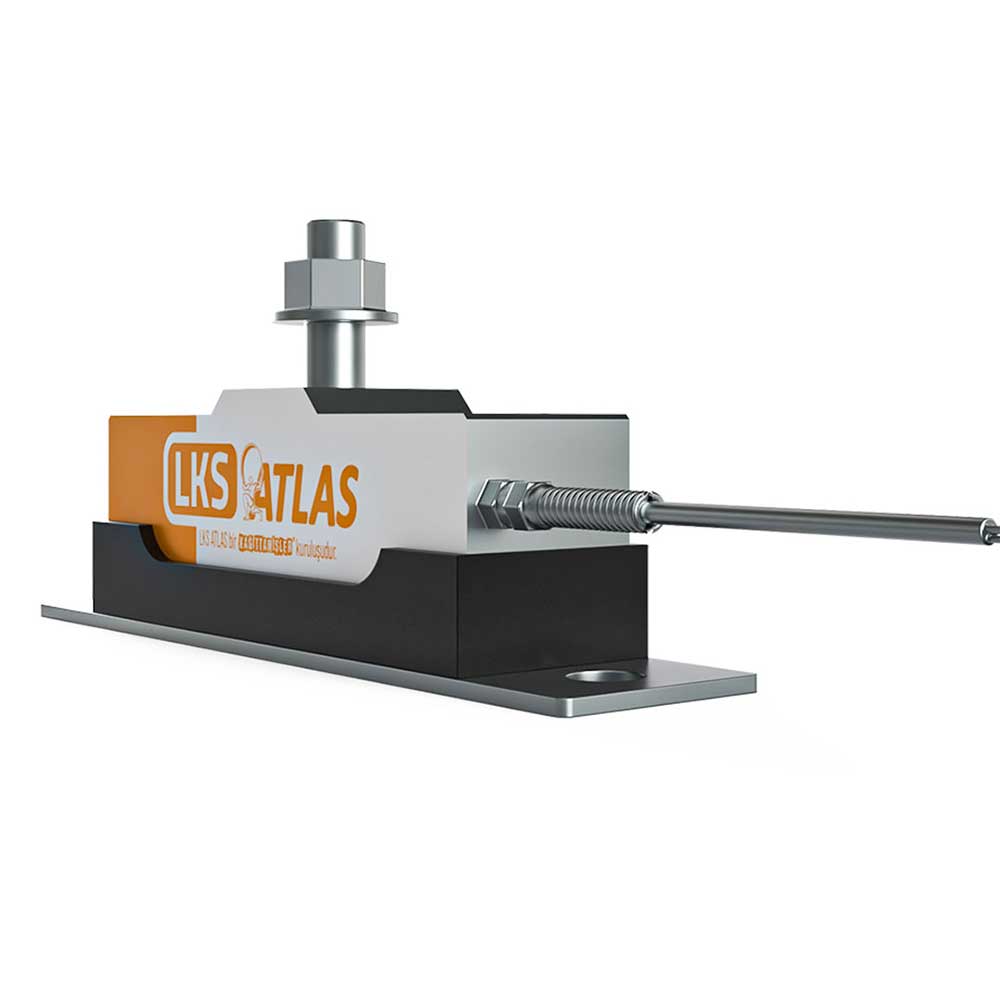
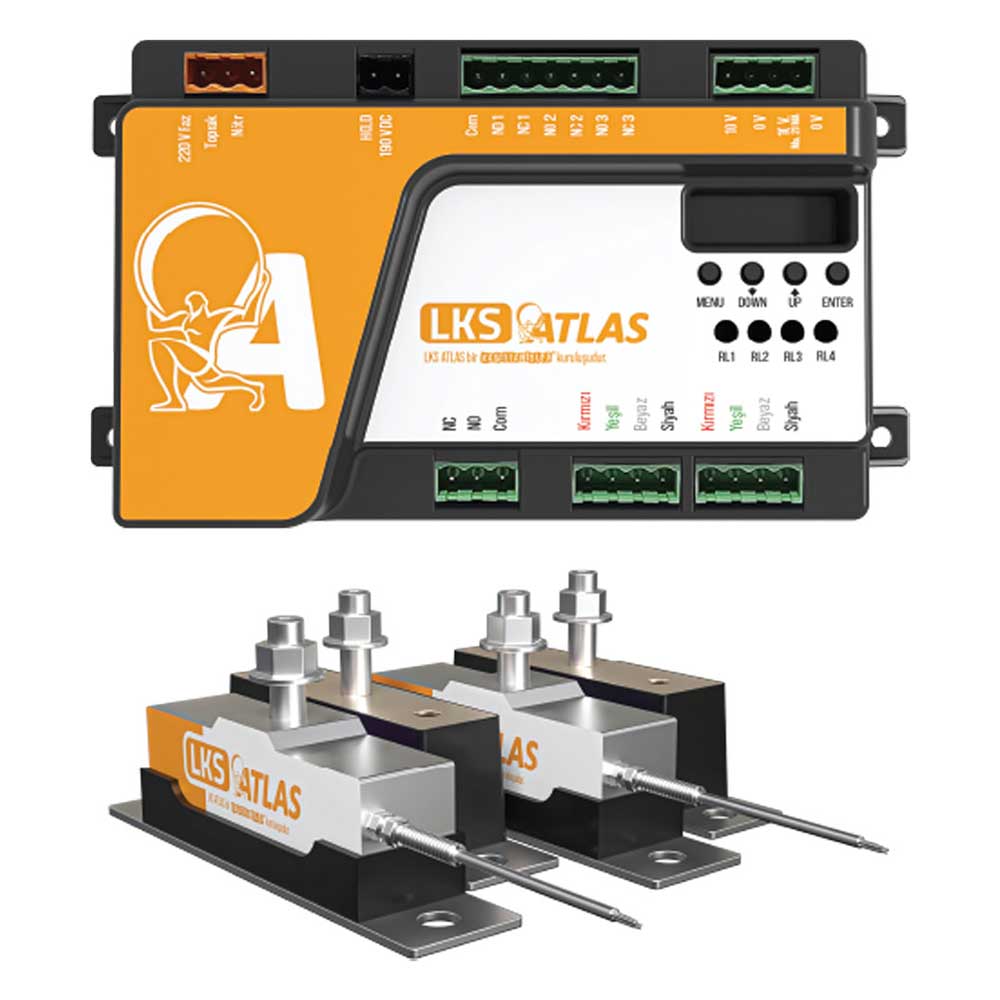
Atlas Elevator Overload System – 4 Active Sensors is an overload-detection configuration consisting of a main control board and four active sensors intended to support monitoring of load changes in the elevator car and reliable transfer of an overload condition to the lift control system when the configured operating limit is exceeded. An elevator overload arrangement should not be treated as a single sensor or an isolated electronic board: correct mechanical loading of the sensing elements, balanced load transfer through the car or supporting structure, protected cable routing, correct controller connections and verification under real operating conditions all contribute to dependable behaviour.
In modernization work, an existing load-monitoring arrangement may become inconsistent because of mechanical wear, loose fixings, changes in sensor position, cable damage or incorrect adjustment. For this reason, Atlas Elevator Overload System – 4 Active Sensors should not be selected only by visual similarity or by the name of the part previously installed. Existing mounting points, the way the load reaches the sensors, car-frame geometry, mechanical contact surfaces, power and signal wiring, input/output connections and the way the lift controller uses the overload information should be reviewed as one system.
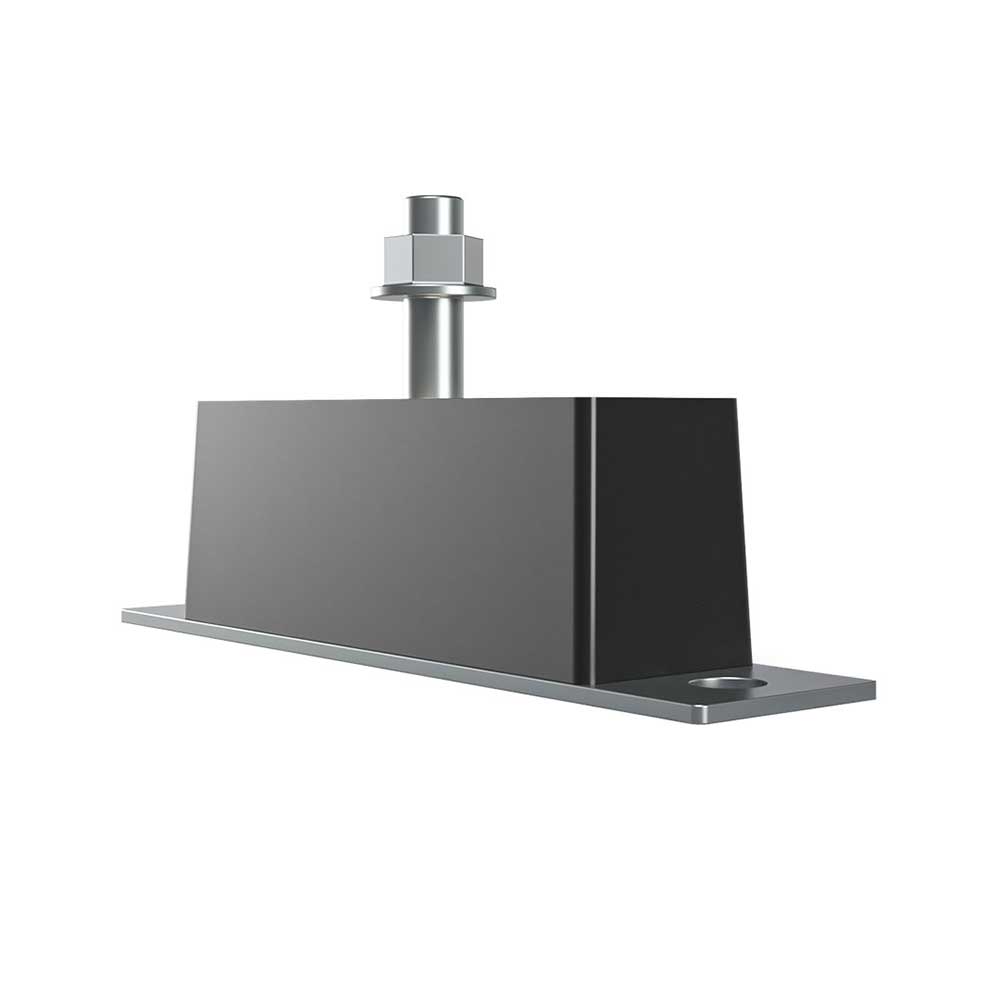
For this product, the mounting points of all four active sensors, mechanical load transfer and main-board connections should be evaluated together. Meaningful sensing depends on consistent mechanical load transfer. If one point applies permanent preload to a sensor while another point remains loose, or if a fixing is mechanically jammed, electronic calibration alone may not produce repeatable results. Mechanical installation, electrical connection and parameter adjustment should therefore be handled as parts of a single commissioning process rather than as independent tasks.
Modernization, Installation and Commissioning
Before replacement, record the existing number and type of sensors, cable routes, terminals and the logic by which overload information is used in the controller. During installation, sensing surfaces should not be distorted, supporting parts should sit correctly, cables should be protected from sharp or moving surfaces and terminals should be secured against vibration. In particular, the mounting points of all four active sensors, mechanical load transfer and main-board connections should be evaluated together. Where the existing lift uses a different sensing principle, wiring arrangement or dedicated controller interface, final connection should be confirmed from current technical documentation and site measurements.
Commissioning should observe the system with an empty car, progressive loading and normal operating conditions. The objective is not simply to obtain one overload indication, but to confirm repeatable behaviour, consistent response to load changes, correct interaction with door/motion permission logic and a service procedure that can be reproduced later. Any modification to sensor wiring, mechanical mounting or the control board should be followed by a new functional check.
Maintenance, Fault Finding and Project Verification
Periodic maintenance should include sensor fasteners, mechanical contact points, cable jackets, connectors and terminals, physical condition of the control electronics and the transfer of overload status to the elevator control system. If the lift produces unstable warnings, an alarm with little or no load, delayed response under load or different behaviour between sensing points, mechanical load distribution and wiring should be checked before changing electronic settings. Cleaning should avoid liquids or conductive residue that could damage the electronic components.
Exact capacity, threshold values, electrical ratings, terminal assignments and compatibility for Atlas Elevator Overload System – 4 Active Sensors should never be assumed from the product name or photograph alone. Car construction, load-transfer geometry and controller architecture vary between lifts, buildings and markets. Final selection and setup should therefore be based on actual site conditions and current technical data. This approach makes the same product family easier to deploy across modernization projects while keeping future maintenance and replacement work more traceable.