T50-T70 Square Forged Guide Rail Clip
Shaft Component
RAIL-CLIP-SQUARE-T50-T70 T50-T70 Square Forged Guide Rail Clip
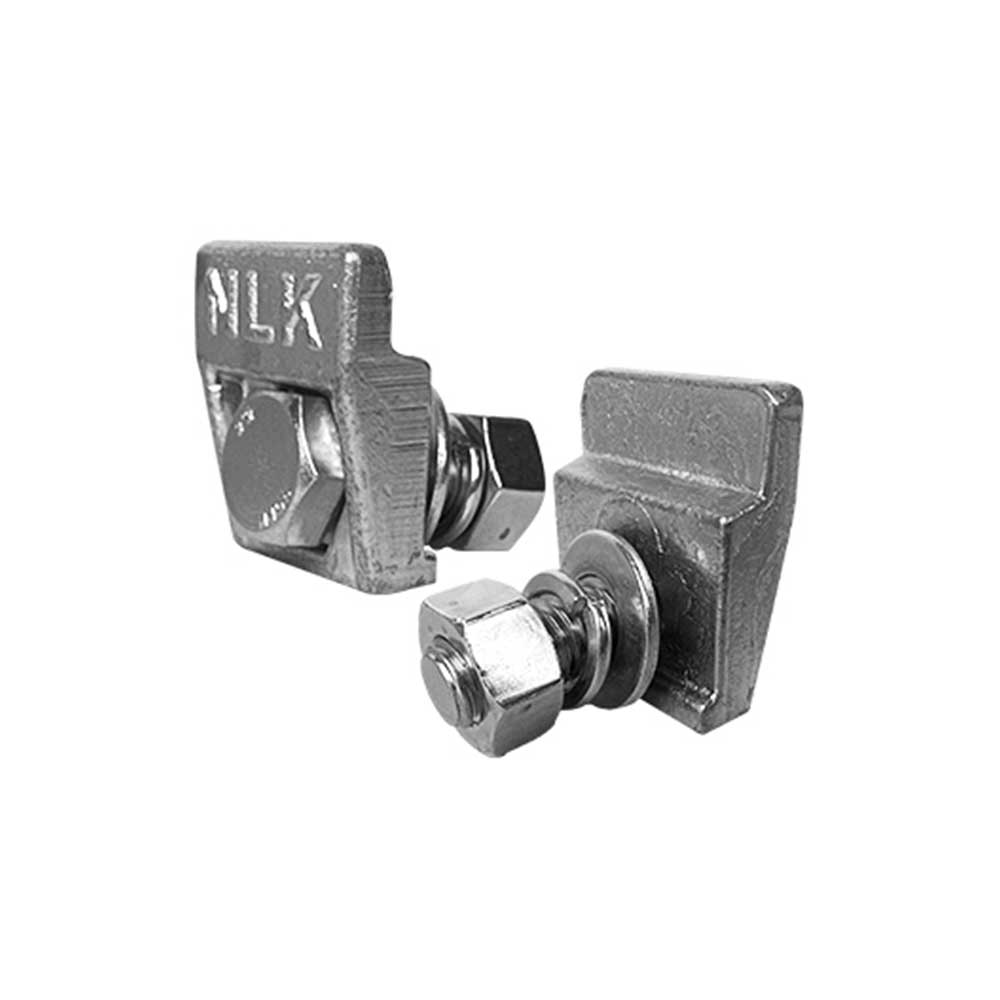
T50-T70 Square Forged Guide Rail Clip
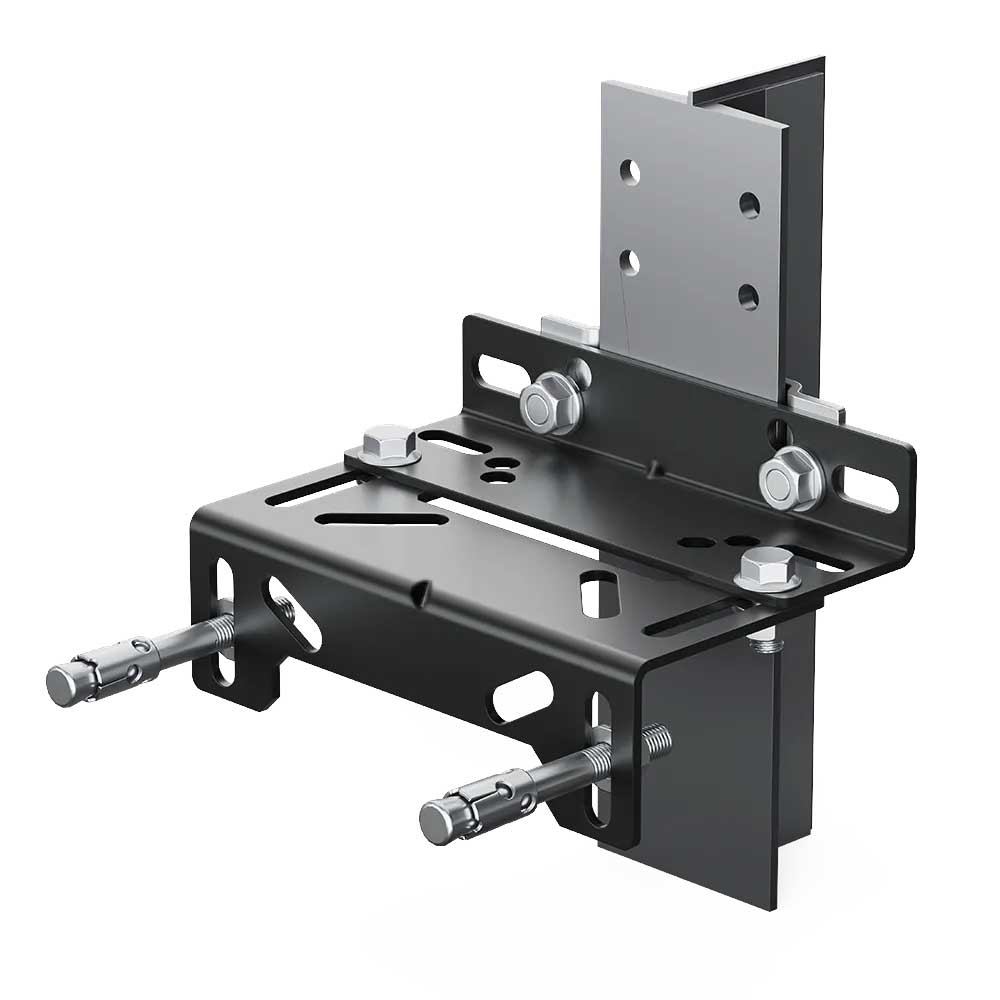
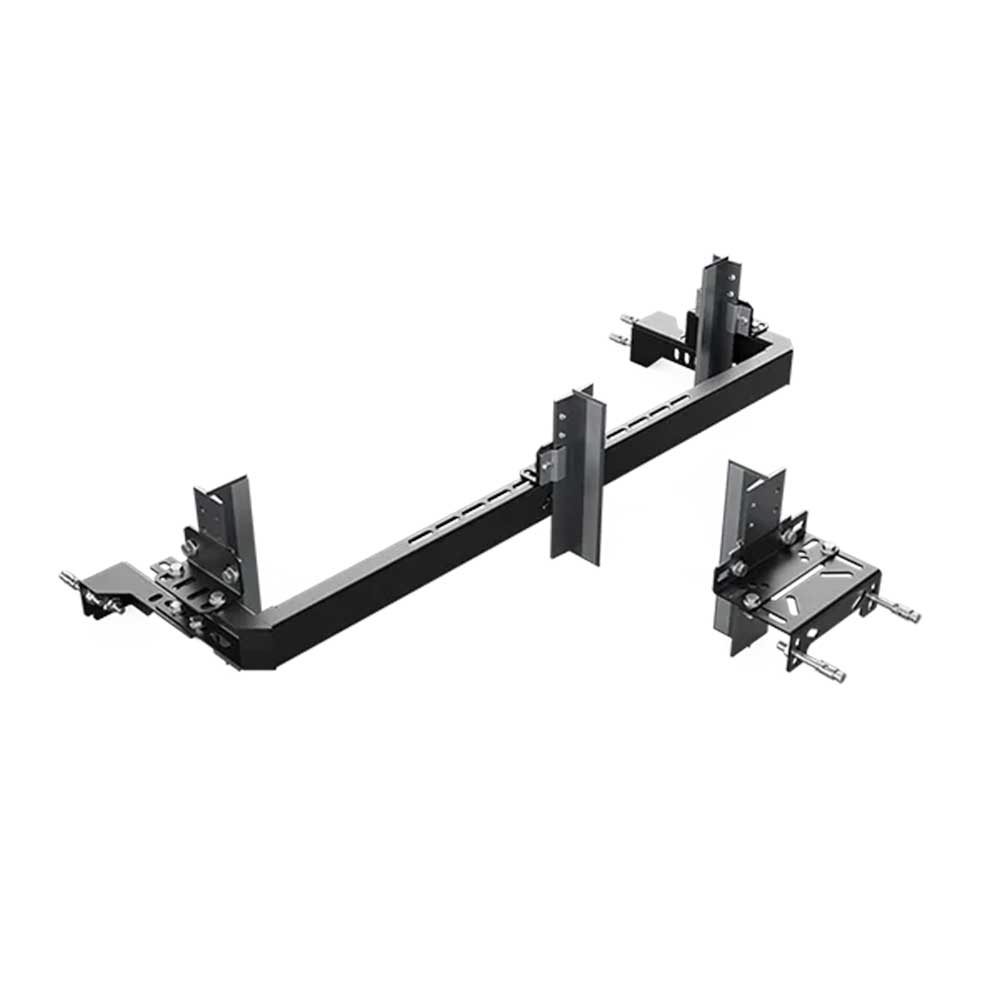
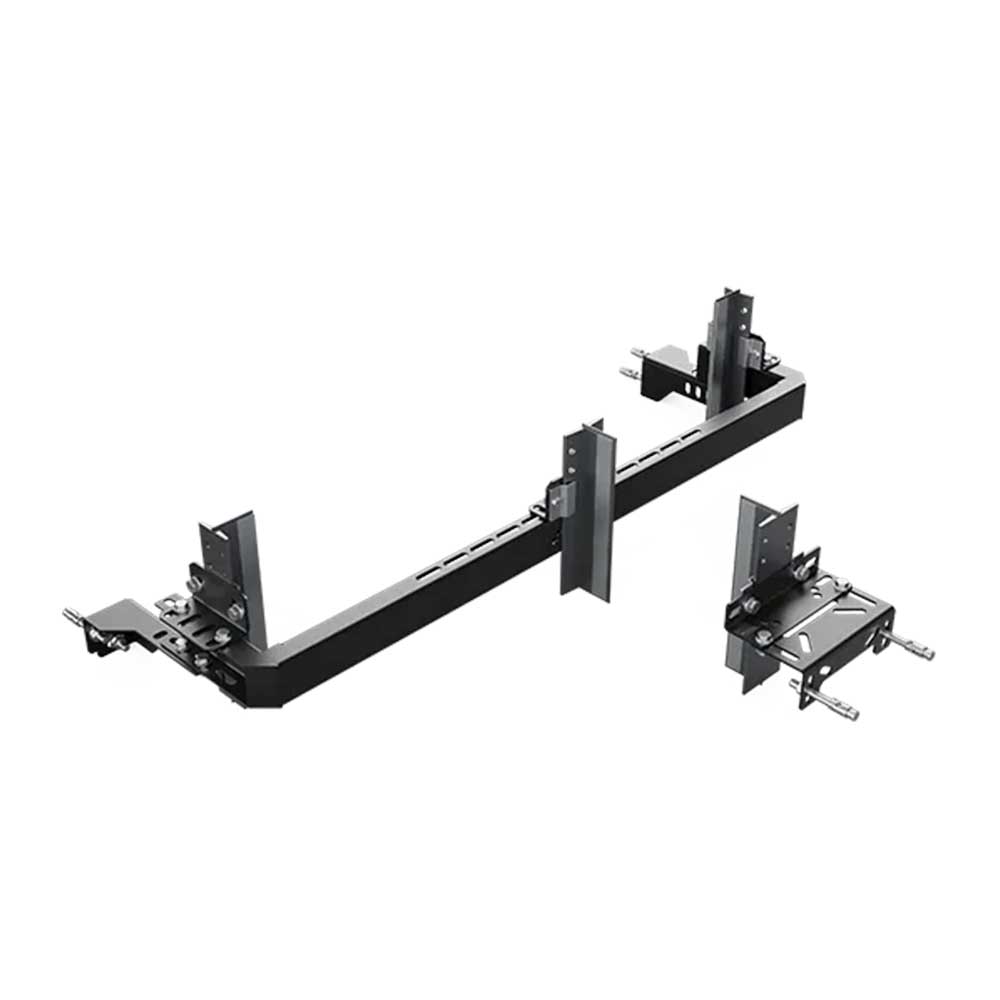
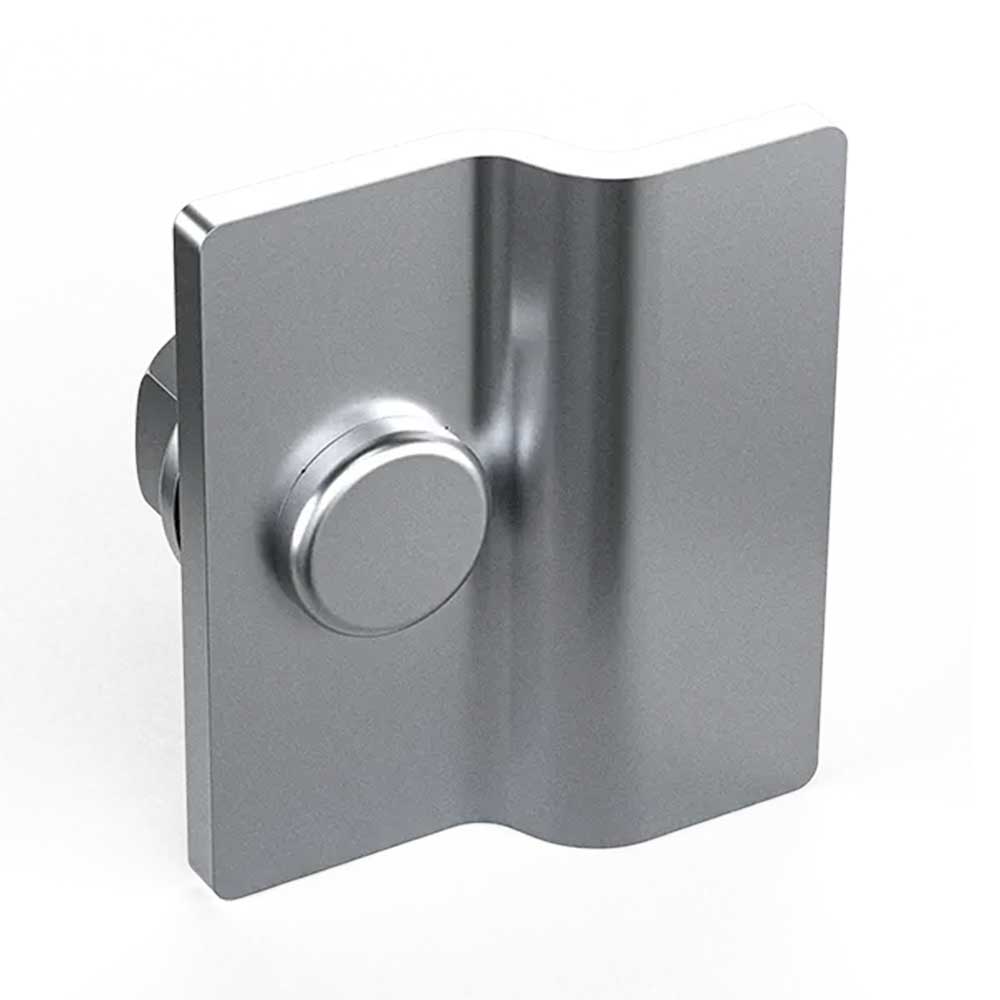
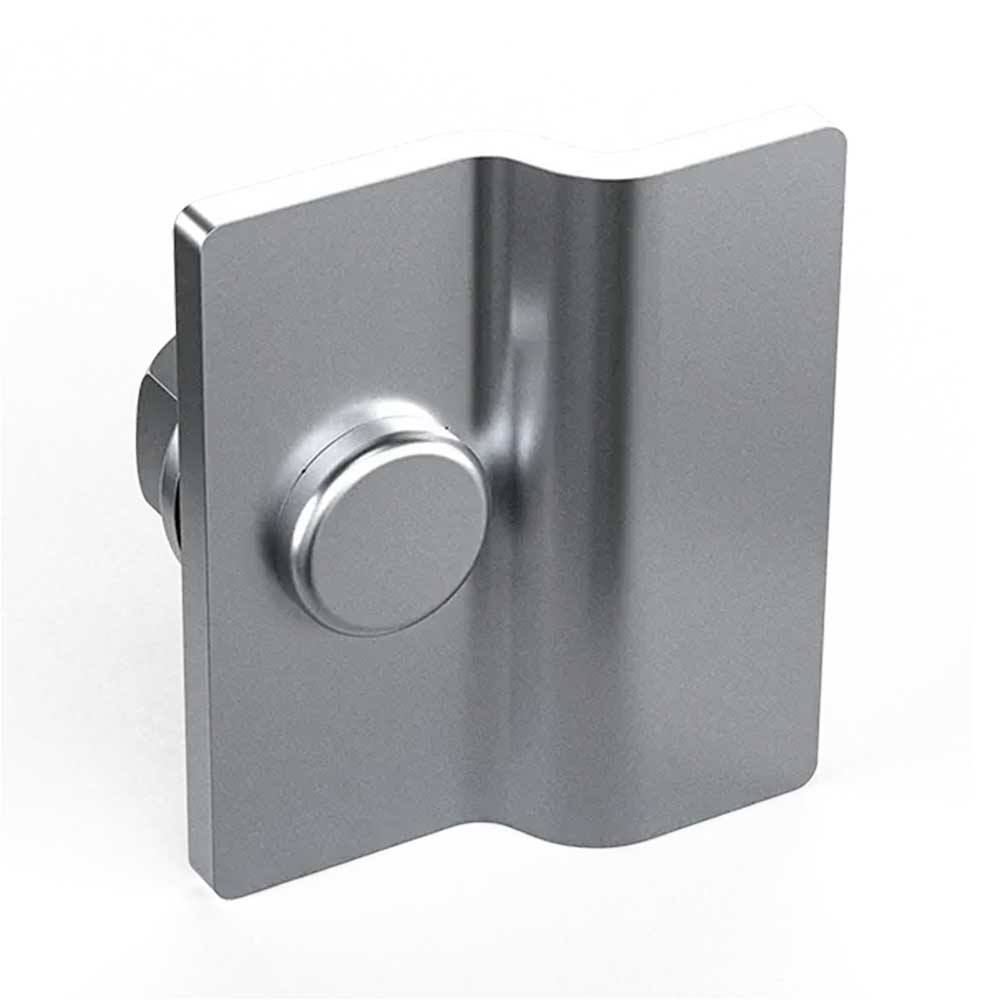
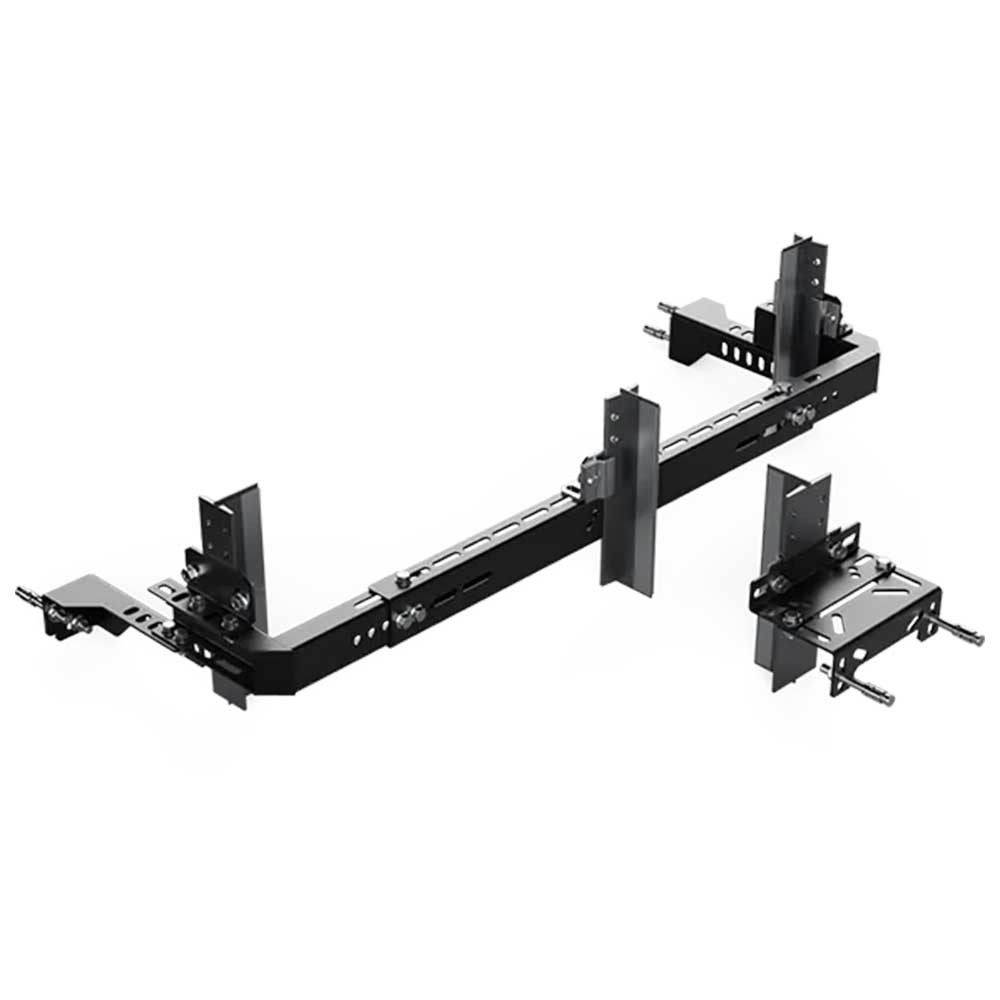
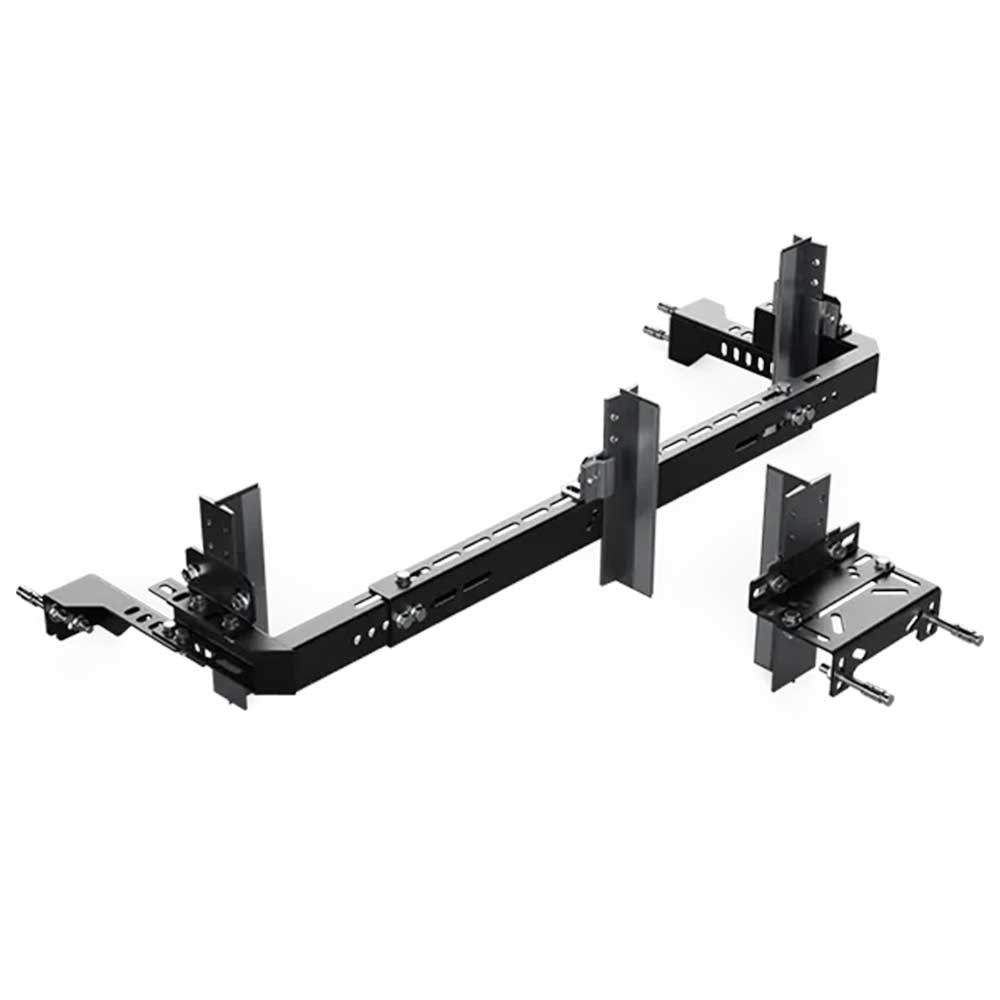
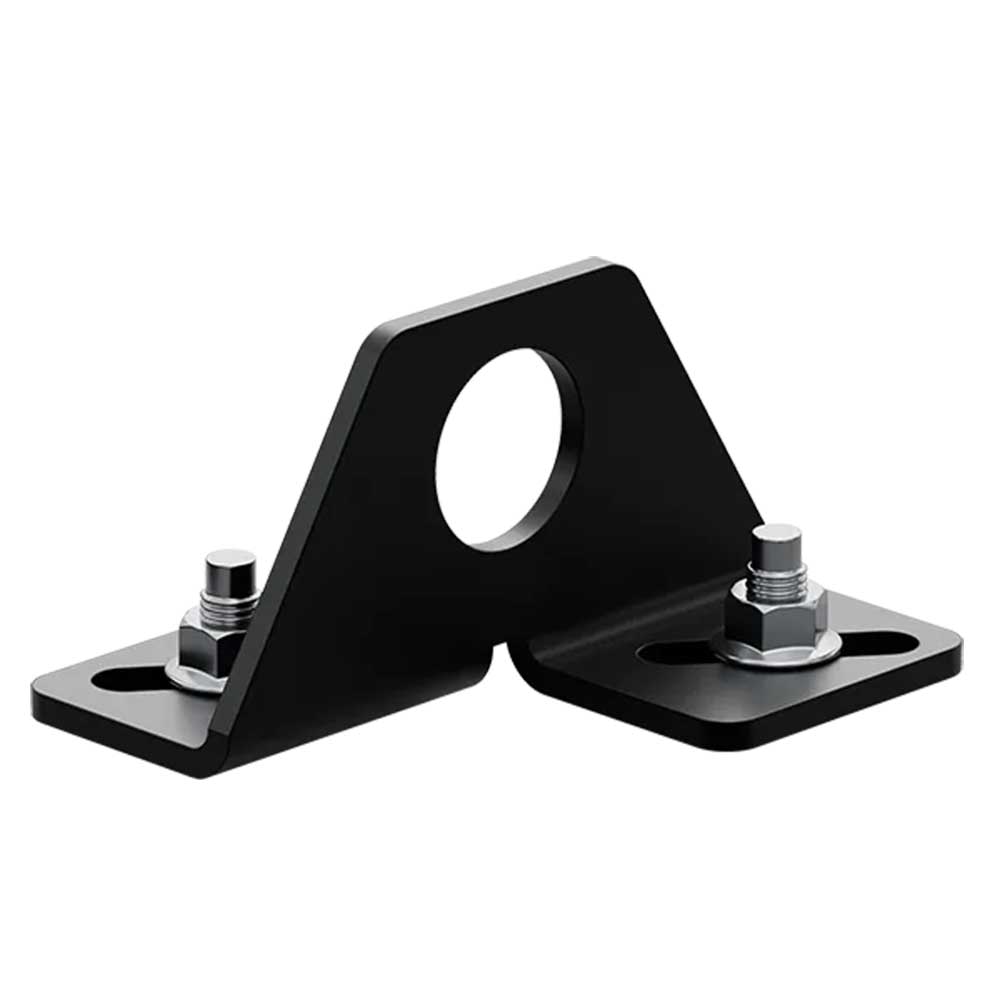
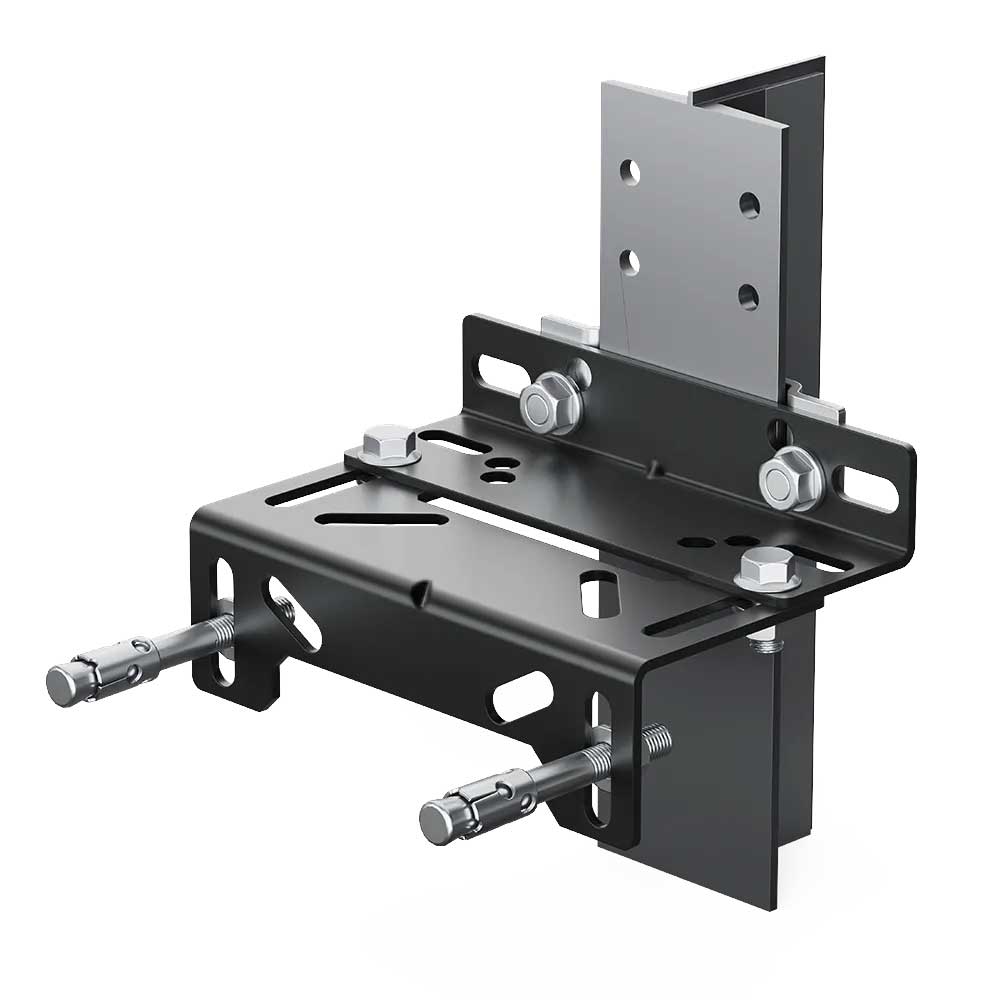
T50-T70 Square Forged Guide Rail Clip is a square forged guide-rail clip used to secure an elevator guide rail to a bracket or mounting surface. In elevator modernization, this type of component should not be treated as a generic part selected only because it resembles the item being replaced. Shaft components working directly with ropes, belts or guide rails require connection geometry, load path, mounting surface and the existing system arrangement to be evaluated together. Size or model references in the product name are retained to distinguish variants, while exact project compatibility must be confirmed using site measurements and current technical documentation.
Selection should specifically verify the T50-T70 or T89-T90 reference, clip and rail-foot geometry, bolt/washer/nut arrangement, clip seating surface, bracket plane and rail alignment. Termination and guide-rail fixing parts that look similar may use different size ranges, fixing geometry, surface conditions or production revisions. Interchangeability must therefore not be decided from a photograph, general body shape or approximate dimensions alone. Before dismantling, record the existing component orientation, attachment points, relationship to neighboring parts and actual installed position.
Modernization, Installation and System Compatibility
Before installation, inspect the supporting surface, pin/bolt/nut arrangement, alignment of the associated rope, belt or guide-rail line and all surrounding mechanical clearances. T50-T70 Square Forged Guide Rail Clip should not be forced into position, and fixing holes or working surfaces should not be altered without an approved engineering basis. Rope and belt terminations must follow the relevant installation procedure, while guide-rail clips must seat correctly against both the rail foot and bracket surface.
For rope or belt end connections, the load line should remain properly aligned so that the termination is not subjected to unintended bending or side loading, and neighboring terminations should form a consistent arrangement. For guide-rail clips, rail verticality, joints, bracket spacing, fixing tightness and correct seating of the rail foot under the clip should be checked together. Visual inspection alone is not sufficient after installation; measurements and component-appropriate mechanical checks should be performed.
Commissioning, Maintenance and Project Verification
During commissioning, observe the related system throughout normal operating movement and inspect the connection for looseness, slip, rotation, unintended flexing, metal-to-metal rubbing, misalignment or contact with adjacent components. Terminations should be rechecked for seating and load-line alignment, while guide-rail clips should be reviewed for their behavior on the bracket and rail.
Periodic maintenance should inspect T50-T70 Square Forged Guide Rail Clip together with pins, nuts, bolts, washers, springs, wedges, body surfaces or guide-rail fixing points as applicable. If looseness, corrosion, cracking, deformation, wear, surface crushing, rope/belt damage or a change in rail alignment is found, investigate the complete connection geometry and load path instead of replacing only the visibly affected part.
Exact load capacity, allowable rope or belt dimensions, material grade, heat treatment, surface coating, bolt torque, pin dimensions, spring characteristics, certification, safety factor and compatibility with a specific elevator model must not be inferred from photographs or product names. These values should be confirmed from current documentation for the supplied revision, the project calculation and actual site measurements.
Project and maintenance records should document the product variant, old and new connection arrangement, measurement results, installation date and commissioning check. Recording the configuration of termination or rail-fixing components used in the same system improves traceability and makes future maintenance, troubleshooting and correct spare-part selection more reliable.