100 W Door Transformer
Elevator Door System Component
KPS-100-W-TRAFO-294472C 100 W Door Transformer
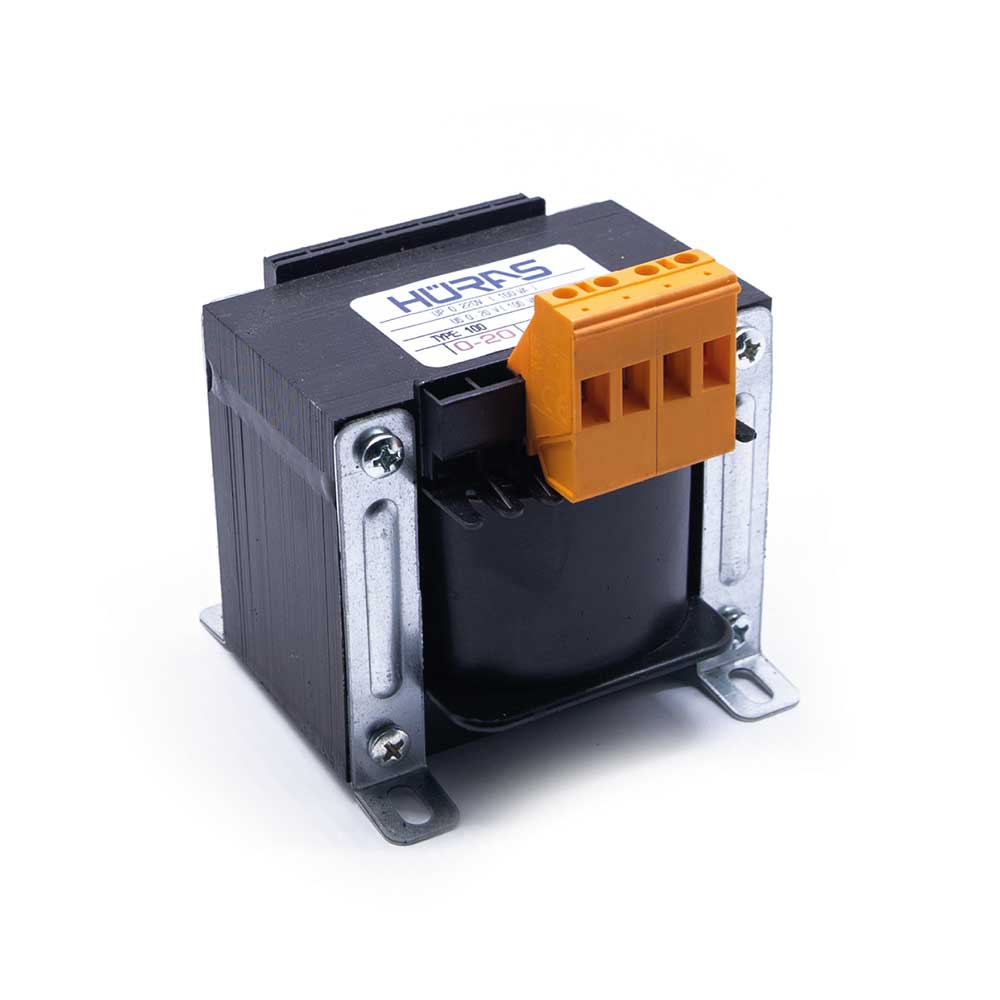
100 W Door Transformer
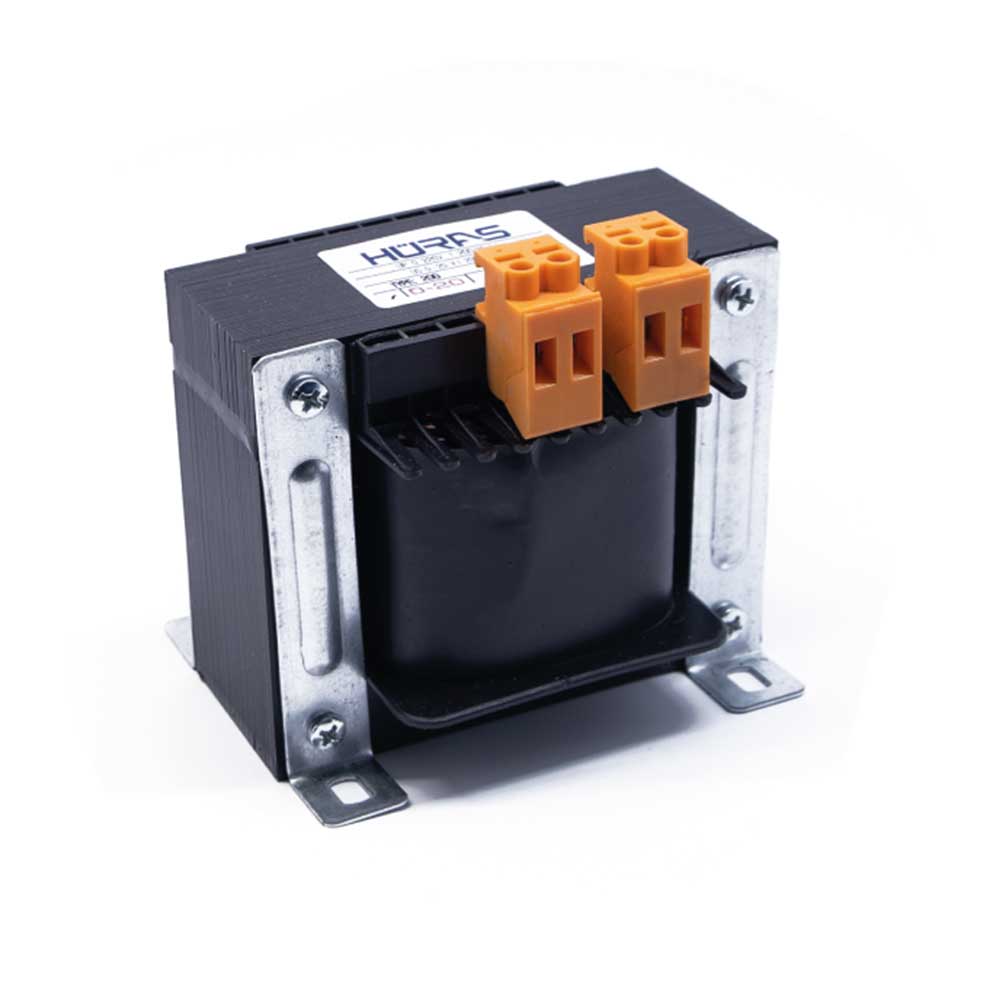
100 W Door Transformer is an electrical/electronic component used for control, power, interface or signal functions within the elevator door system. In modernization or maintenance work, it should not be treated as an isolated replacement selected only because it occupies the same location as the old part. Door opening and closing geometry, the existing mechanism, cabin or landing-door arrangement, fixing points and the relevant electrical or mechanical interfaces should be considered together. The product name and photograph identify the general component family, but exact compatibility must be verified using site measurements and current technical information for the installed door system.
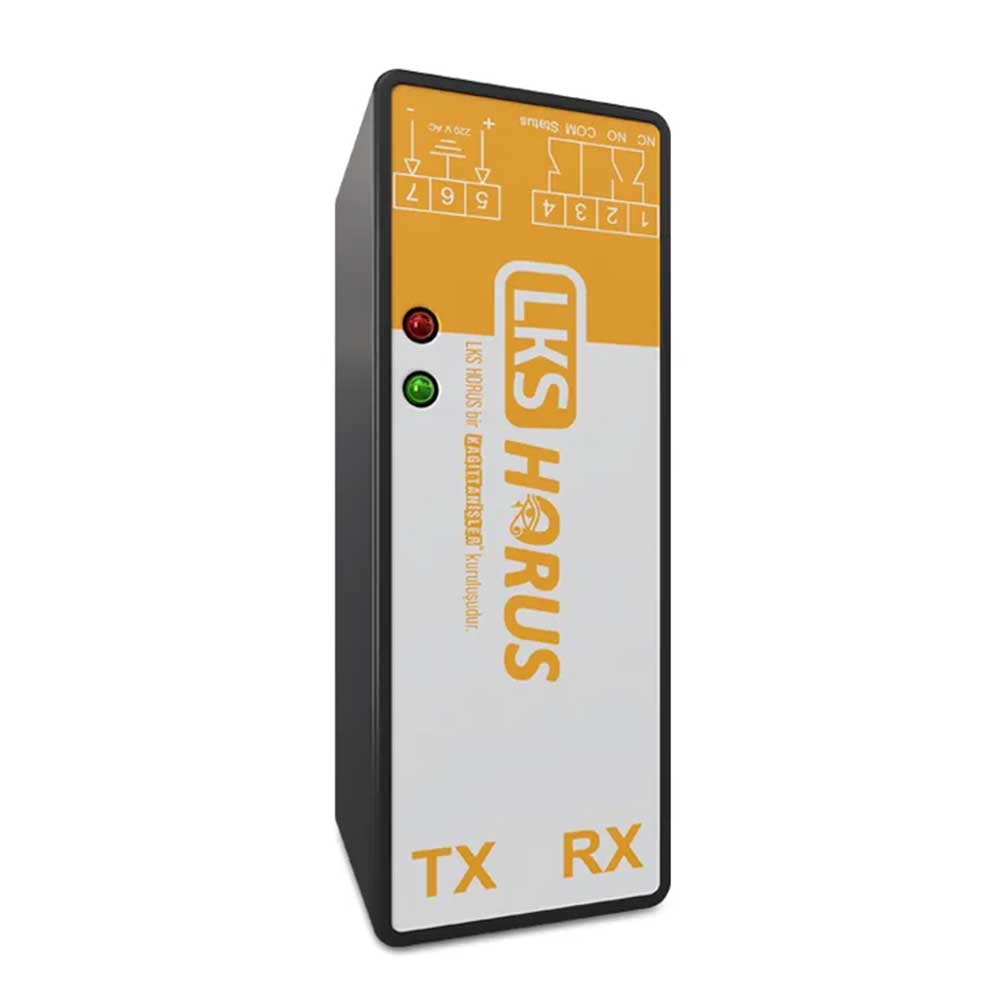
Product selection should specifically verify supply ratings, terminal/connector arrangement, pinout, controller revision, wiring and mounting space. Components from the same family may look similar while using different mounting dimensions, direction of operation, connectors, working travel or hardware revisions. Appearance, color or body shape alone is therefore not sufficient for interchangeability. Before dismantling, record the existing part code, position, fixing method, connections and operating conditions and compare them with the proposed replacement.
Modernization, Compatibility and Installation
Before installation, inspect the overall condition of the door mechanism, fasteners, cables and plugs, freedom of moving parts, panel/hanger arrangement, sill and guidance elements as appropriate for the component type. Mechanical parts should be installed without forcing alignment or creating side loads; electrical parts require pinout, supply and circuit connections to be checked from current documentation before energizing. Avoid interference with neighboring parts, trapped cables, sharp-edge contact or an installation that blocks future service access.
A replacement component can change how the existing door system behaves. Depending on the product type, verify free movement of door panels, fully open and fully closed positions, lock or hook operation, motor and transmission behavior, sensor/contact points and functions associated with the door controller. Adjustable elements should not be set blindly; initial settings should be based on current system documentation and observed site behavior.
Commissioning, Maintenance and Project Verification
During commissioning, operate the door through multiple complete cycles and observe the point where this component functions. Check for abnormal noise, vibration, binding, hard impact, rubbing, looseness, electrical interruption or irregular motion. For electrical/electronic products, inspect terminal and connection security; for mechanical parts, verify alignment, fixing integrity and free movement. Any condition that affects reliable closing or locking should be corrected before normal operation.
Periodic maintenance should examine 100 W Door Transformer together with the neighboring components that directly interact with it. Depending on the component, look for wear, contamination, looseness, deformation, oxidation, cable or connector damage, bearing issues and deterioration of working surfaces. If a fault appears, investigate overall door adjustment, alignment, movement resistance and associated connections instead of replacing one part without identifying the root cause.
Exact dimensions, voltage, power, current, torque, speed, stroke, material, pinout, certification, door opening dimensions or compatibility with a specific model must not be inferred from a photograph or name. These values should be confirmed using current technical documentation for the supplied revision and actual site measurements. Recording the old/new part code, checks performed and commissioning result also improves traceability for future maintenance and spare-part selection.