Elevator Door Top Damper 03
Door Component
KAPI-USTU-AMORTISORU-03 Elevator Door Top Damper 03
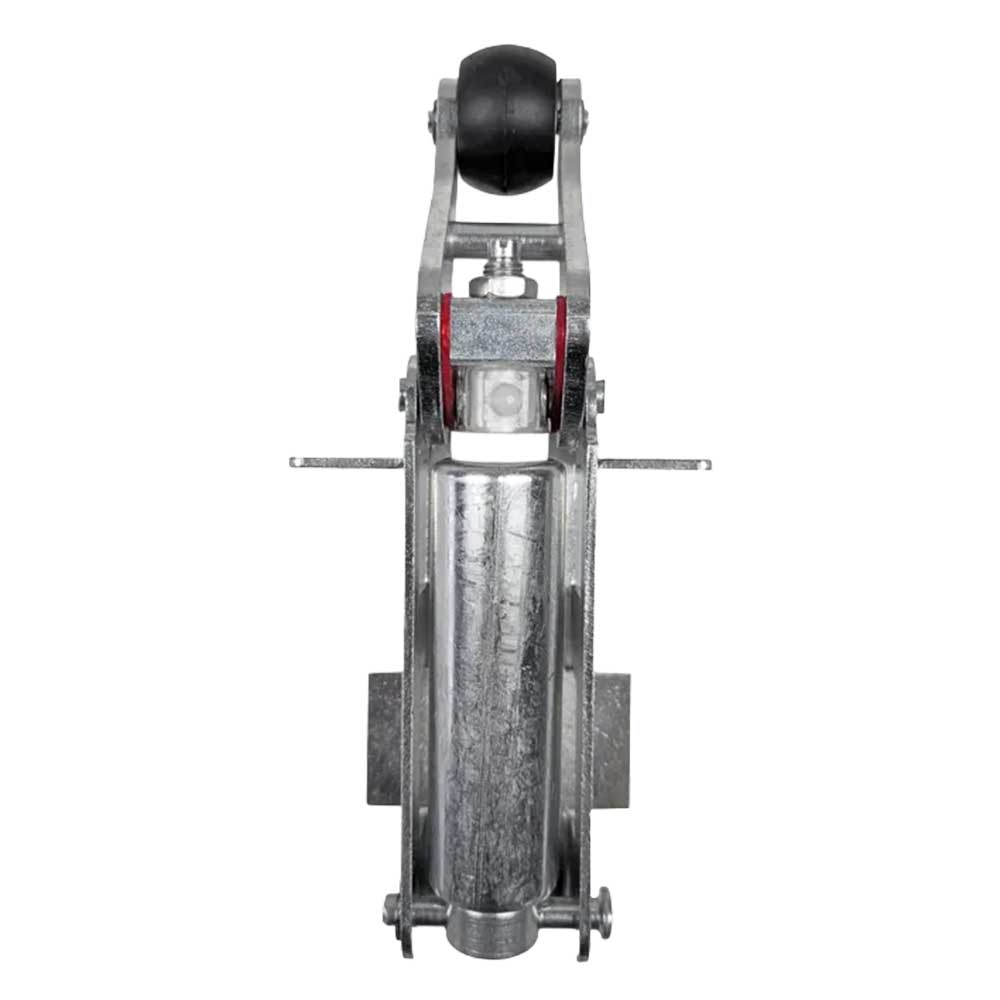
Elevator Door Top Damper 03
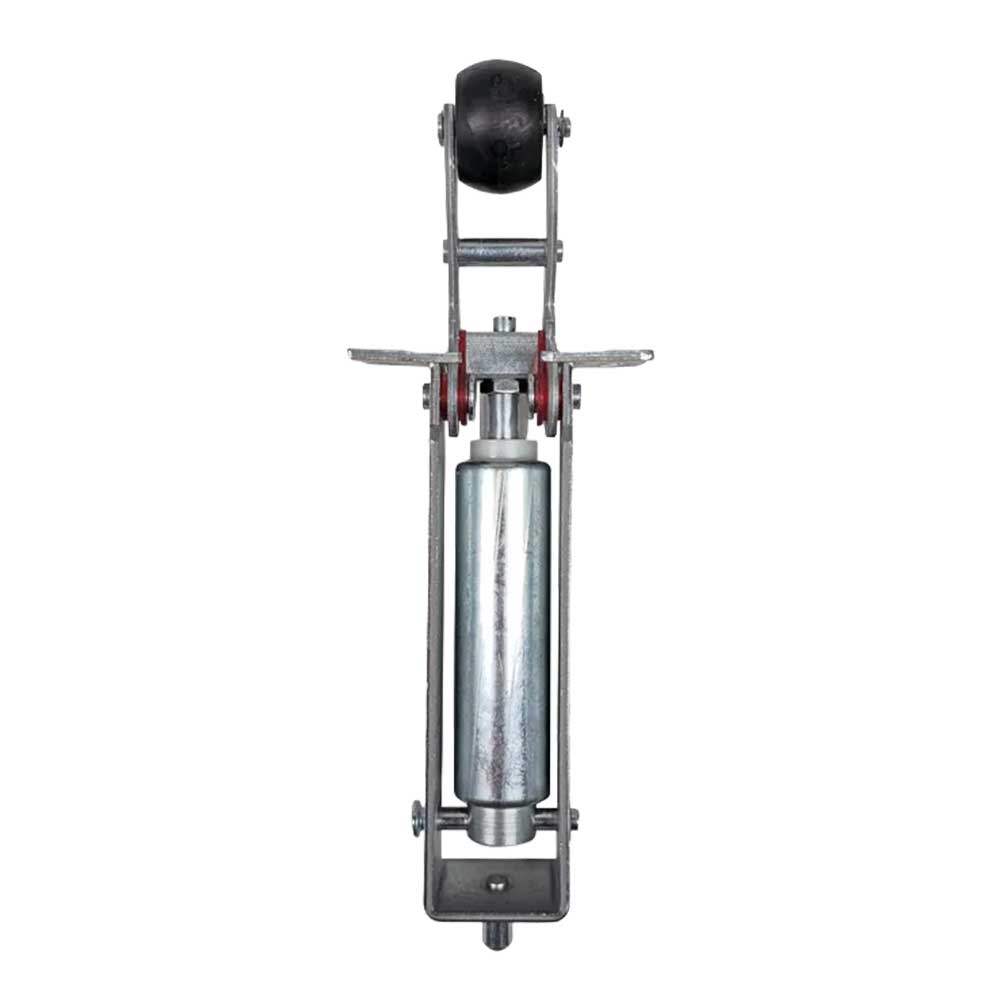
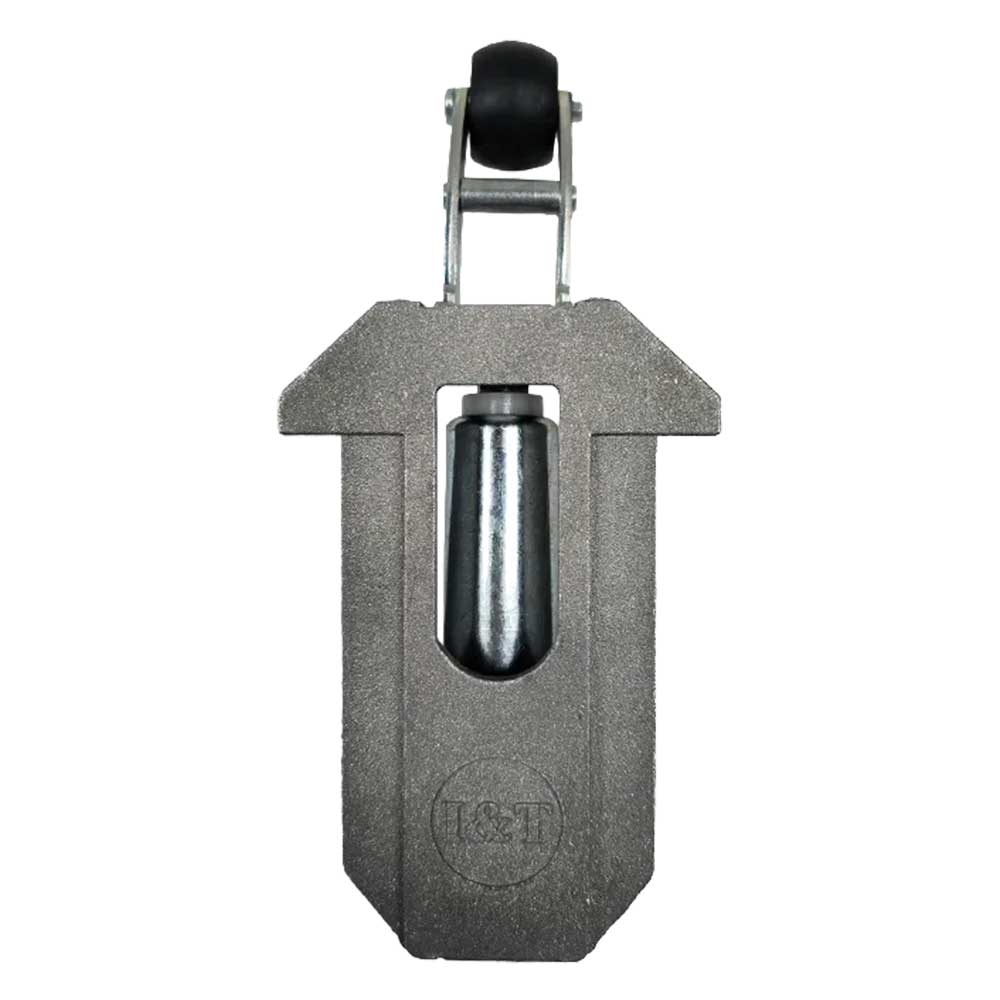
Elevator Door Top Damper 03 is used in elevator door systems to make the final stage of movement more controlled and to help reduce the effect of abrupt mechanical impact. Correct operation depends on more than physical fit; door kinematics, body orientation, mounting position, working travel and the mechanical area influenced by the damper must be evaluated together. Visually similar parts may use different stroke or fixing geometry, so selection should not rely on appearance alone.
Before removing the existing damper, document its fixing points, interaction through opening and closing cycles, surrounding rollers, links, locking parts and available service space. The replacement must not restrict free door travel, create unwanted friction or prevent the door from reaching fully open and fully closed positions. Mounting surface condition and mechanical alignment are important for long-term operation.
Modernization, Installation and Compatibility
Forcing fixing points into position, installing the body at an angle or misaligning moving elements may prevent the damper from operating correctly. Clearances around the door panel, lock, rollers, linkage and other door components should be checked throughout the complete cycle. The point at which the damper becomes effective and its direction of action should be observed under real operating conditions.
During commissioning, operate the door through several complete cycles and check for abnormal noise, binding, hard impact, rubbing, rebound or any effect on the locking mechanism. An installation that prevents required final positions should not be accepted. Exact operating force, stroke, fixing dimensions and material properties must not be inferred from photographs and should be confirmed from current technical data for the supplied revision.
Maintenance, Motion Control and Project Verification
Periodic maintenance should include the damper body, fasteners, moving surfaces and mounting points for looseness, deformation, wear, contamination and mechanical damage. Door misalignment or wear in related parts can increase loading on the damper. If a problem is found, overall door motion, locks, rollers and linkages should be assessed rather than replacing the damper without diagnosis.
Exact dimensions, stroke, force characteristics, connection geometry and compatibility of Elevator Door Top Damper 03 with specific door models should be confirmed using current technical documentation and actual site measurements. This supports correct selection, smoother door motion, easier service and long-term compatibility with the complete elevator door system.