HORUS Full-Height Elevator Light Curtain
Electrical Component
HORUS-LIGHT-CURTAIN HORUS Full-Height Elevator Light Curtain
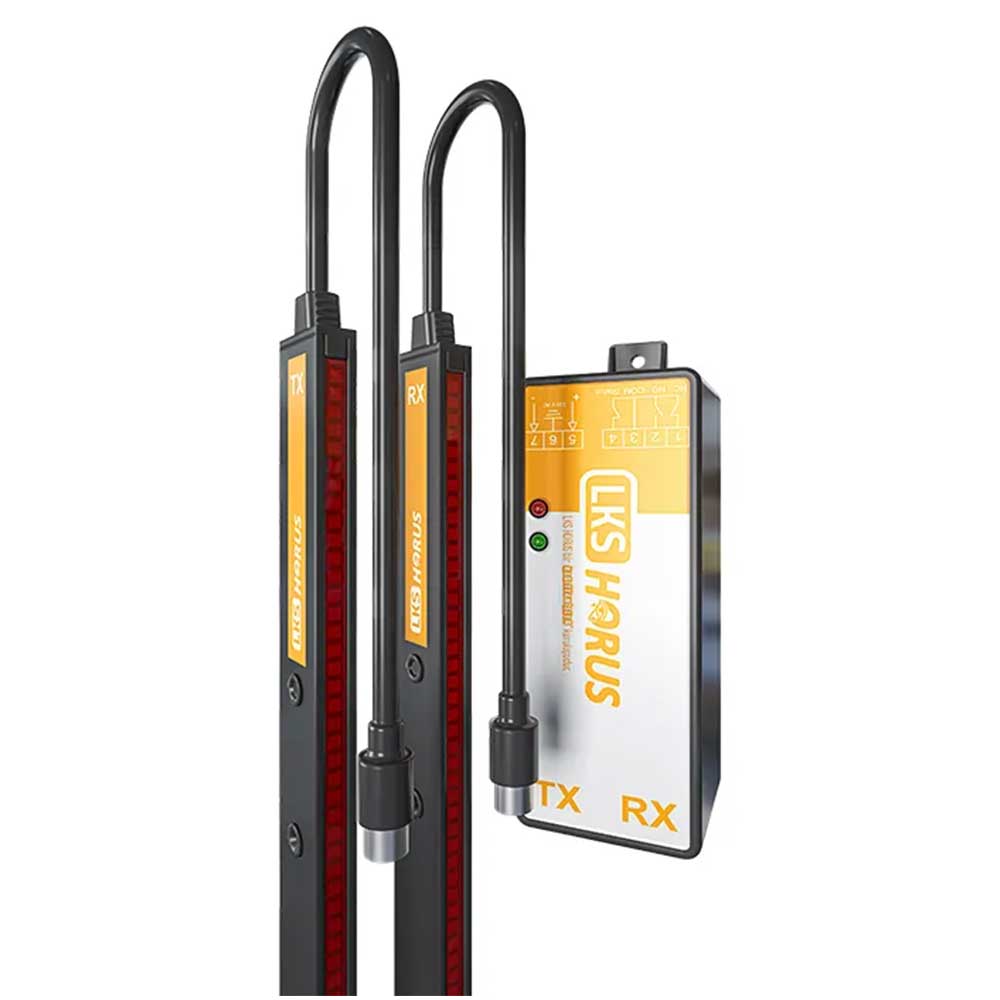
HORUS Full-Height Elevator Light Curtain
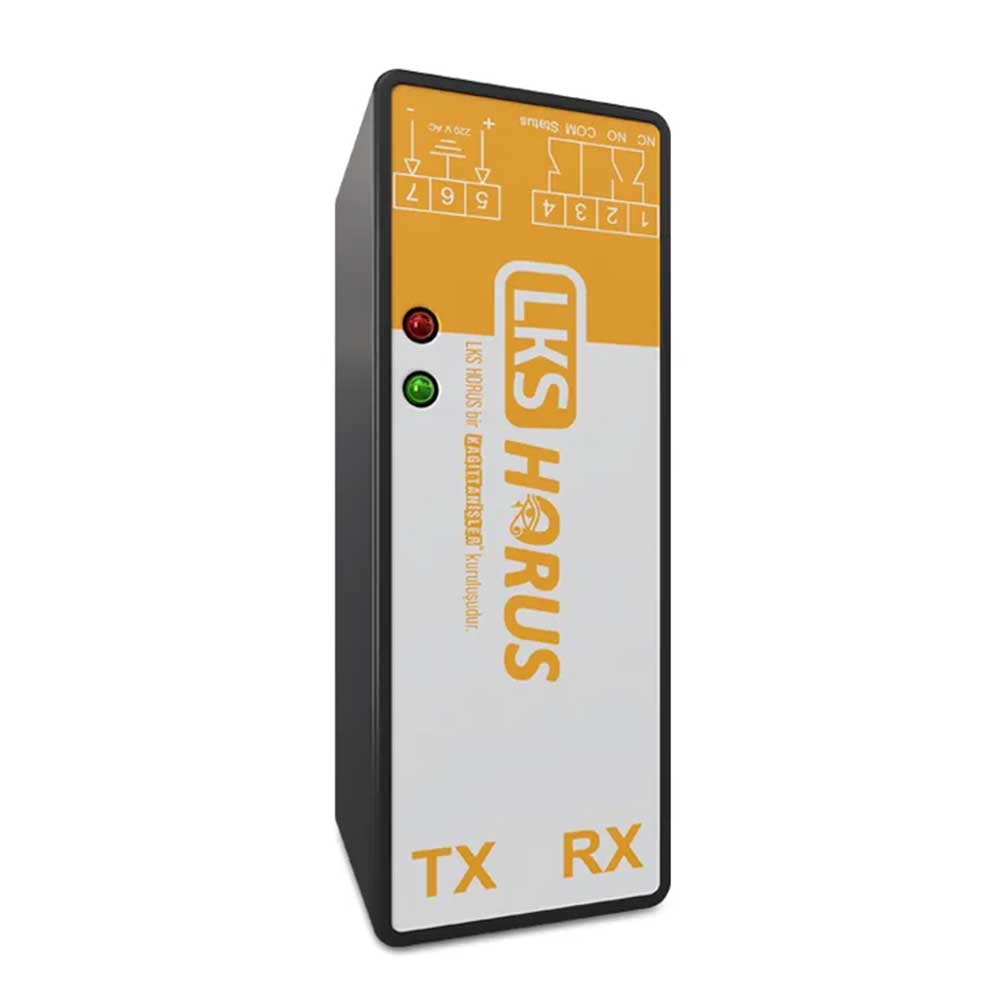
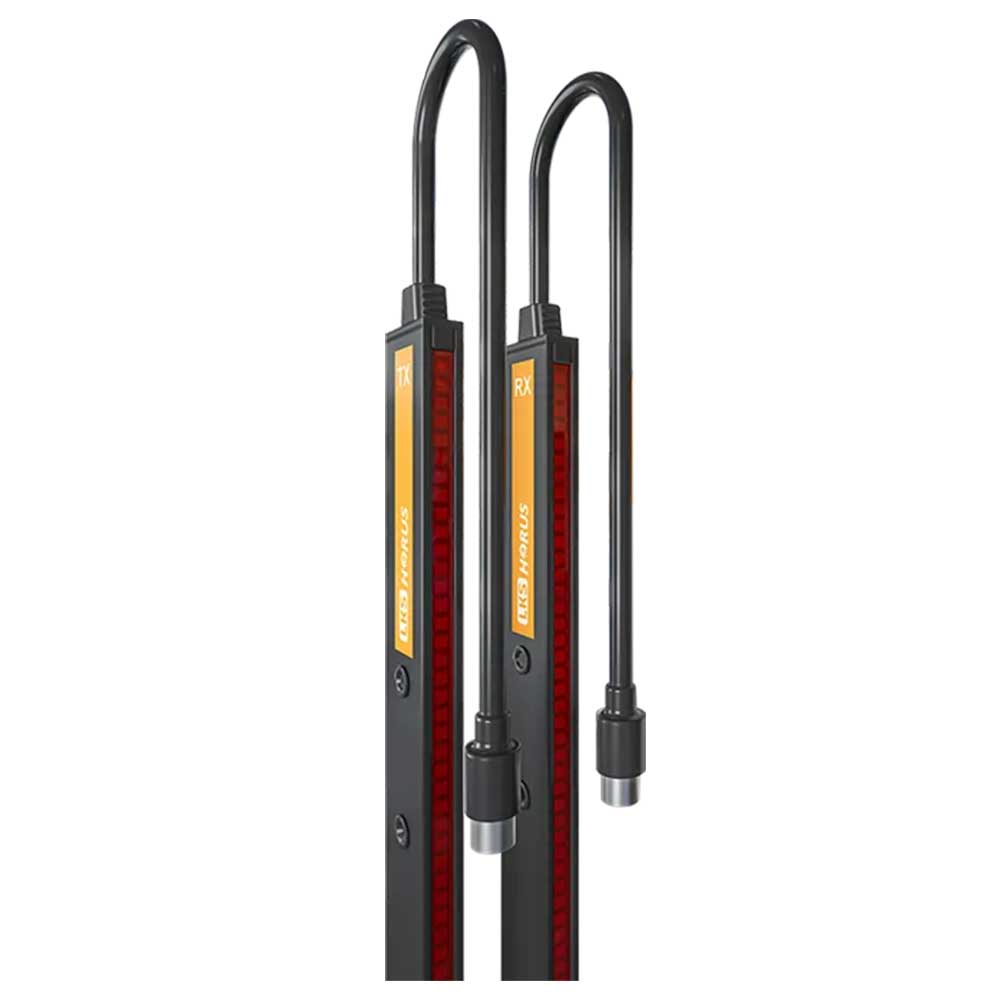
HORUS Full-Height Elevator Light Curtain is a full-height elevator door safety component that uses opposing TX and RX sensor profiles to provide multi-point obstacle detection across the door opening. In elevator door-safety modernization, the objective is not simply to replace an old part with a new one; door movement, obstacle-detection logic, sensor connections and the existing control infrastructure must be assessed as one system. In practice, it is used as an elevator door light curtain that detects a passenger, object or other obstruction in the entrance while the car door is closing and provides the signal required by the door control system to stop or reopen the door. This makes the component relevant when renewing ageing door-safety equipment, correcting unreliable photocell operation or rebuilding a clean light-curtain interface in a modernization project.
The product architecture centres on opposing transmitter (TX) and receiver (RX) sensor profiles together with their connection and control infrastructure. Physical fit alone is not enough for a correct retrofit. Before installation, technicians should verify sensor position across the entrance, TX/RX orientation, cable routing, control-unit compatibility, door-operator input logic and the electrical condition of the existing installation. A mismatch in an elevator photocell, light curtain or door safety sensor circuit can lead to intermittent detection, nuisance reopening or unexpected door behaviour, so existing wiring and interfaces should be checked rather than assumed to be compatible.
Modernization, Integration and Installation
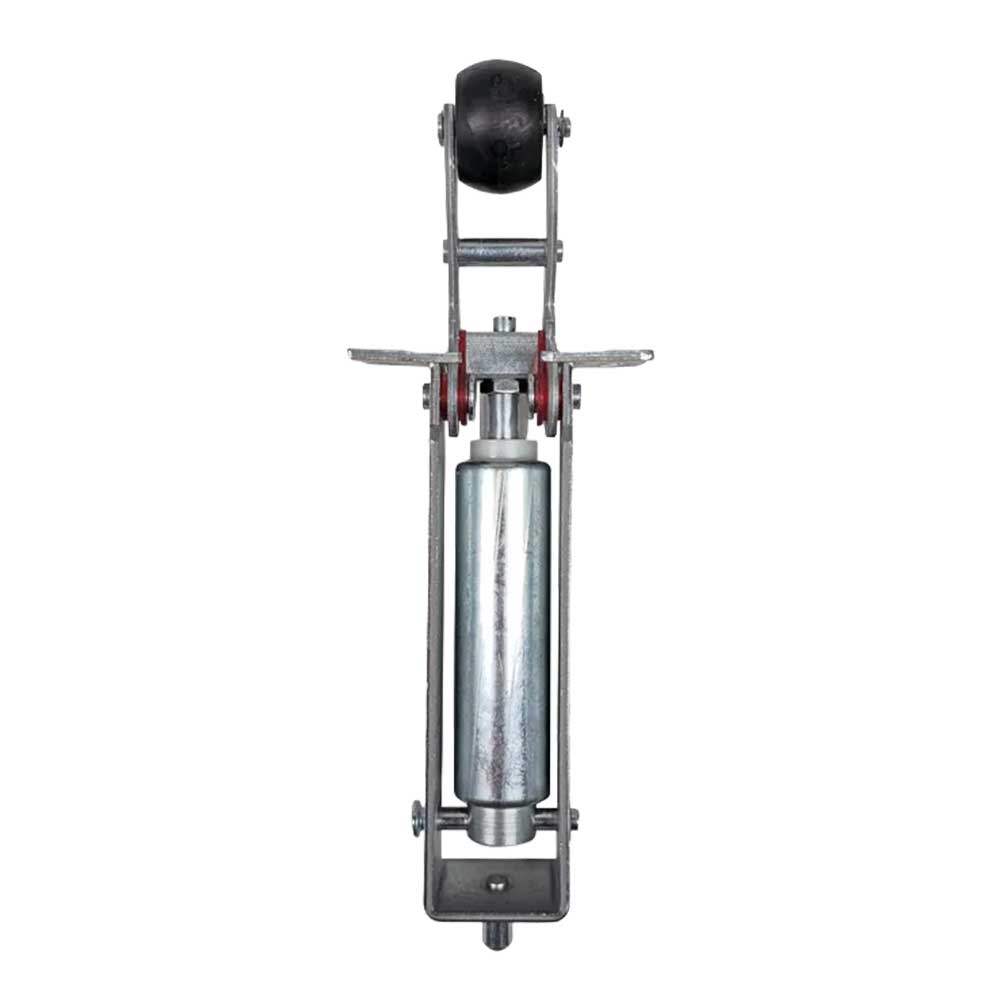
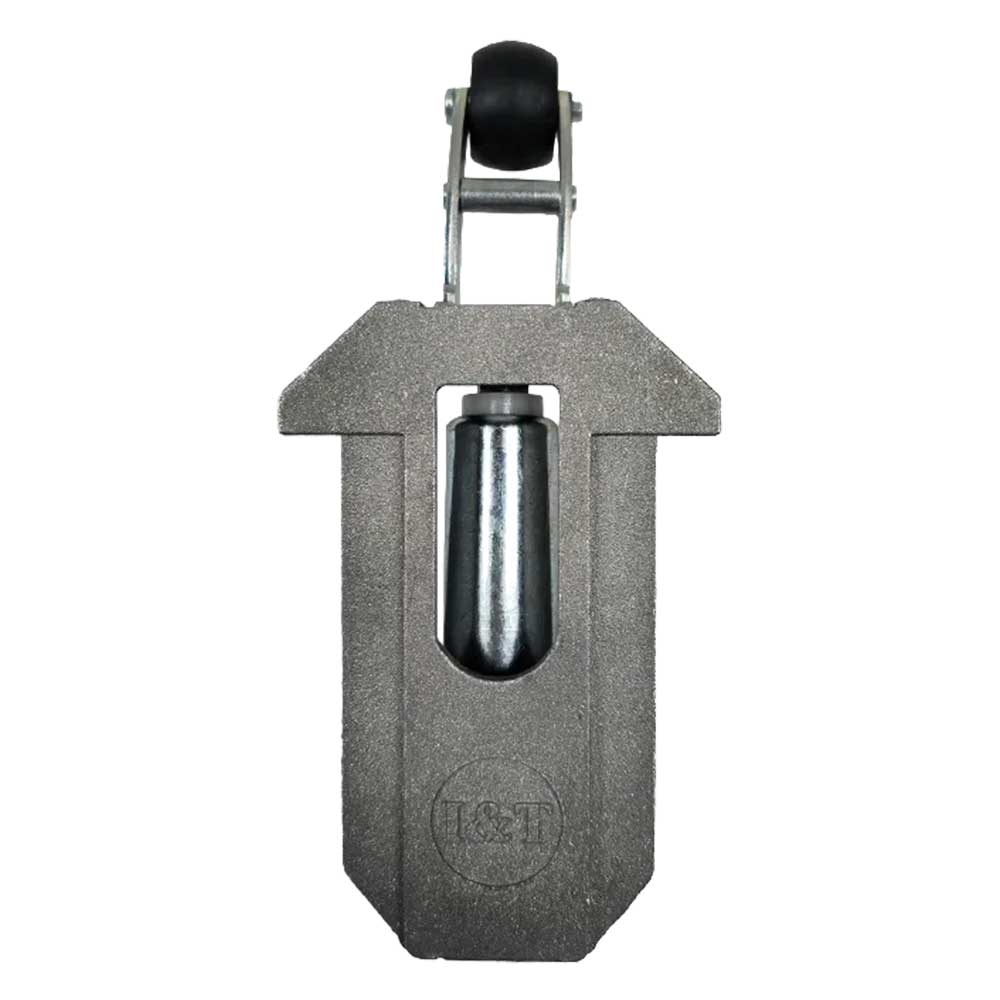
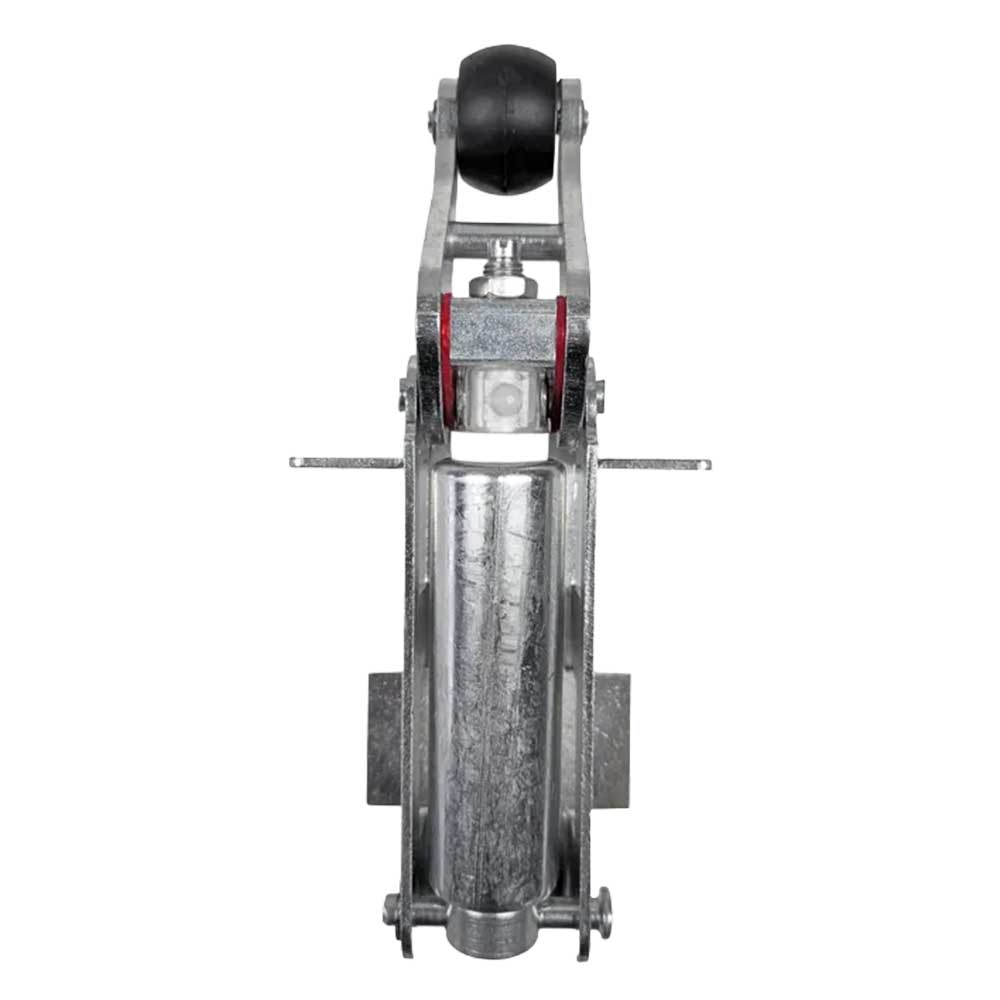
Installation planning should consider door-leaf movement, cable travel, mechanical retention of the sensor or control component and future service access. Cables should be routed so that they are not pinched, rubbed on sharp edges or placed under unnecessary tension as the door moves. The signal relationship between the light curtain and the door operator must be verified against the actual wiring diagram and input/output logic. Supply voltage, pinout, output type and other exact electrical data should never be inferred from an image; current technical documentation and site measurements should be used.
Commissioning should include more than a single open-and-close test. Controlled obstruction tests should be performed at several positions in the doorway and the expected safe door response should be observed. TX/RX orientation and connectors must be correct, and any status indicators on the control unit should behave consistently between normal operation and an obstruction condition. A successful modernization delivers an elevator door photocell system that is stable in daily service, straightforward to inspect and correctly integrated with the existing door operator.
Maintenance, Fault Checks and Project Verification
Periodic maintenance should cover cleanliness of the sensor faces, profile alignment, mechanical condition of cables and connectors, connection security and functional obstacle-detection tests. Troubleshooting should not focus on one component in isolation; the sensor profiles, cable set, control unit, door-operator input and power path should be considered together. In intermittent faults, vibration, door movement, a loose connector or cable strain can imitate an electrical failure. Routine cleaning, secure cable management and connection checks help maintain reliable operation of the elevator light curtain and door reopening system.
When specifying HORUS Full-Height Elevator Light Curtain, priority should be given to project requirements, the existing door mechanism, available mounting space and compatibility with the other light-curtain components. Exact dimensions, operating voltage, detection range, beam count, response time, IP rating, certification or standards compliance must not be guessed from the product name or photographs. Those values should be confirmed from the current technical data for the supplied revision. This approach creates useful content for searches such as elevator light curtain, elevator photocell, full-height door sensor, lift door safety sensor and elevator door reopening device without replacing engineering verification.