
50 Series Guide Shoe Plastic Insert
Car and Counterweight Component
MOD-PAT-007 50 Series Guide Shoe Plastic Insert
50 Series Guide Shoe Plastic Insert
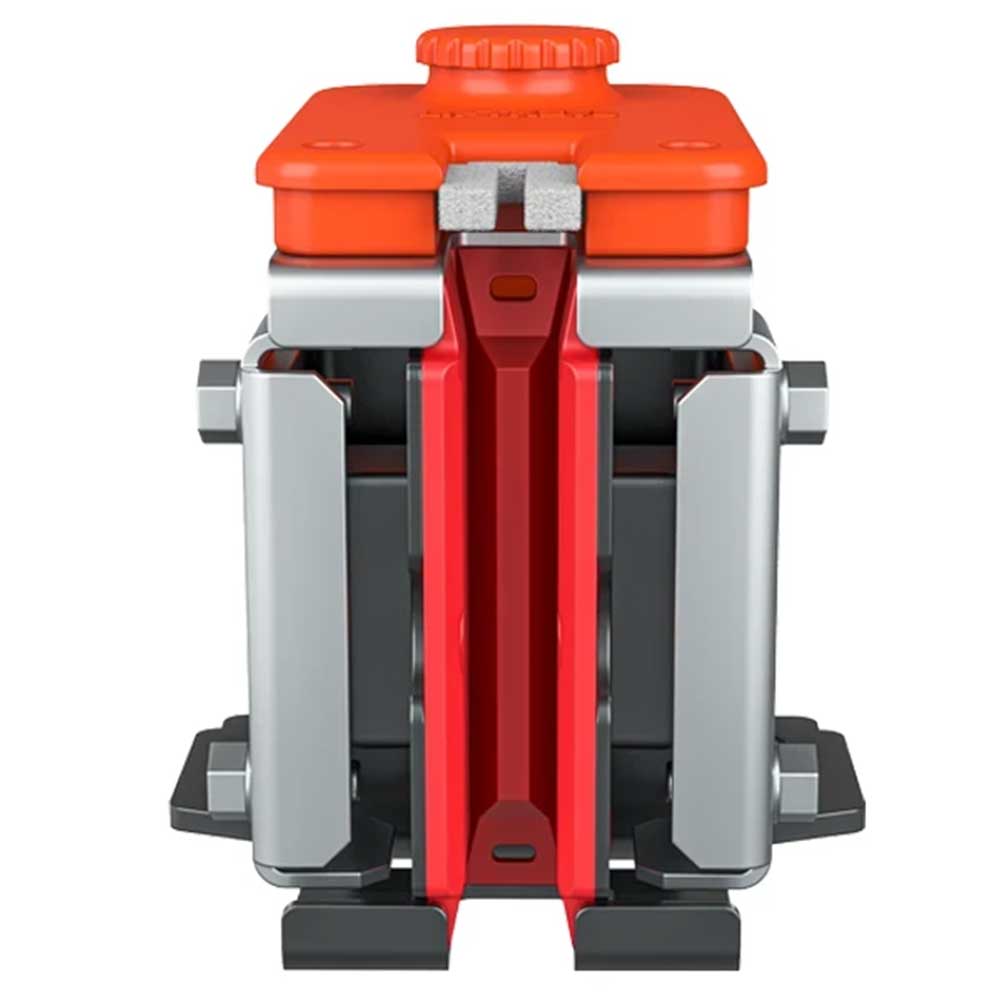
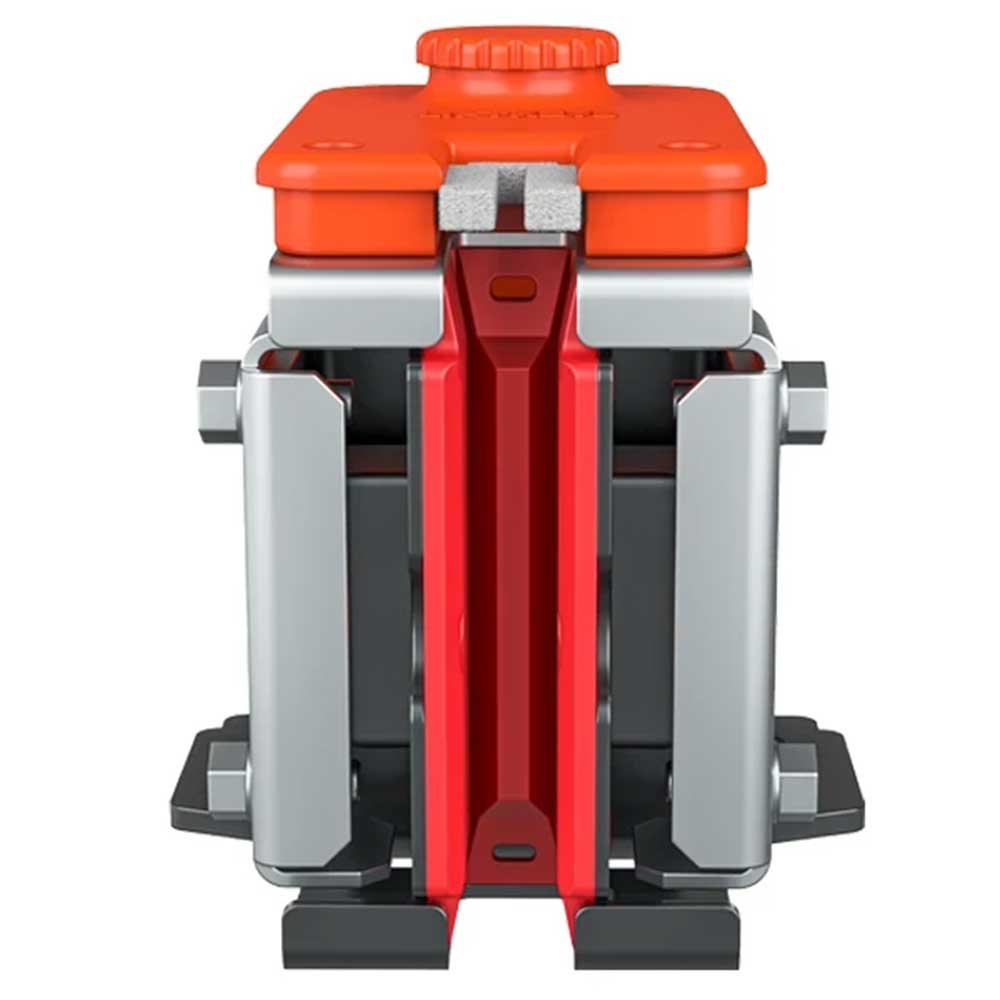
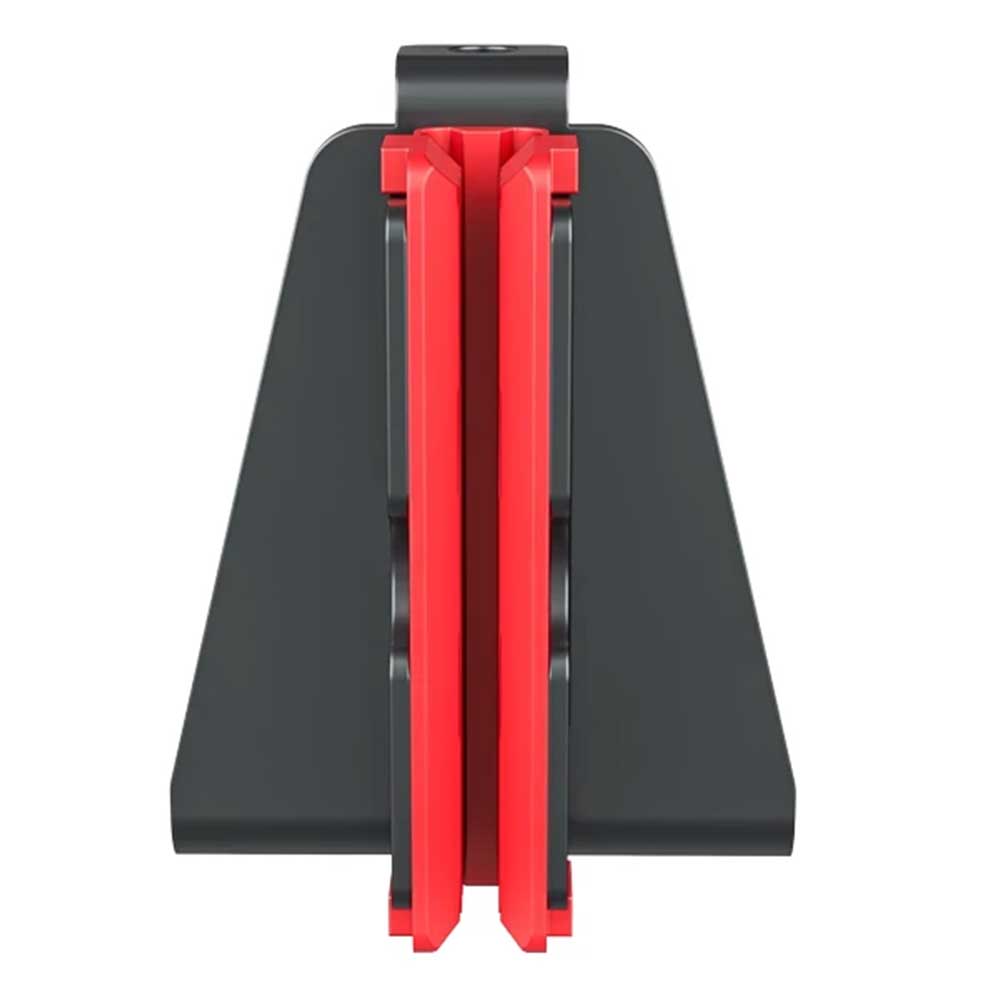
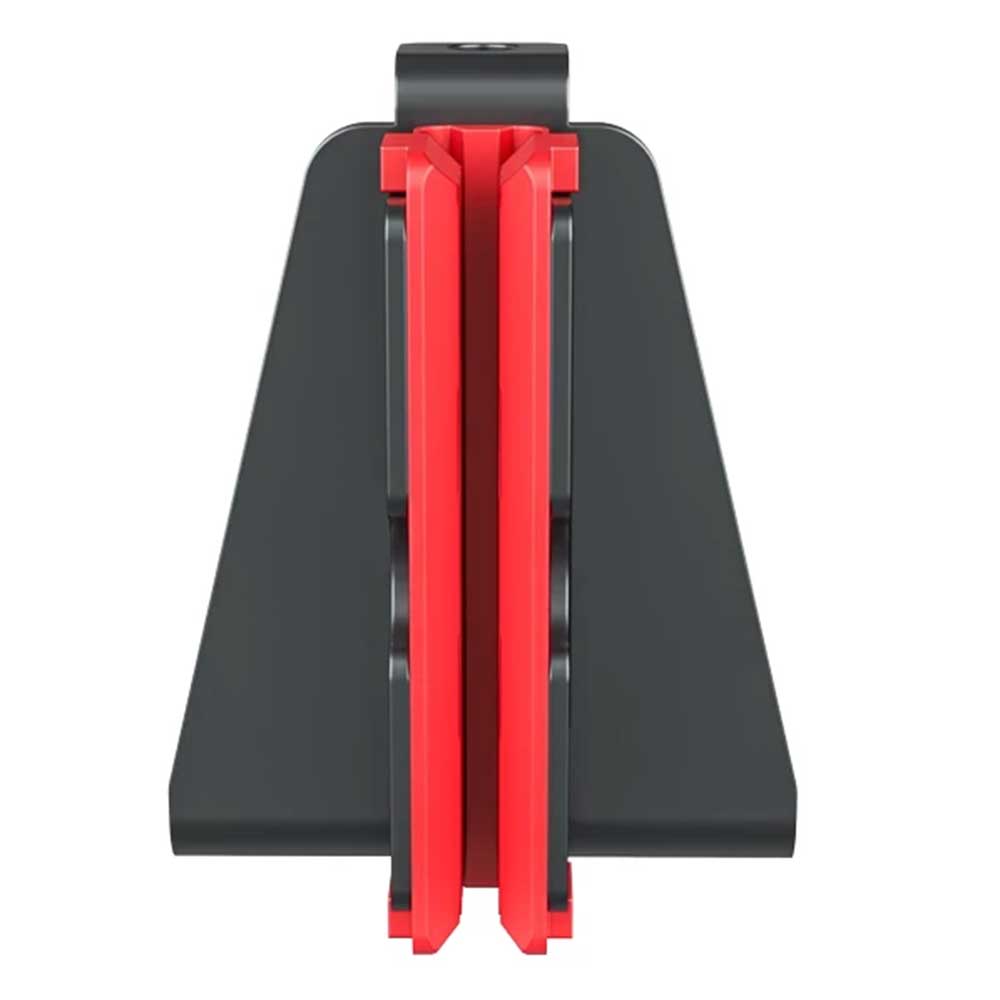
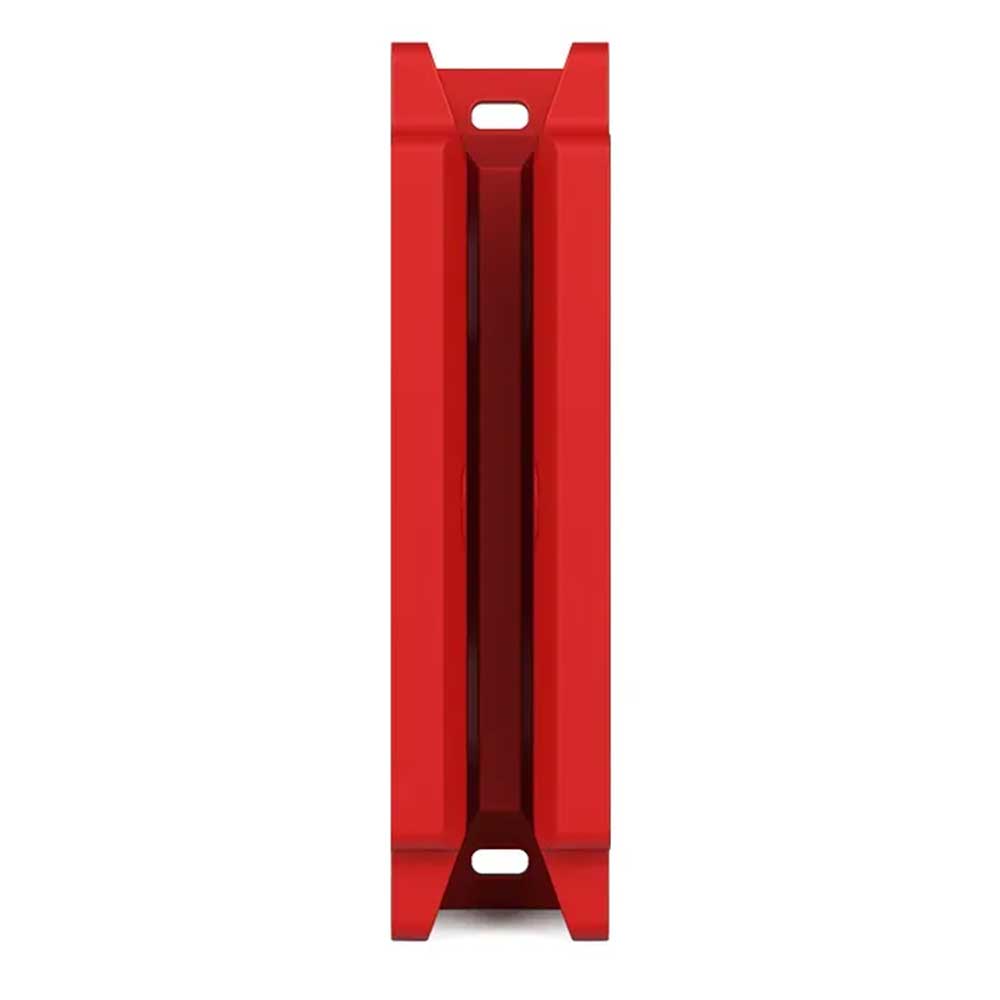
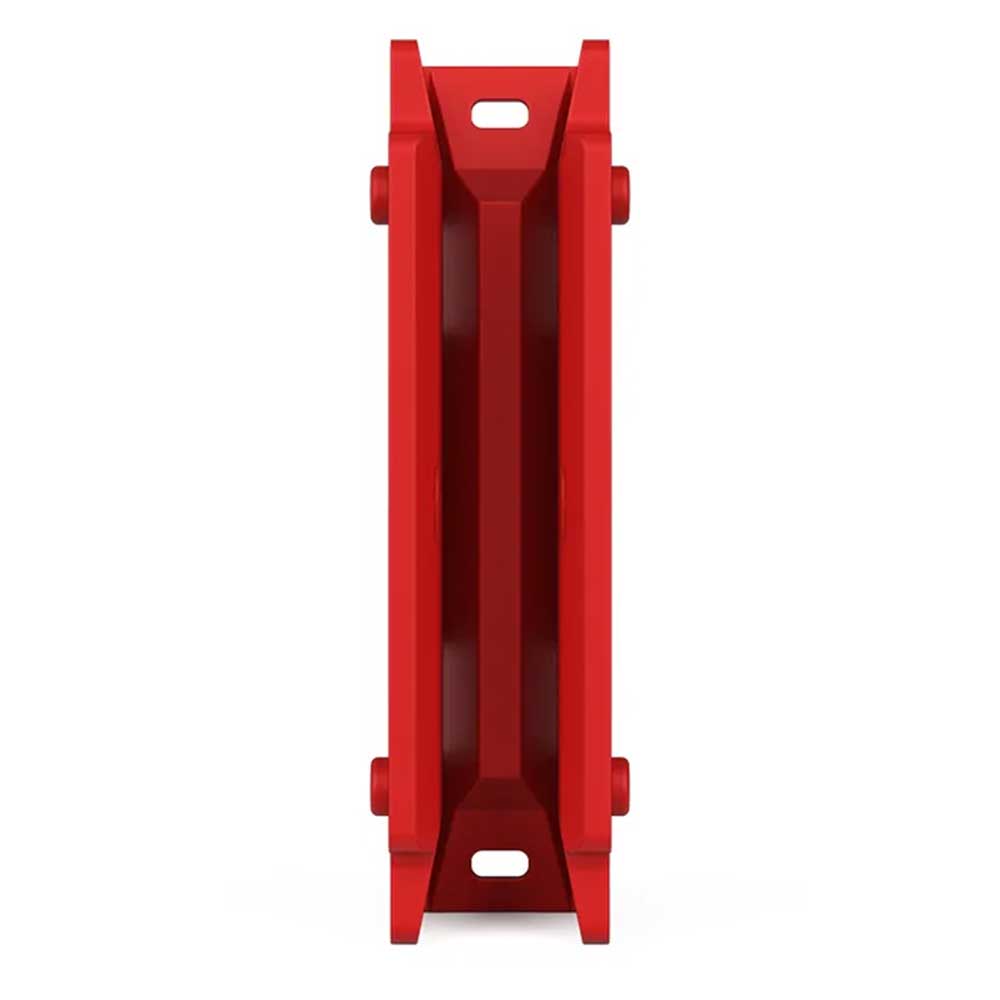
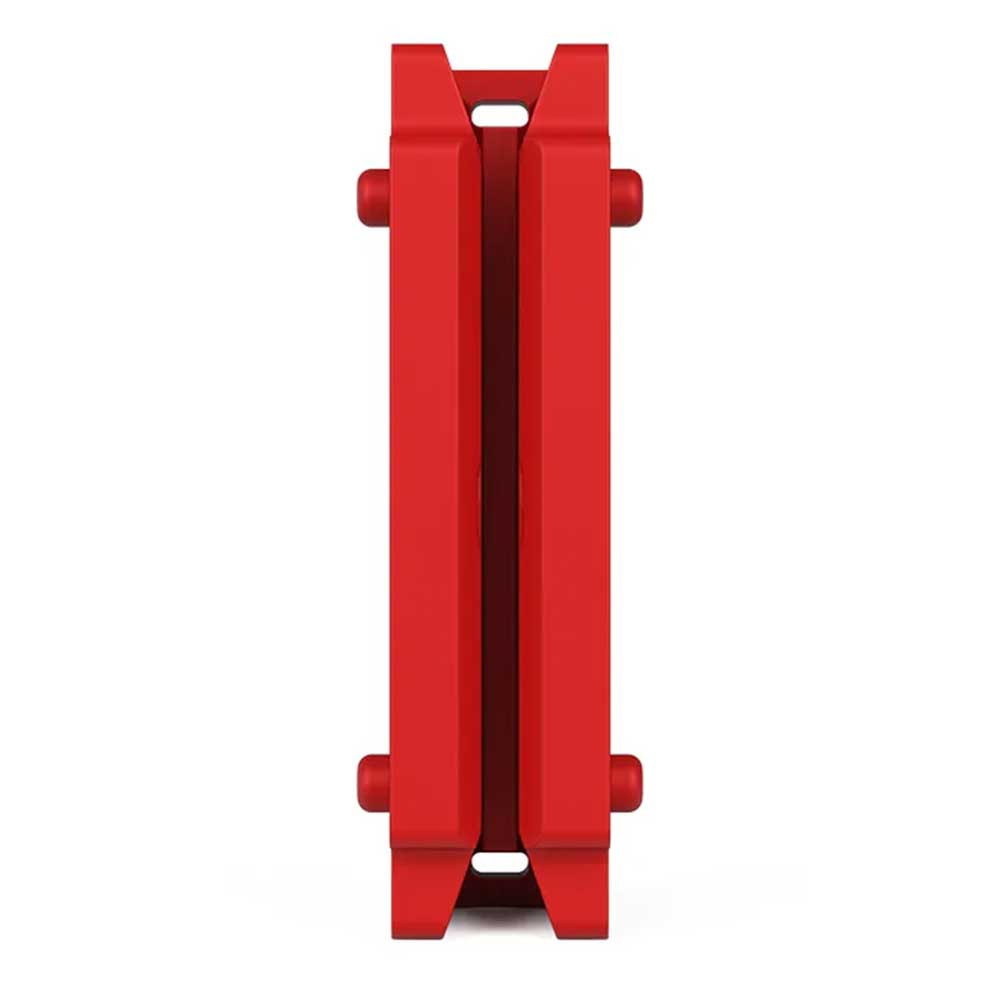
50 Series Guide Shoe Plastic Insert is a replaceable plastic contact and wear element used between a sliding elevator guide shoe body and the guide rail. During operation the insert follows the rail surface and supports controlled sliding movement of the shoe. Over time, thinning, surface wear, deformation, cracking or clearance inside the housing can change the quality of guidance. The internal insert should therefore be checked during maintenance even if the outer guide-shoe body remains mechanically intact.
The plastic insert is one of the serviceable elements of a sliding guide-shoe system. When correctly matched, it provides the intended working surface and helps avoid direct rubbing between the shoe body and guide rail. Noise, impact or vibration should not automatically be attributed to the insert, however. Rail alignment, rail joints, shoe mounting, car or counterweight frame geometry and the condition of other contact elements should also be inspected.
The 50 Series designation describes the product variant and should not be used to assume a material grade, exact cross-section, groove width, length or rail dimension. When matching the replacement, compare the groove profile in the guide-shoe body, the seating arrangement of the insert, contact direction, actual dimensions and the guide-rail working area. Measurements taken from a severely worn old insert can be misleading, so a clean shoe housing and current technical documentation are preferable references.
Installation and Modernization Checks
Before replacement, clean the guide-shoe housing thoroughly and remove fragments of the old plastic part, metal burrs, hardened contamination and anything that could prevent correct seating. The new insert should not be cut, excessively forced or softened with unsuitable chemicals to make it fit. Once installed, check that it sits correctly in the housing and that there is no twisting, binding or obvious gap along the rail contact surface.
After installation, move the relevant assembly at controlled low speed and observe passage along the guide rail and over rail joints. Listen for rubbing or impact noise and check lateral clearance and contact marks. If the new insert develops one-sided wear in a short period, the condition may indicate rail or guide-shoe alignment problems. In that case the complete guidance arrangement should be examined rather than replacing the insert again without correcting the root cause.
Periodic Maintenance and Suitability
Periodic inspection should look for thinning, cracks, breakage, heat-like deformation, movement in the housing and uneven wear. Timely replacement can reduce the risk of unintended contact between the guide-shoe body and the rail. Solvents or chemicals of unknown compatibility should not be used during cleaning; the maintenance method should follow the requirements of the existing guidance system and the current technical information for the replacement component.
50 Series Guide Shoe Plastic Insert can be used as a renewable contact component during elevator maintenance and modernization. Final compatibility must be confirmed against the existing guide-shoe body, groove profile and actual site dimensions rather than by photograph or series name alone. The “50 Series” description is an identifier, not a complete dimensional specification, and should be checked against current technical documentation before ordering.