
90 Series Guide Shoe Rubber Insert
Car and Counterweight Component
MOD-PAT-006 90 Series Guide Shoe Rubber Insert
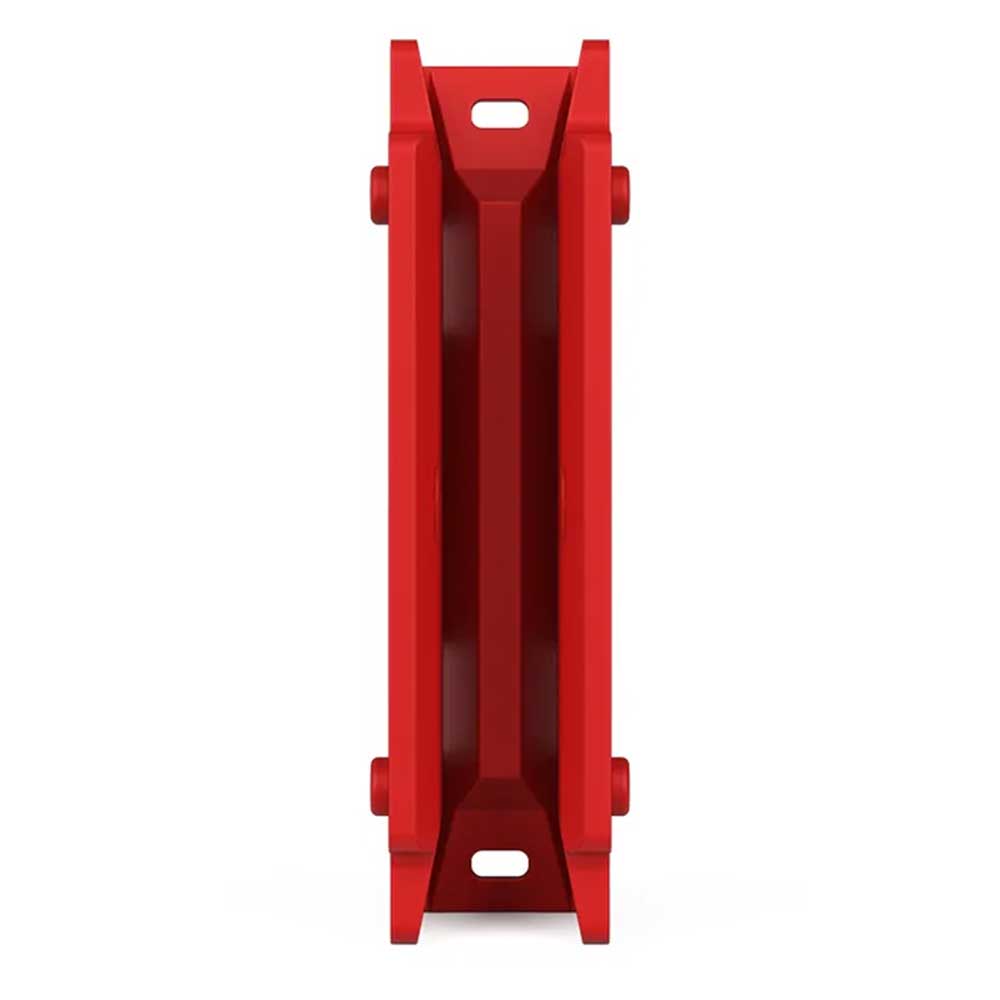
90 Series Guide Shoe Rubber Insert
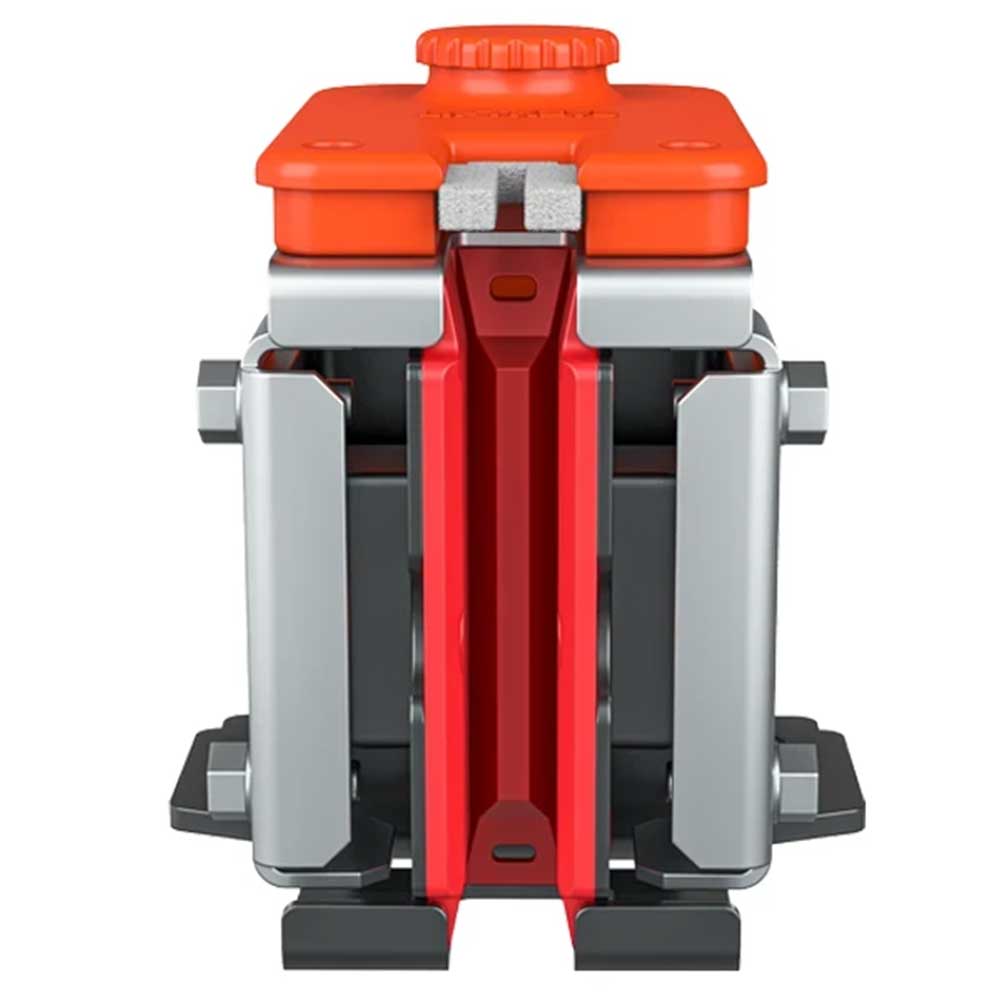
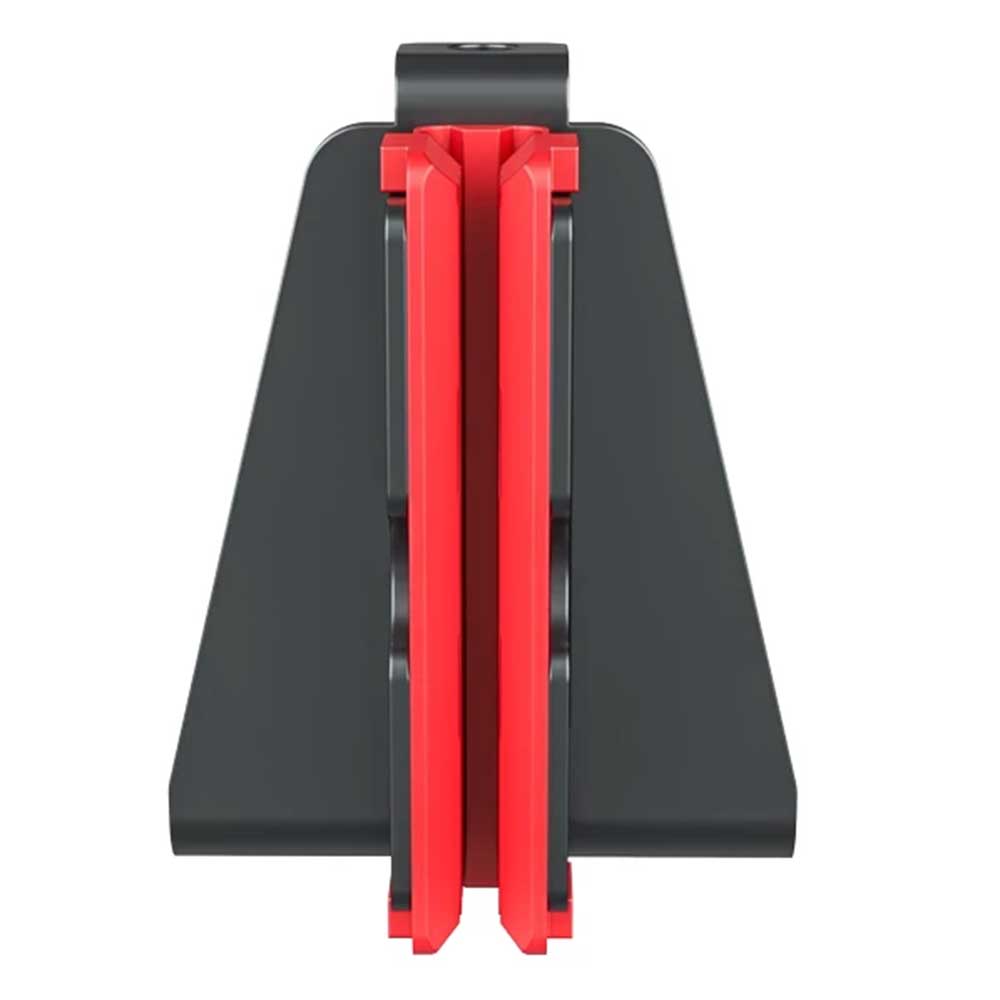
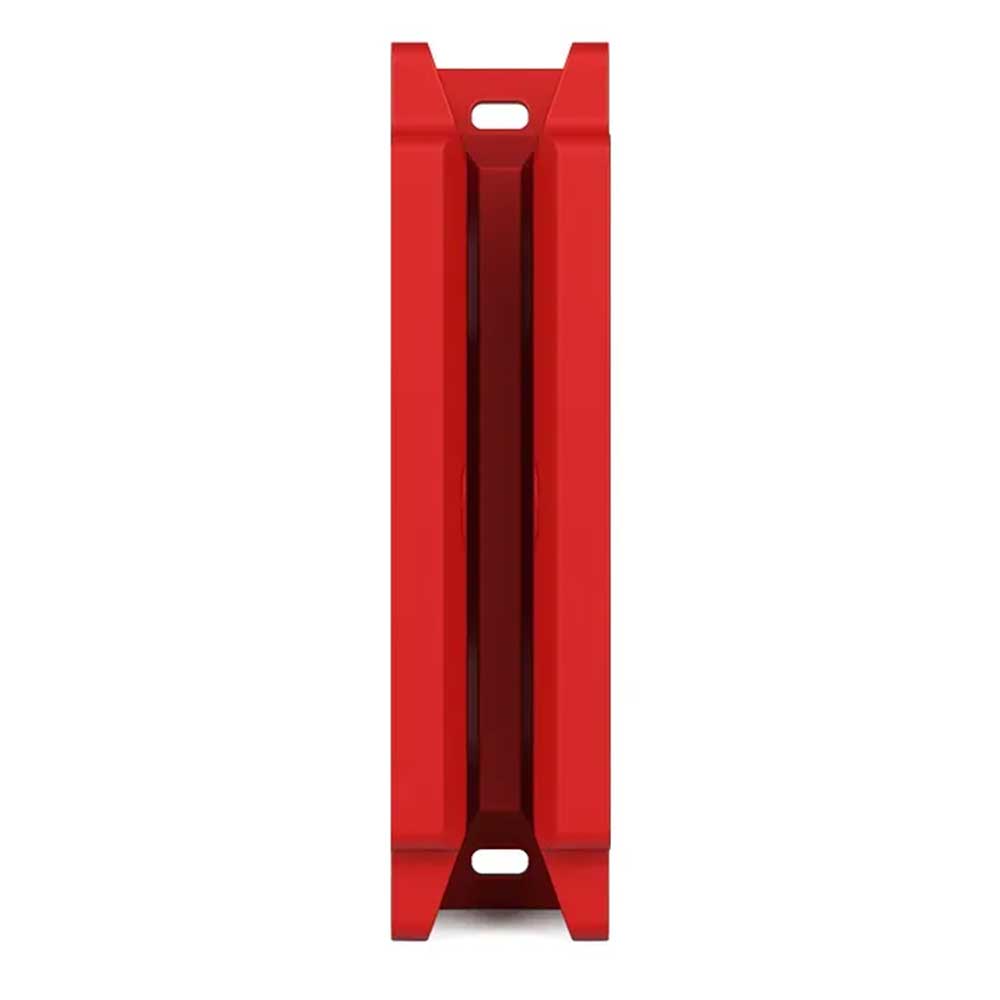
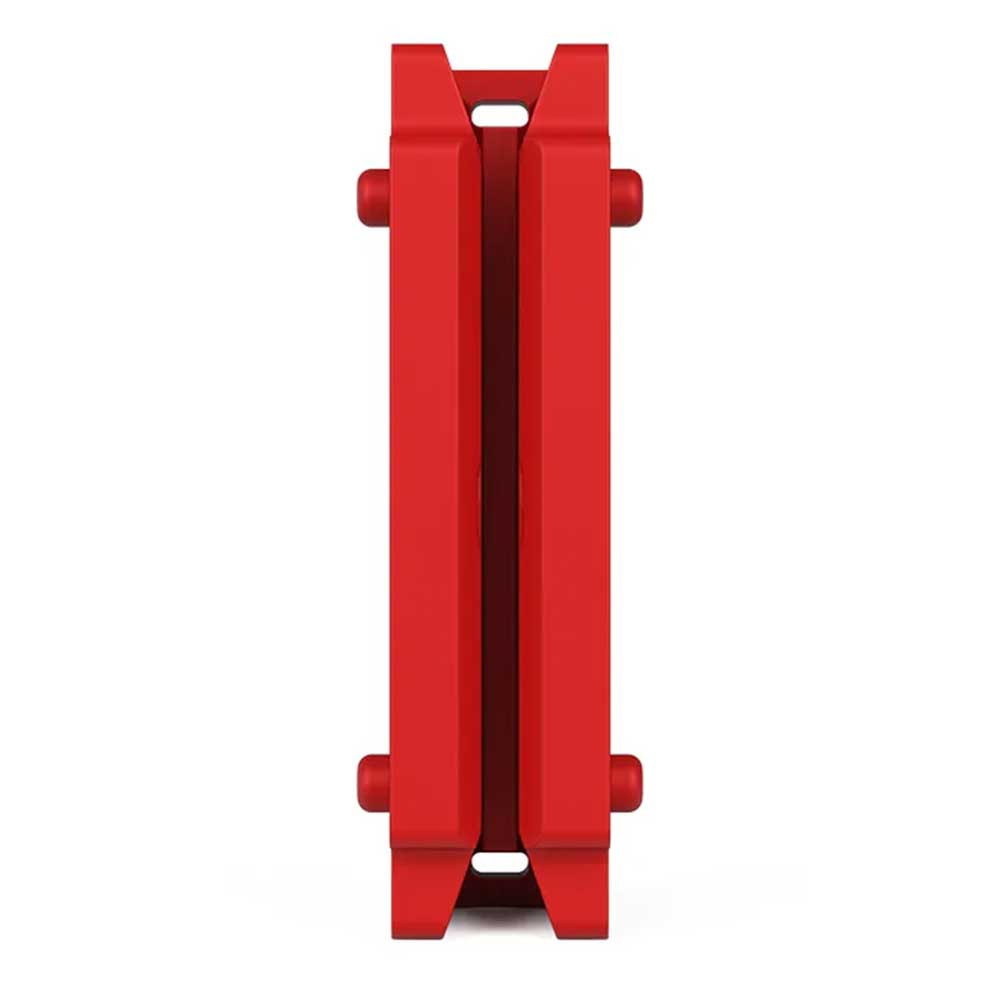
90 Series Guide Shoe Rubber Insert is a replaceable wear element used in the contact zone between a sliding elevator guide shoe and the guide rail. Because the rubber insert works continuously against the rail during operation, it can gradually show surface wear, hardening, deformation, tearing or increased clearance inside the shoe housing. These changes can influence guidance feel, noise and contact consistency, so the insert should be inspected as a service item even when the external guide-shoe body still appears usable.
The insert does more than simply grip the rail. It creates the defined working surface inside the guide-shoe body and contributes to controlled sliding guidance. A worn insert may create unnecessary clearance between the shoe and rail or produce irregular contact marks. Vibration and noise, however, should not automatically be blamed on the insert alone. Rail alignment, rail joints, guide-shoe mounting, car or counterweight frame geometry and other mechanical elements must be considered at the same time.
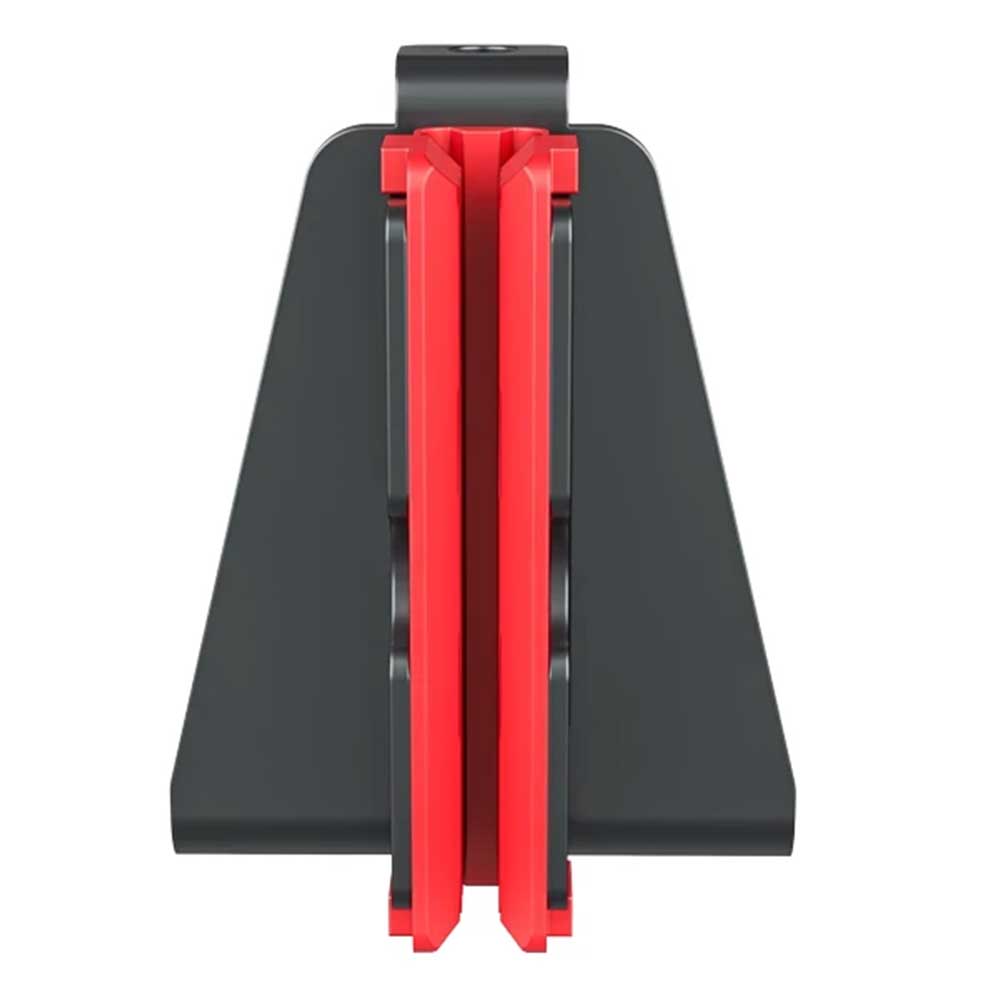
The 90 Series description identifies a product variant; it does not by itself define an exact cross-section, groove size, length or rail dimension. Before ordering, compare the profile of the existing insert, the channel in the guide-shoe housing, the contact direction, physical dimensions and the rail working area. If the old insert is heavily worn and no longer provides a reliable reference, use the clean shoe housing and current technical documentation as the basis for matching.
Replacement and Installation Practice
Before installing the new rubber insert, clean the shoe housing and remove foreign material, hardened lubricant, metal burrs and remains of the previous part. The insert should not be cut, excessively stretched or forced into an incompatible groove merely to make it fit. After installation, it should sit evenly in the housing without twisting, bulging or projecting into the rail path. Where several guide shoes operate on the same moving assembly, compare wear levels and consider whether replacing only one insert would create an imbalance.
For initial commissioning, move the car or relevant moving assembly at controlled speed and observe the insert as it passes rail joints. Check for unusual rubbing noise, excessive resistance, movement within the housing and one-sided contact marks. If a new insert quickly develops abnormal wear, inspect rail adjustment and guide-shoe geometry rather than repeatedly replacing the wear part without correcting the underlying cause.
Maintenance and Correct Product Matching
Periodic maintenance should look for surface cracks, deformation, hardening, tears, visible clearance and uneven wear. Replacing a worn contact element in time can help prevent unnecessary direct contact between the shoe housing and the guide rail. Cleaning and lubrication practices should follow the requirements of the existing guide-shoe system, and chemicals with unknown compatibility to the rubber material should not be used casually.
90 Series Guide Shoe Rubber Insert can be used as a replaceable guide-shoe wear component in elevator modernization and maintenance. Final suitability must be confirmed by physically matching it to the existing shoe housing and rail arrangement. A product photograph or the “90 Series” name is not a dimensional guarantee; profile, size and mounting compatibility should be verified at the site and against current technical information.