ICON 2G Communication Module
Electrical Component
ICON-2G ICON 2G Communication Module
ICON 2G Communication Module
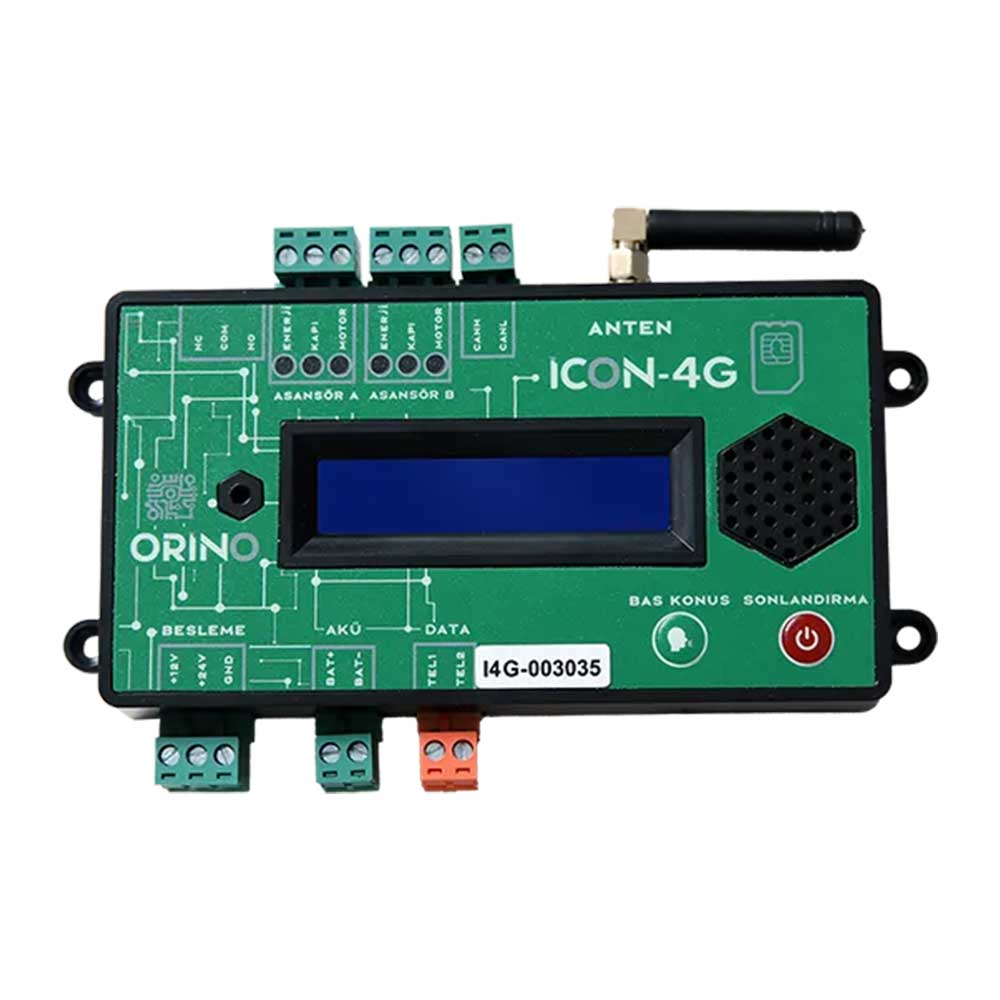
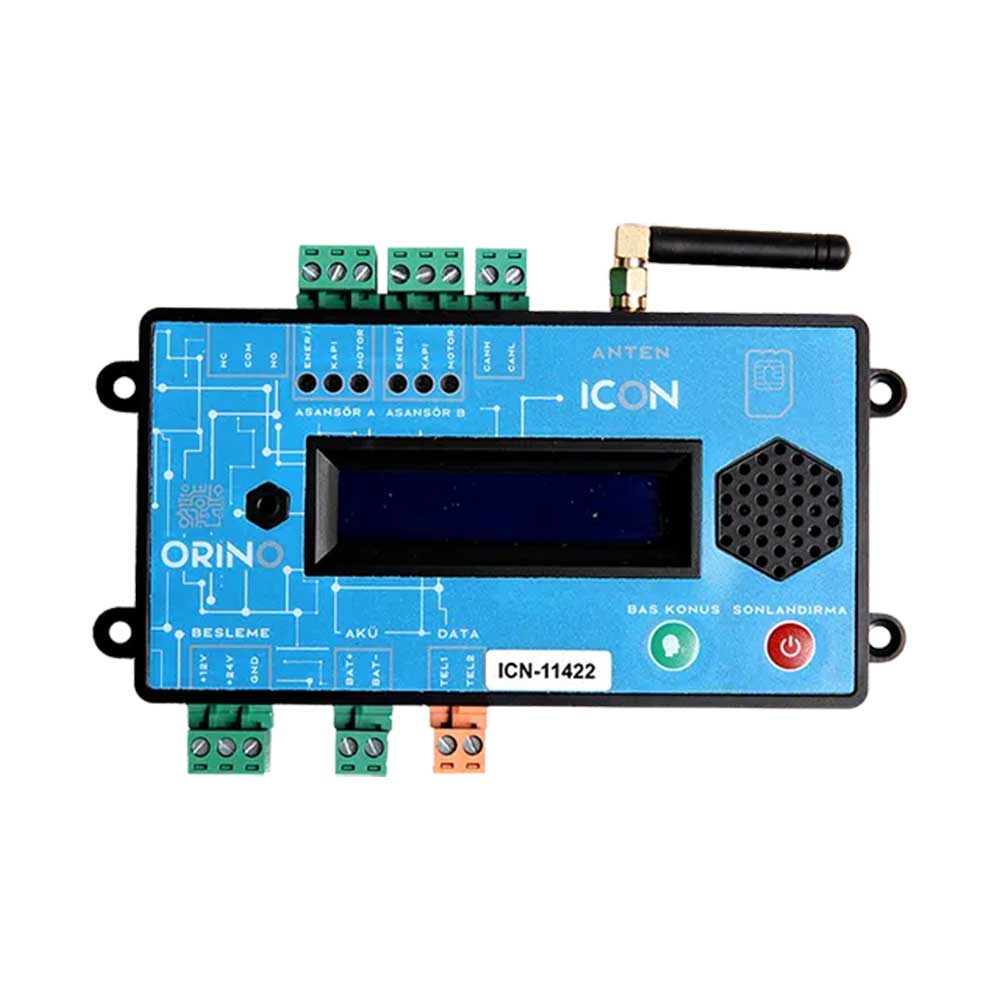
The ICON 2G Communication Module is a cellular communication solution that can be used to renew emergency call and voice communication infrastructure in elevator modernization projects. The system combines an antenna-equipped main communication unit with auxiliary communication units that can be installed at different service points, such as the elevator pit and the car top, within one coordinated architecture. This makes it possible to replace a fragmented, outdated or insufficient communication arrangement in an existing elevator with a more organized, controllable structure that is easier to integrate into service and maintenance procedures.
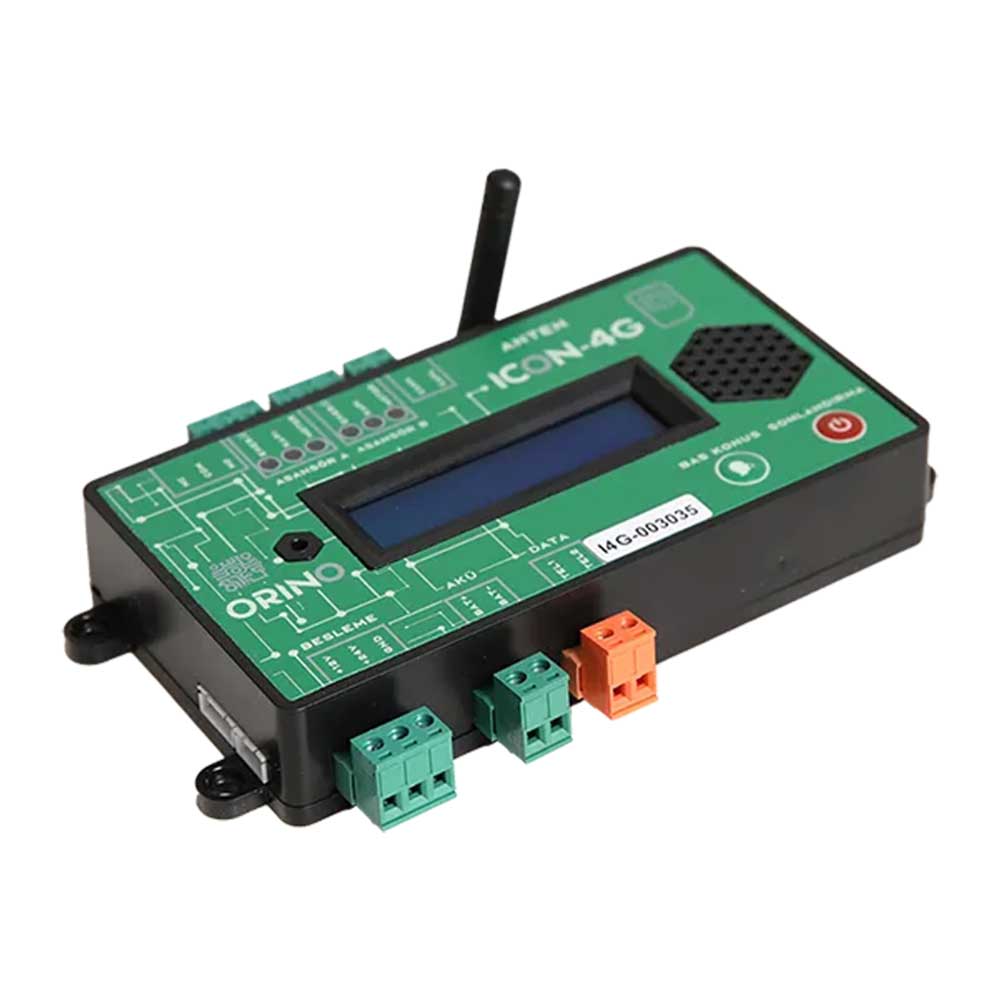
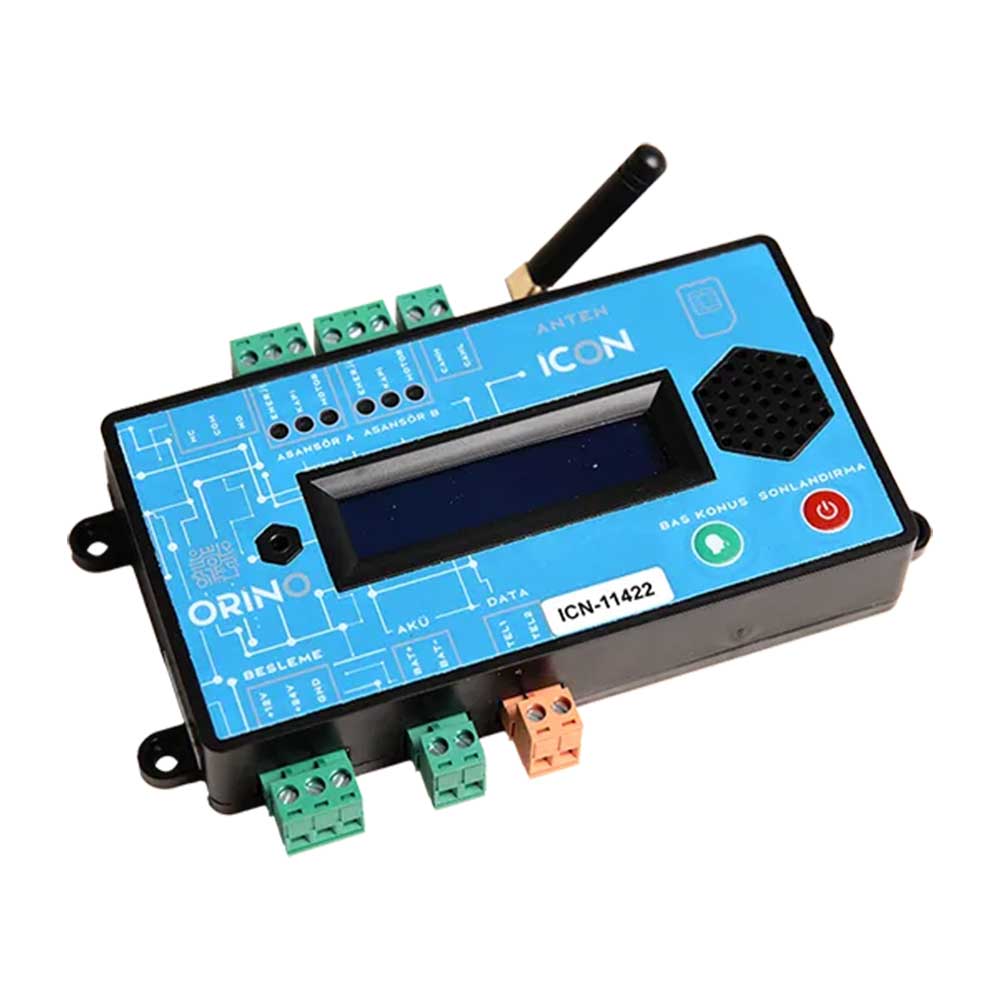
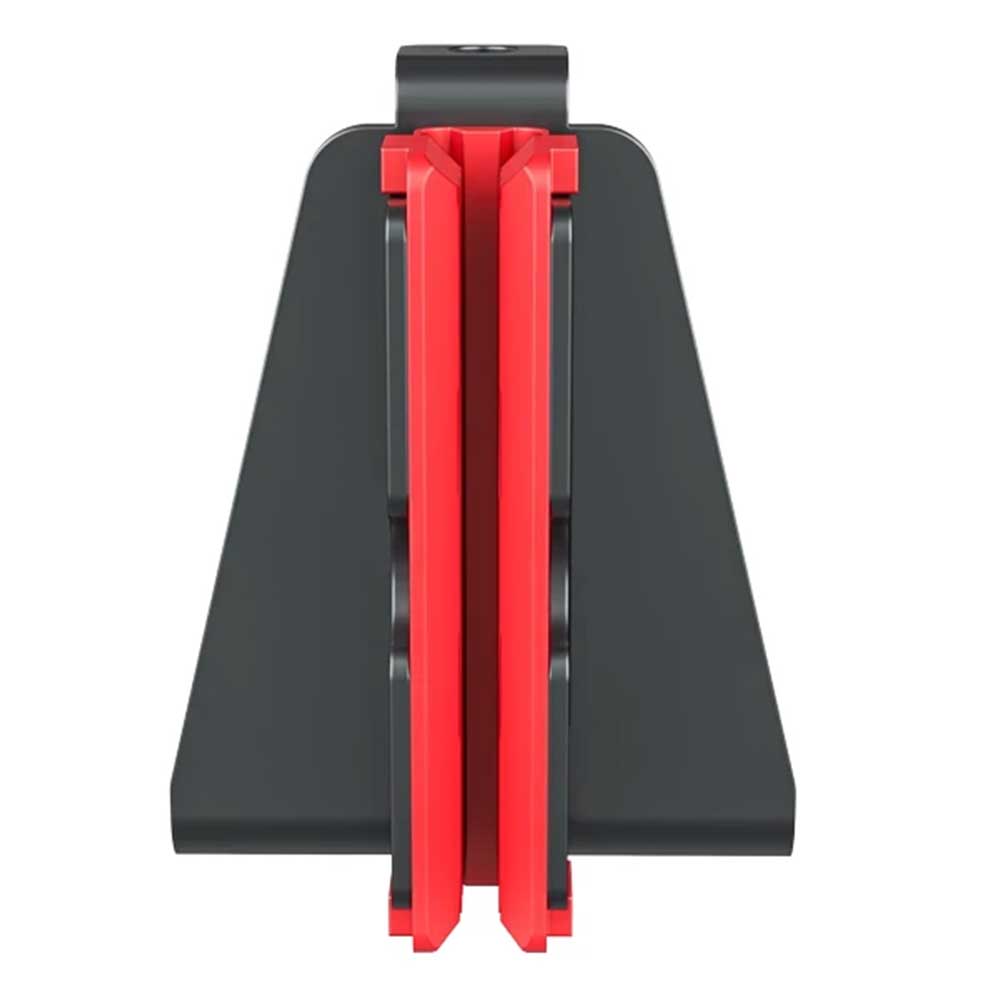
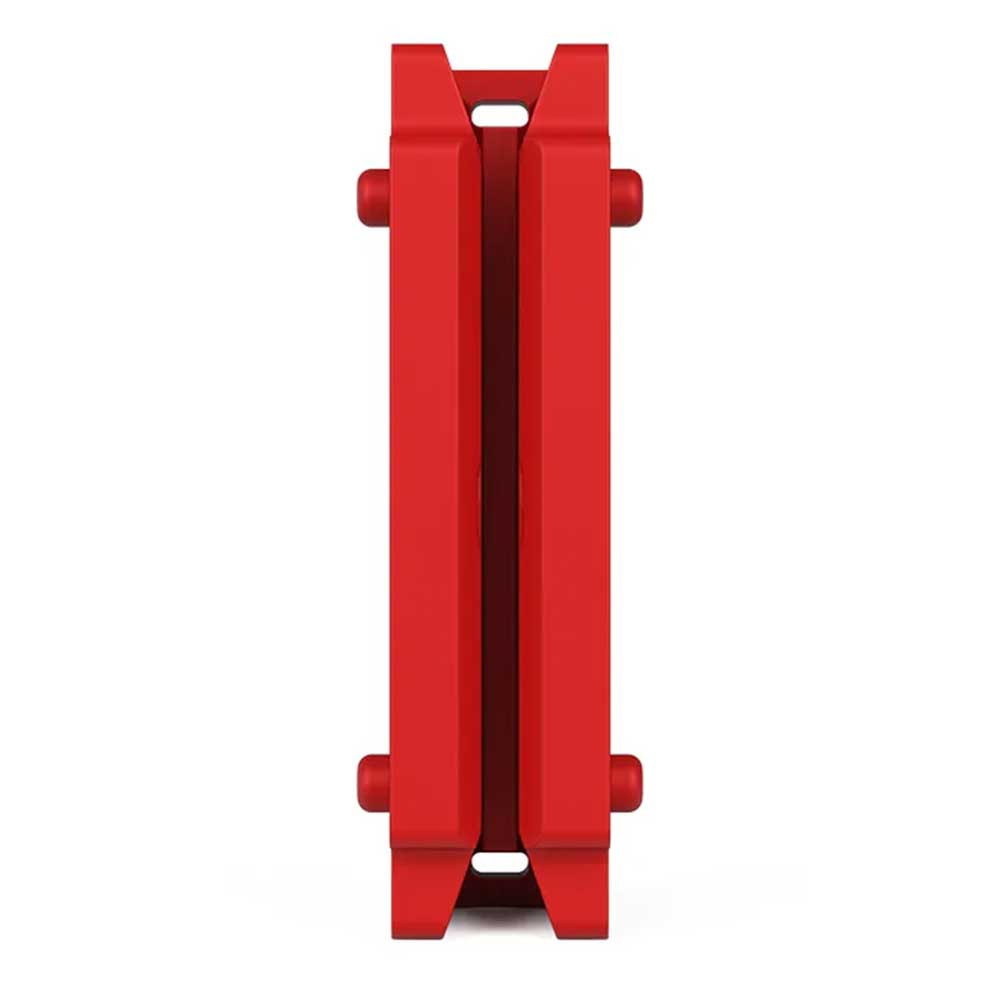
In modernization work, an elevator communication system should not be treated as nothing more than a telephone connection. The ability of a passenger or service user to initiate an assistance call, the transmission of that call to an external support point, the establishment of clear two-way voice communication, the correct positioning of auxiliary units and the safe integration of the system with the existing elevator control infrastructure all need to be evaluated together. On the ICON 2G main unit, the product images show an antenna connection, a display area, an audio section and terminal groups assigned to different functions. The auxiliary modules include an audio output area, an SOS indication and dedicated communication connection terminals.
2G-based cellular communication can help reduce dependence on a fixed telephone line in projects where suitable mobile network coverage is available. However, the continued availability and signal coverage of 2G services can vary by country, region and mobile network operator. For this reason, the network conditions at the installation location should be checked before selecting and commissioning the system. The status of the SIM card, antenna position, received signal level and the service conditions of the selected mobile operator should all be verified on a project-by-project basis rather than assumed to be identical across installations.
Modernization Application and Integration
When adding a communication module to an existing elevator, the control panel, car alarm circuit, travelling cable, available power supply, existing push-button connections and the required auxiliary communication points should be reviewed together. In older installations in particular, it is not good practice to commission a new communication unit before checking cable continuity, the physical condition of terminal connections and the quality of the available supply. Connections for the main unit and auxiliary units should be made in accordance with the current electrical drawings of the installed elevator system and the latest product connection documentation.
The auxiliary units identified in the product images as pit and car-top units can be considered for distributing voice communication and assistance-call functions to different service areas of the elevator. Their locations should be determined by considering accessibility, cable routing, the working area of service personnel and the configuration of the existing installation. Final terminal assignments, connection sequence and electrical values should be verified against current technical documentation before any field wiring is completed.
During commissioning, simply confirming that the equipment receives power should not be considered sufficient. The complete communication chain should be tested under realistic operating conditions: the call must be initiated correctly, reach the intended support point, establish two-way voice communication, confirm the operation of the auxiliary units and maintain a stable mobile-network connection. Labelling the completed connections and recording them in the service documentation after installation also makes later troubleshooting, periodic inspection and maintenance substantially easier.
Operation, Inspection and Maintenance
Emergency communication equipment is expected to operate when it is actually needed, so it should be included in the periodic maintenance schedule rather than checked only at the time of installation. The mobile line should remain active, the antenna connection should stay secure, terminal connections should be free from loosening or damage, auxiliary audio units should operate correctly and assistance calls should continue to reach the intended destination. If the mobile operator infrastructure or local network conditions change, the communication test should be repeated to confirm that the installation still performs as expected.
Connection methods, network suitability and local technical requirements may differ between countries and between different elevator control systems. Product selection should therefore not be based only on the product name or its external appearance. The existing control system, alarm circuit, available power supply, cabling possibilities, required communication points and local mobile-network conditions should be evaluated as a complete project. This approach helps the modernization work to be planned in a more orderly way and makes the communication system easier to manage throughout future service, inspection and maintenance activities.