ICON 2G Duo (Duplex) Communication Module
Electrical Component
ICON-2G-DUO ICON 2G Duo (Duplex) Communication Module
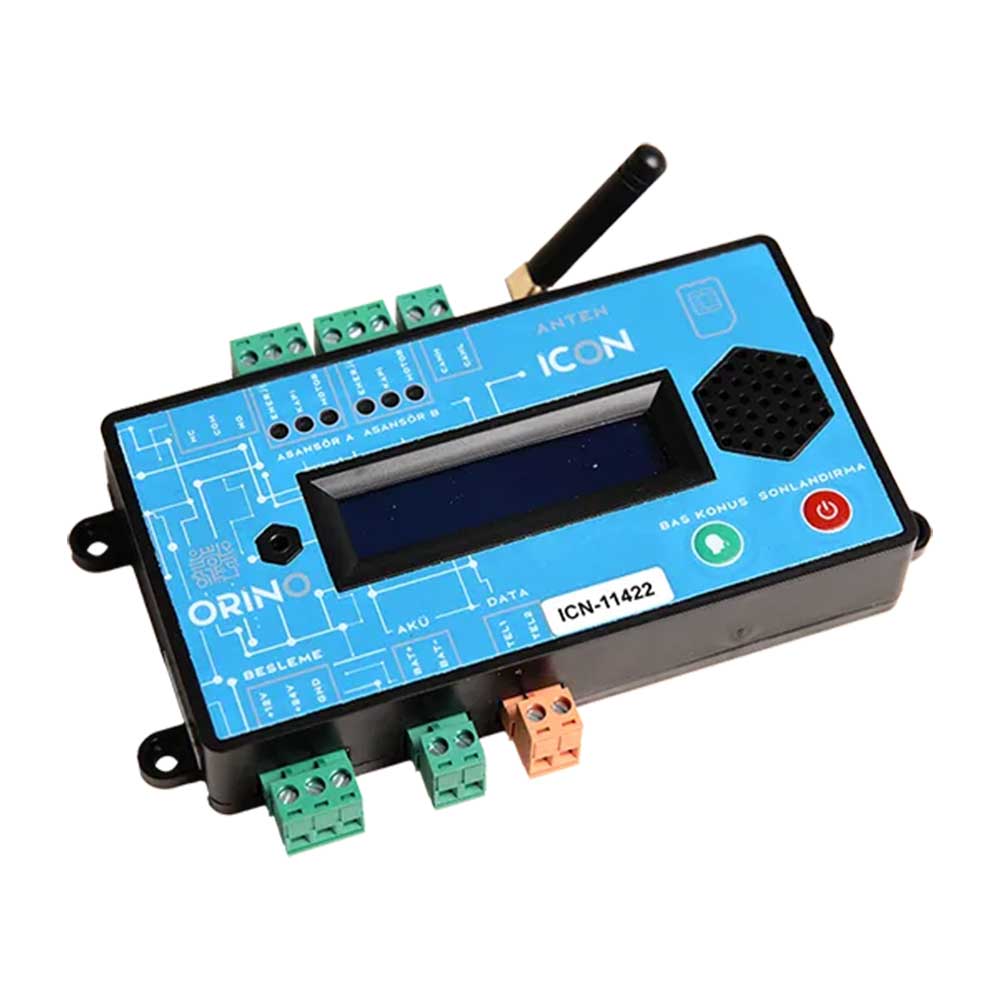
ICON 2G Duo (Duplex) Communication Module
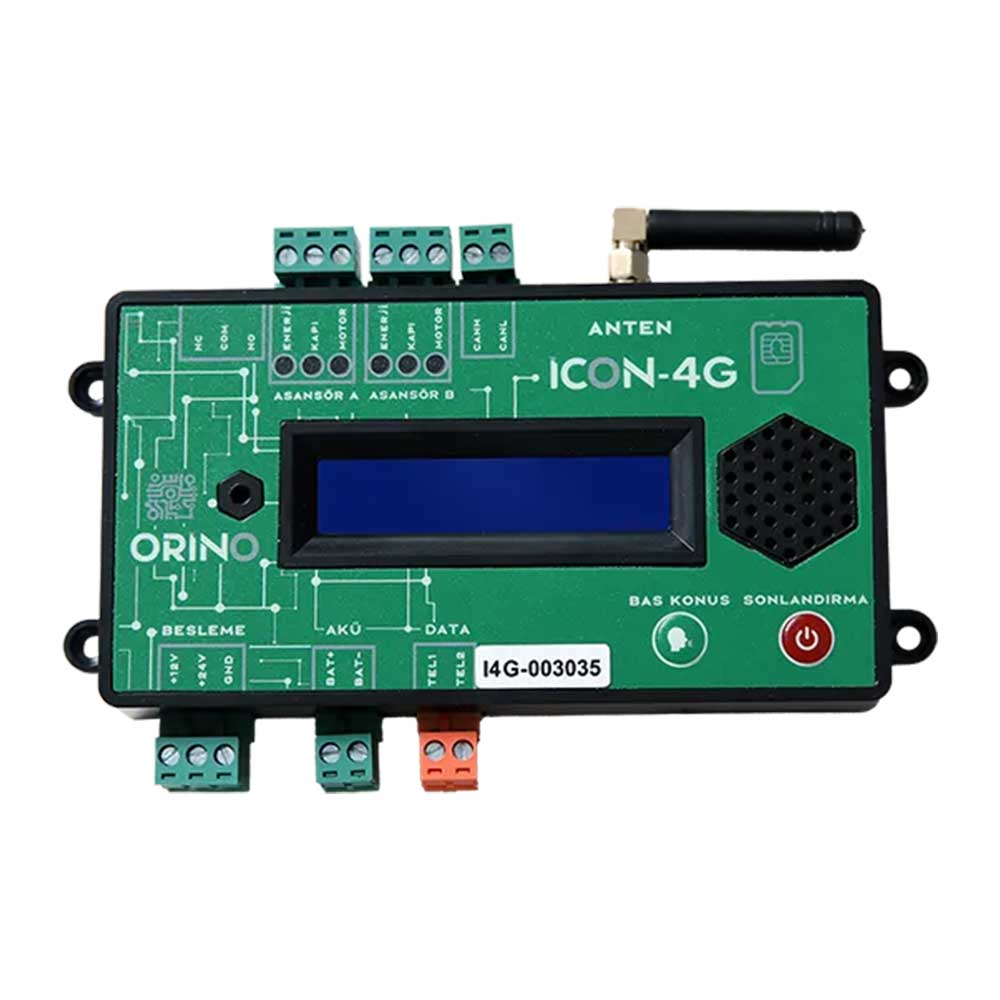
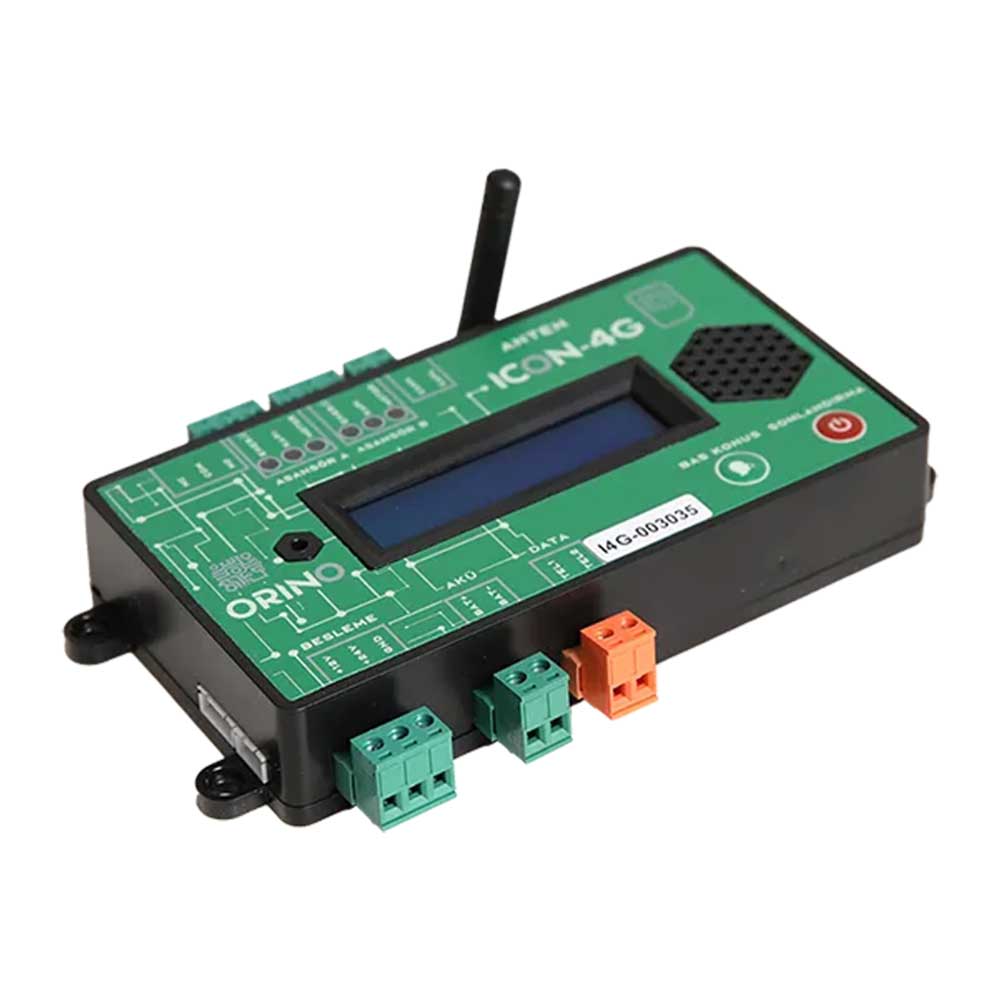
ICON 2G Duo (Duplex) Communication Module is a modular cellular communication solution that can be used when the emergency communication infrastructure of an existing elevator needs to be renewed, when dependence on a conventional fixed telephone line should be reduced, or when help calls must be managed through a mobile network. The product group combines a main communication unit with an external antenna connection and auxiliary voice/call units identified in the images for pit and car-top service areas. This allows communication between the user, service personnel and an external support point to be considered within one modernization plan instead of as isolated components.
An elevator emergency communication system should not be treated simply as a telephone connection. Correct initiation of a help call, routing to the intended support point, intelligible two-way speech, suitable placement of auxiliary communication points and safe integration with the existing controller infrastructure all need to be evaluated together. ICON 2G Duo (Duplex) Communication Module provides a modular structure based on a main unit, antenna, terminal groups, audio section and auxiliary call units so these requirements can be planned in a more systematic way.
Using 2G cellular communication can reduce dependence on a building's traditional fixed-line infrastructure where adequate mobile coverage is available. Mobile network availability, however, varies by country, region and operator. Before selecting the product, the 2G coverage at the installation point, continued SIM service, possible antenna location, actual signal level and local telecommunications requirements should be checked for the specific project.
Modernization Application and System Planning
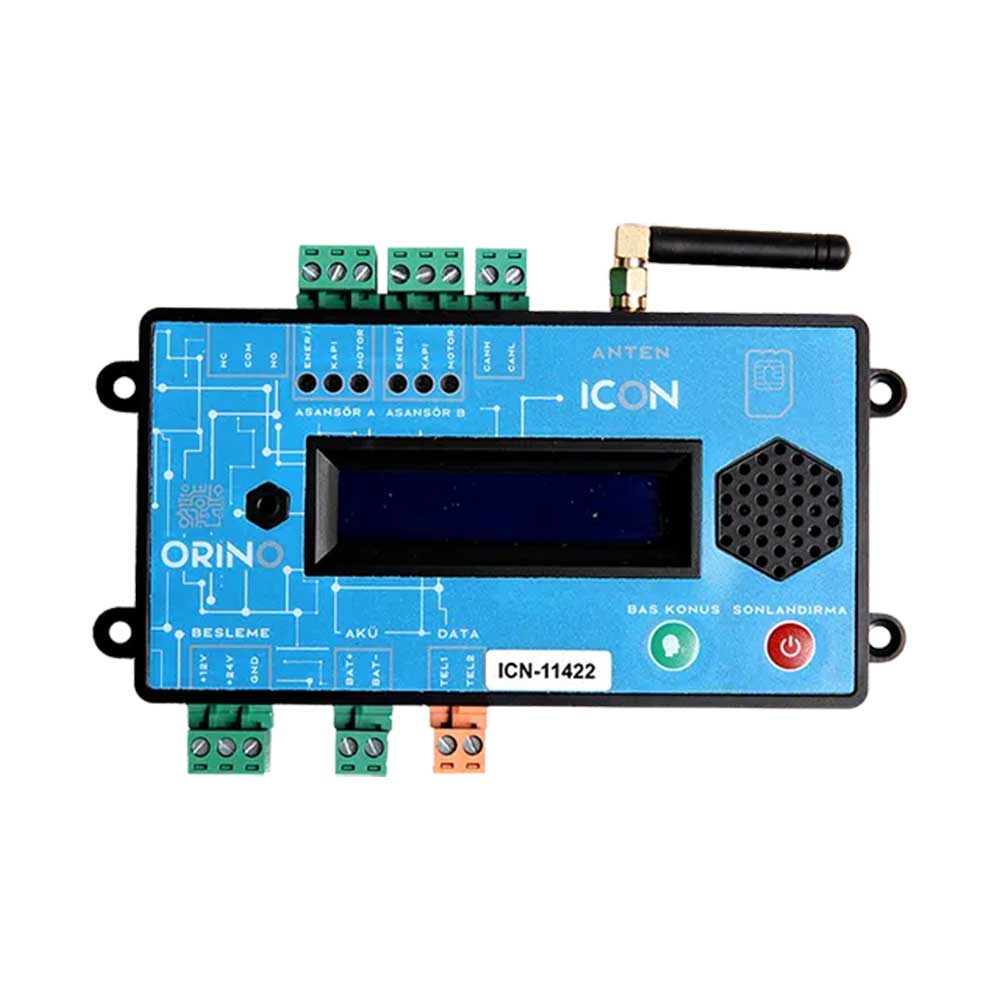
The Duo (Duplex) configuration is intended for modernization projects in which the communication requirements of two elevator lines need to be considered within one coordinated plan. The Elevator A and Elevator B markings visible on the main unit indicate an architecture that allows the two lines to be organized separately at the connection level. Exact terminal assignments, supported wiring scenario and field connections must still be confirmed from the current product documentation before installation.
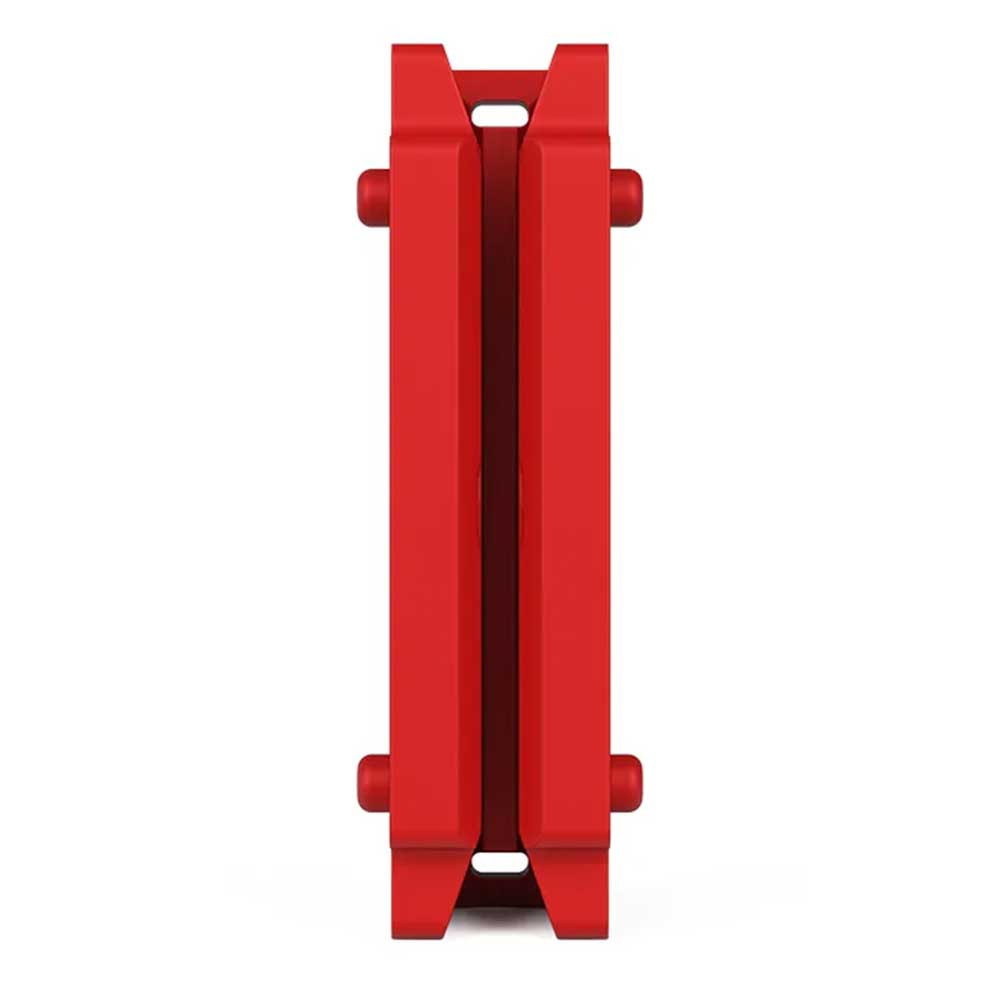
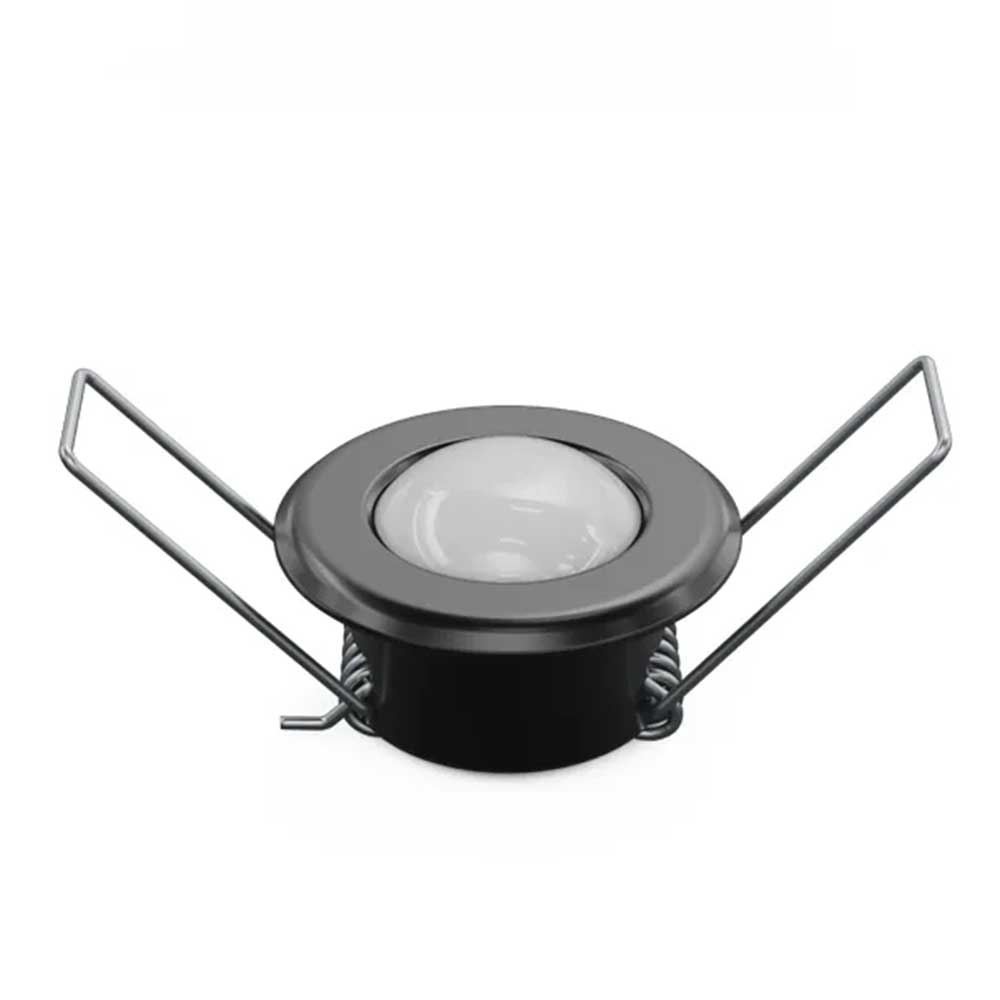
The front of the main unit shows a display area, audio section, antenna connection and terminal groups assigned to different functions. The auxiliary units show an audio outlet, SOS marking and terminals associated with power and telephone/communication connections. These visible features indicate a system intended to distribute voice communication and help-call functions to different service points through a central communication unit. Final terminal use, electrical values and connection sequence must be verified against the current technical documentation.
When adding a communication module to an existing elevator, the controller panel, car alarm circuit, travelling cable, available power supply, existing push-button connections, shaft wiring and required auxiliary communication points should be reviewed together. On older installations, the new unit should not be commissioned before cable continuity, physical condition of terminals, insulation and power quality have been checked. Cable routes should preserve maintenance access, connections should be labelled, and the completed changes should be included in the updated service documentation.
Commissioning, Maintenance and Project Verification
Commissioning should involve more than confirming that the device powers up. The help call must be initiated and routed to the correct destination, two-way speech quality must be checked, auxiliary units must be tested, mobile connectivity must remain stable and the expected behaviour after a power interruption should be verified under realistic operating conditions. If noise, weak audio or unstable signal is observed, antenna location and cable routing should be reviewed before the system is accepted.
Emergency communication equipment should be included in periodic maintenance after installation. SIM or mobile service status, antenna integrity, terminal tightness, operation of auxiliary audio units and successful arrival of the call at the intended support point should all be checked at defined intervals. Communication tests should be repeated whenever the mobile operator infrastructure, building coverage conditions or elevator control system is changed.
Product selection should not be based on the name or external appearance alone. The existing controller, alarm circuit, power arrangement, available wiring, required communication points, mobile operator support and local technical requirements need to be assessed together. For international projects in particular, 2G network continuity and local requirements can differ significantly, so the current technical documentation, actual site conditions and applicable project requirements should be confirmed before final implementation.