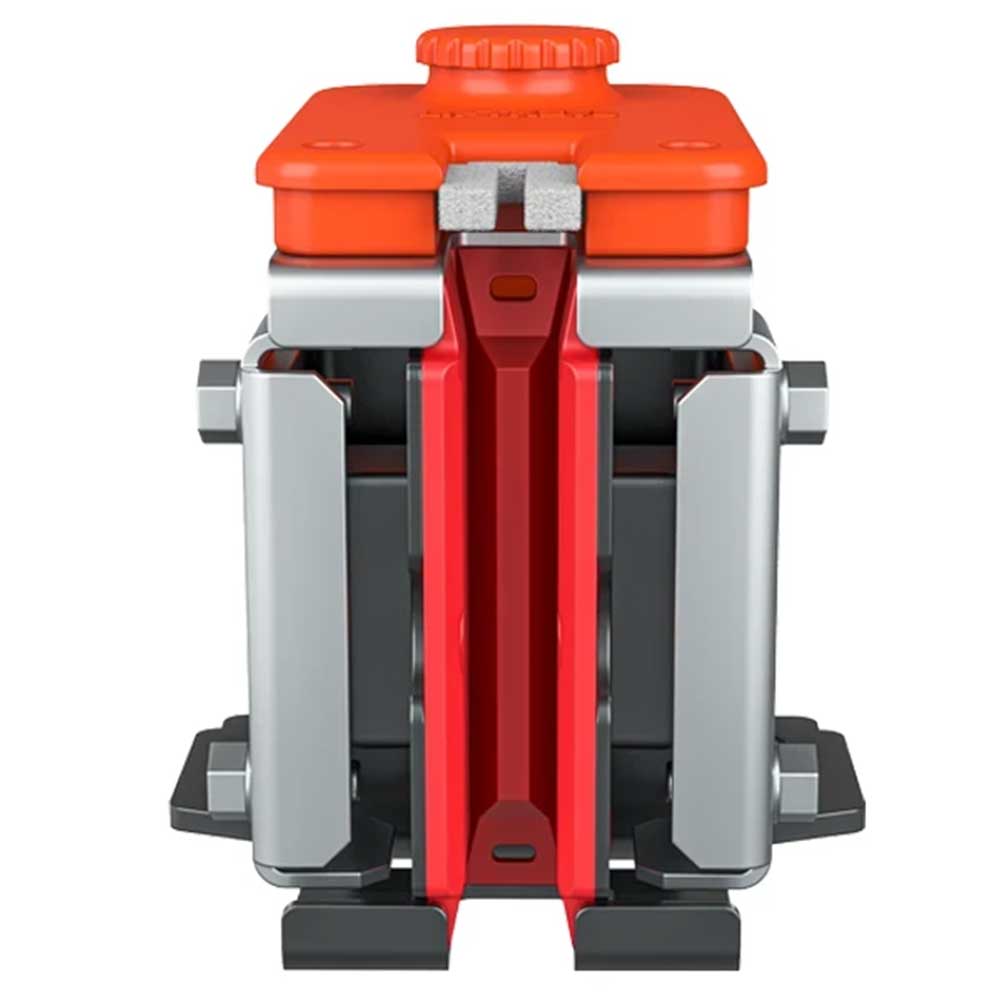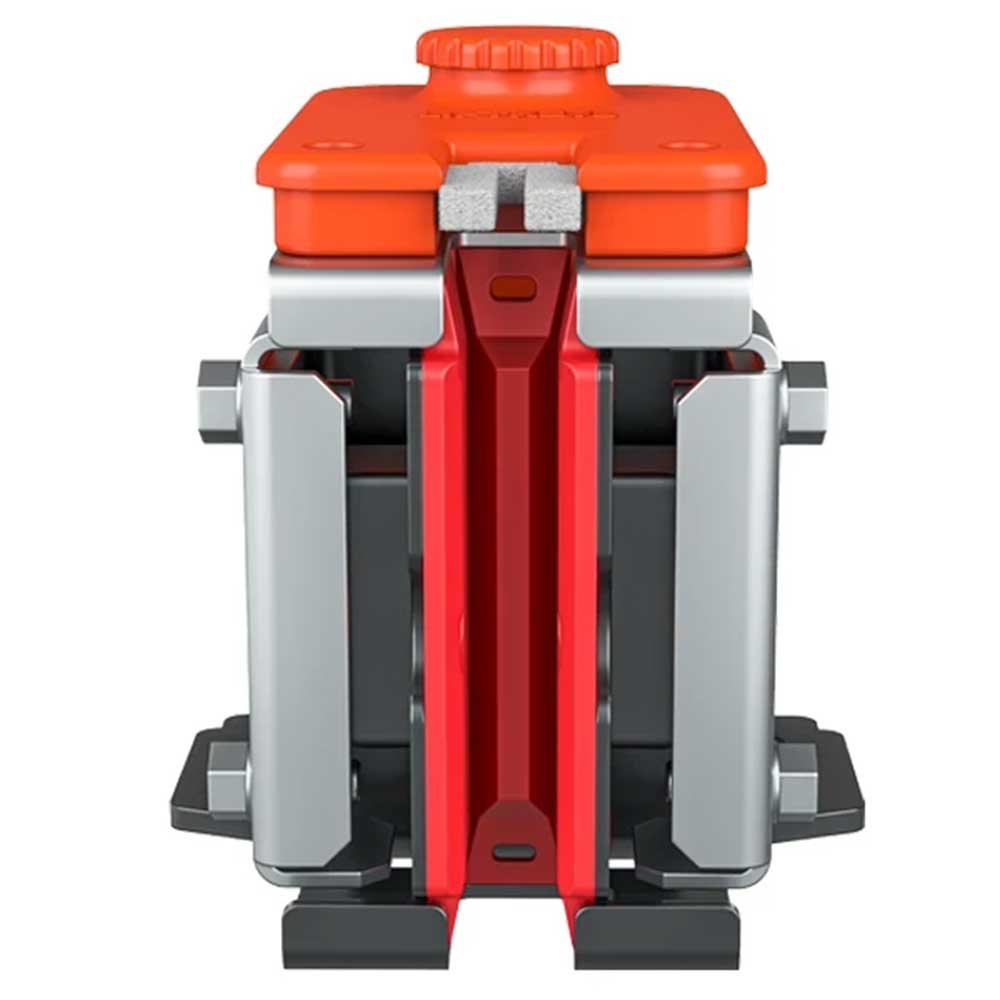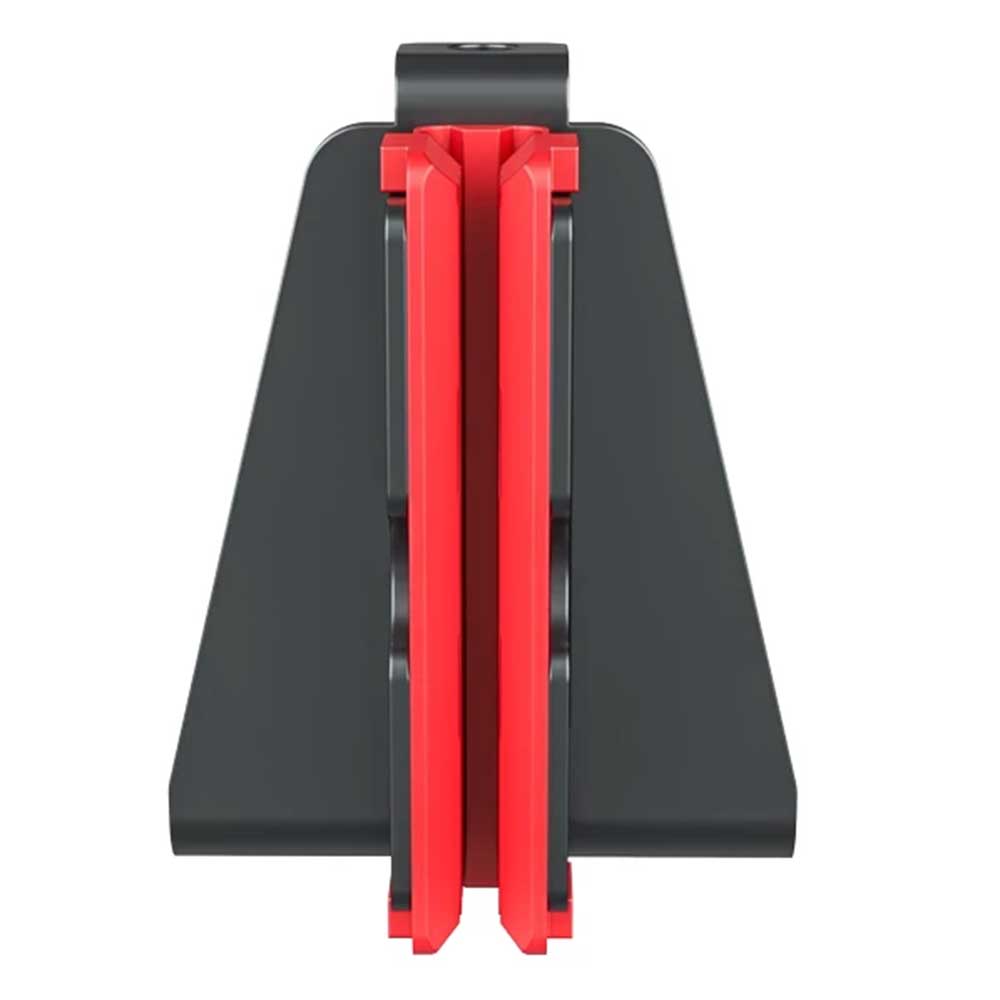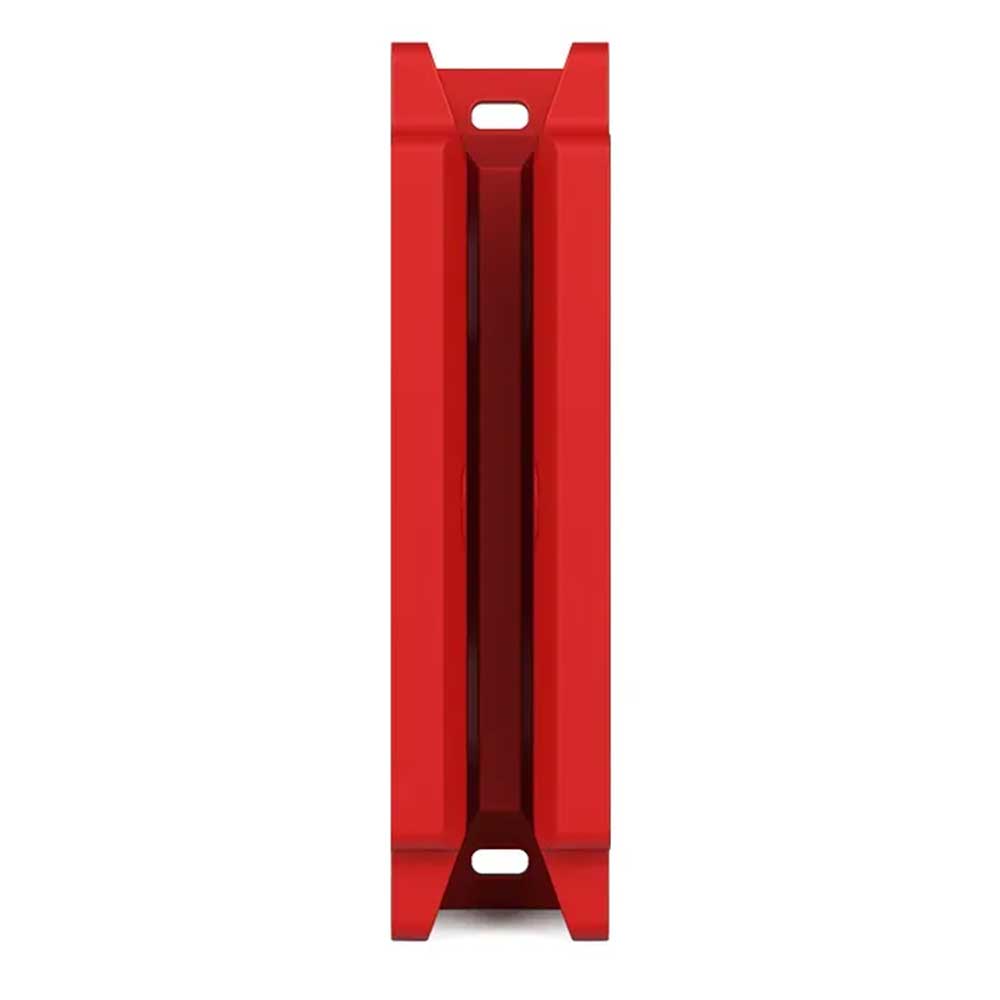

50 Series Counterweight Guide Shoe
Car and Counterweight Component
MOD-PAT-003 50 Series Counterweight Guide Shoe
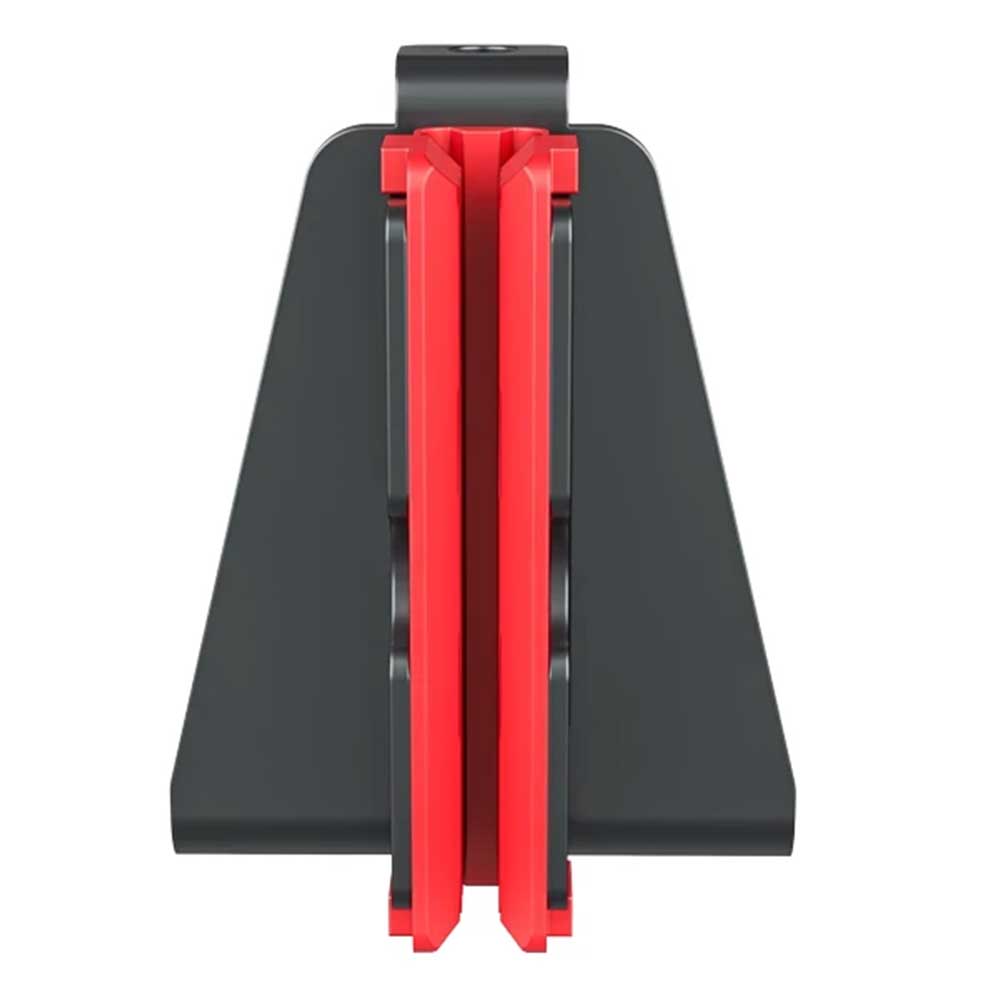
50 Series Counterweight Guide Shoe
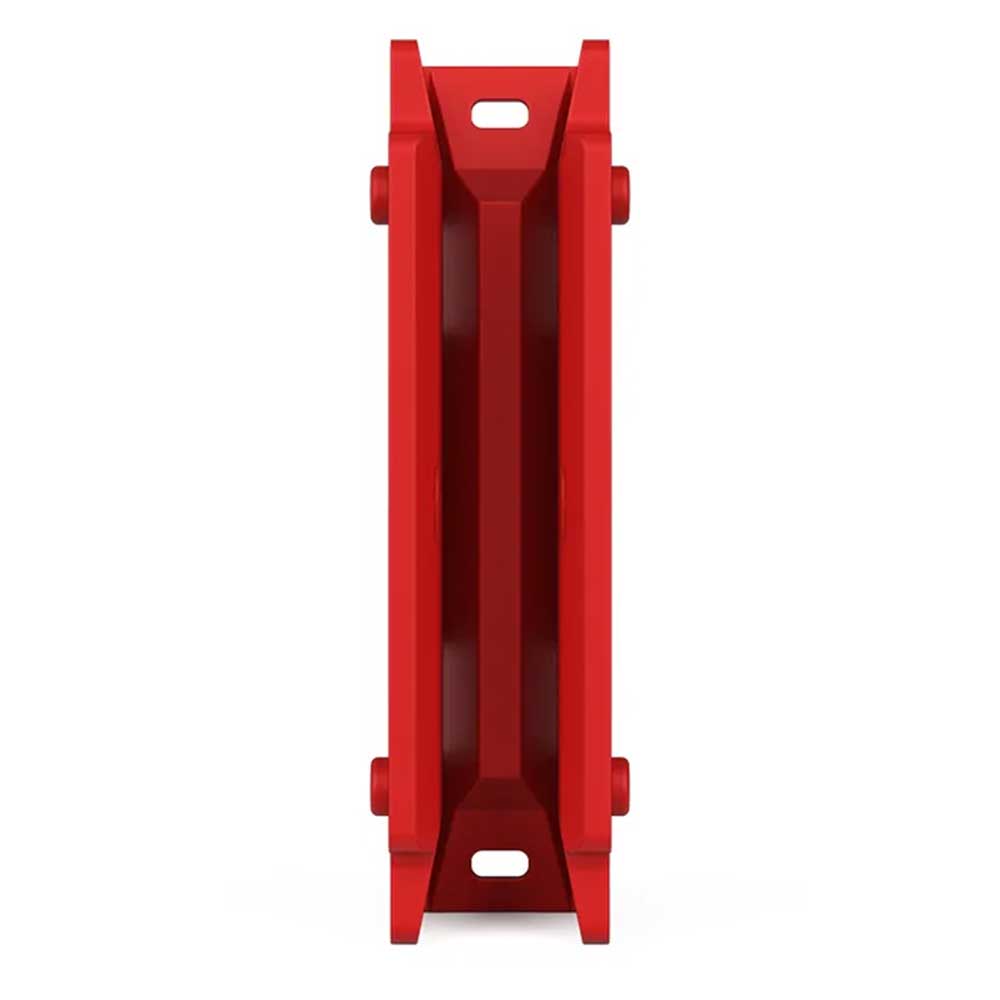
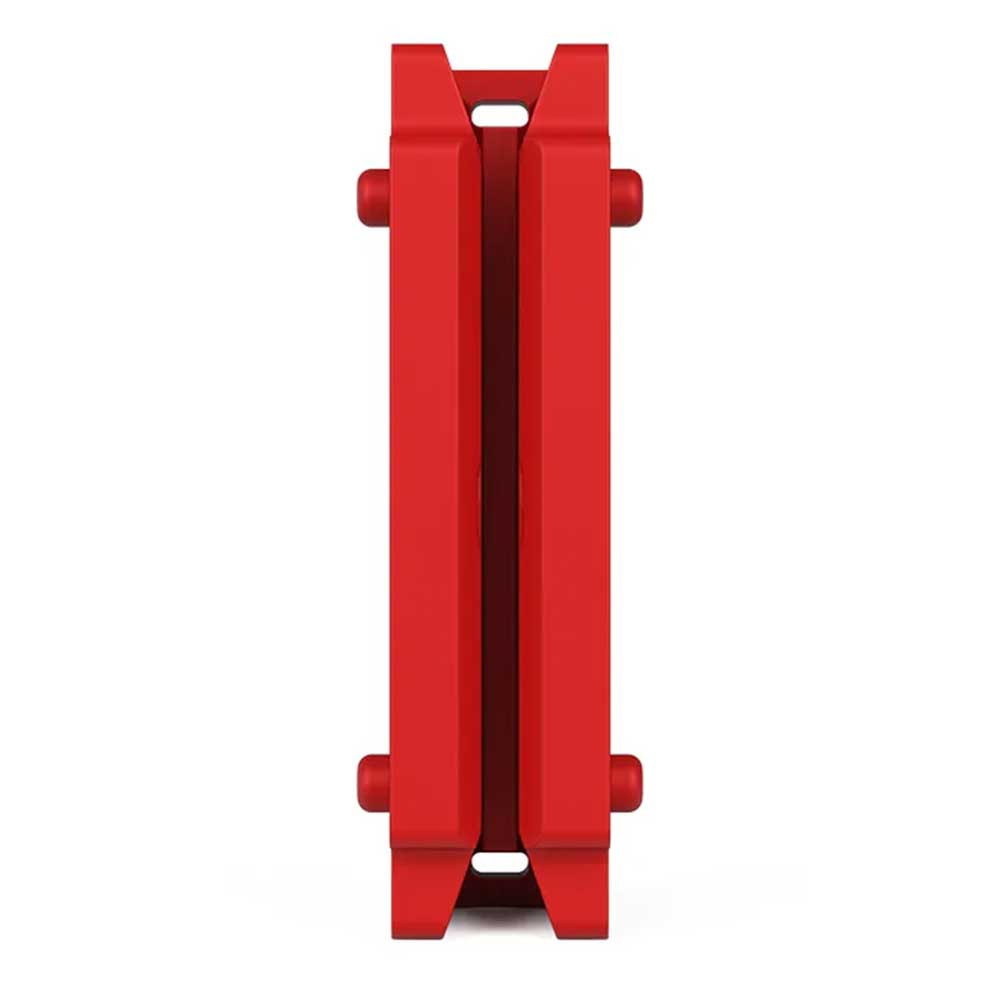
50 Series Counterweight Guide Shoe is a sliding guide shoe used to help the elevator counterweight frame travel in a controlled path along its guide rails. Although the counterweight operates in a different part of the shaft from the car, stable guidance remains important to the mechanical condition of the complete lift. Worn or unsuitable shoes can contribute to lateral play, irregular rail contact, rubbing noise, vibration or one-sided wear. Guide-shoe replacement should therefore be treated as part of a counterweight guidance inspection rather than as an isolated component swap.
A sliding counterweight guide shoe forms a controlled contact point between the frame and the guide rail. In a correctly arranged system, it should follow the rail without unnecessary binding or excessive clearance. Distorted rail surfaces, steps at rail joints, loose rail fixings, counterweight-frame misalignment or worn contact inserts can all affect the performance of a new shoe. For this reason, replacing the shoe without identifying the cause of an existing noise or movement problem may not provide a lasting result.
The 50 Series designation identifies the product variant. It should not be interpreted on its own as a confirmed rail width or mounting dimension. Before ordering, compare the guide-rail profile, existing shoe housing, mounting holes, fixing orientation, available space on the counterweight frame and the operating geometry of the internal contact element. Dimensional suitability should be verified from actual site measurements and current technical information rather than appearance alone.
Modernization and Installation Considerations
Before fitting a new shoe, inspect the guide-rail running surfaces and joints for burrs, heavy contamination, damage or discontinuities that may interfere with sliding movement. When the old shoe is removed, check the mounting area for deformation, looseness or damaged fixing holes. The replacement should not be forced against the rail to compensate for incorrect frame position. The counterweight frame should be checked between both rails so that the two guidance points operate in a balanced manner.
After installation, move the system under controlled conditions and observe passage over rail joints, rubbing noise, lateral movement, one-sided loading and contact patterns. Counterweight areas can be less accessible than the car, so the fastening points should remain inspectable for later service. If the first tests reveal looseness or abnormal wear, the mounting geometry and rail alignment should be reassessed before the lift returns to normal operation.
Maintenance, Wear Monitoring and Project Verification
Periodic inspection should include more than the external shoe body. The internal insert or contact piece, guide-rail surface, fasteners, counterweight frame and rail fixings should be examined together. One-sided wear, cracking, deformation, excessive play or persistent rubbing noise can indicate a wider alignment issue. Where multiple guide shoes work as a set, their condition and contact behaviour should be compared so that one new component is not expected to compensate for another worn or misaligned point.
50 Series Counterweight Guide Shoe can be considered for modernization and maintenance of a counterweight guidance system, but final selection must be based on the existing rail arrangement, counterweight frame, mounting dimensions, operating environment and service method. Product photographs, names and series numbers are useful identifiers, not compatibility guarantees. Verify the installation against site measurements and current technical documentation before ordering or commissioning.