
90 Series Main Guide Shoe with Lubricator
Car and Counterweight Component
MOD-PAT-002 90 Series Main Guide Shoe with Lubricator
90 Series Main Guide Shoe with Lubricator
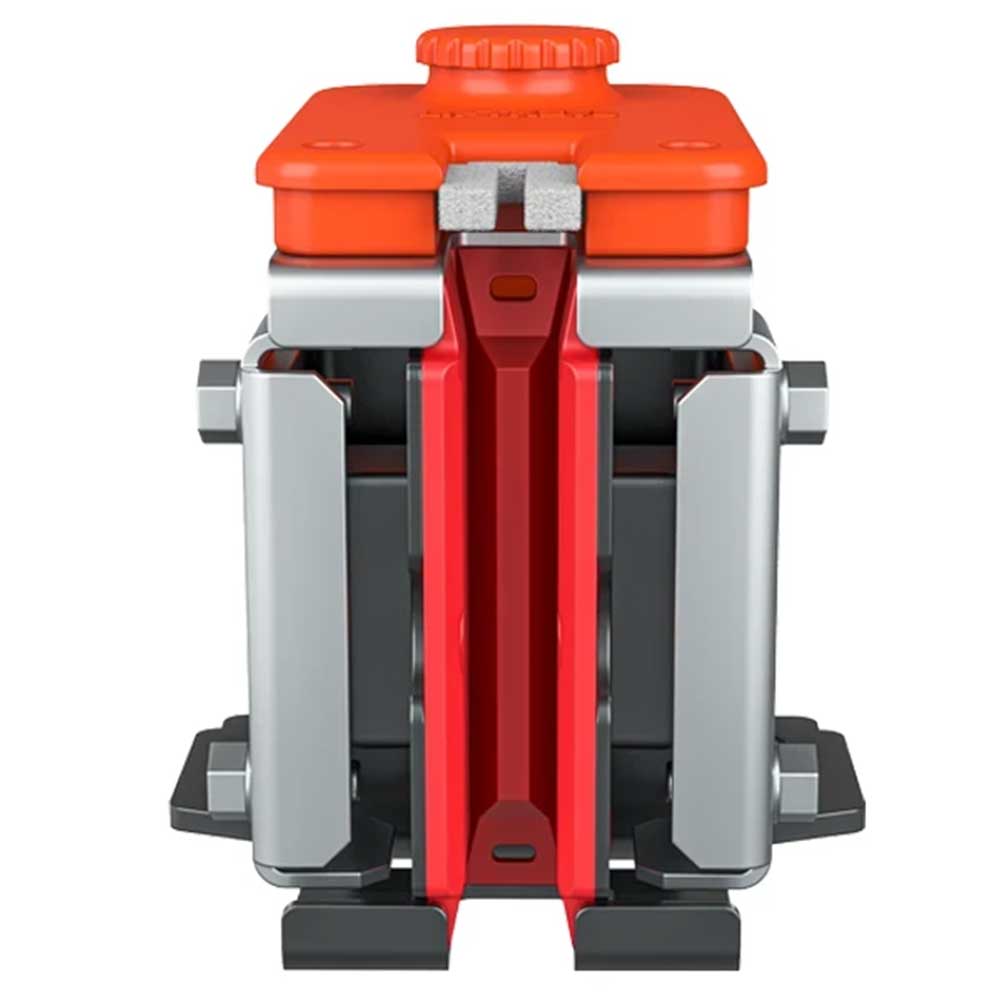
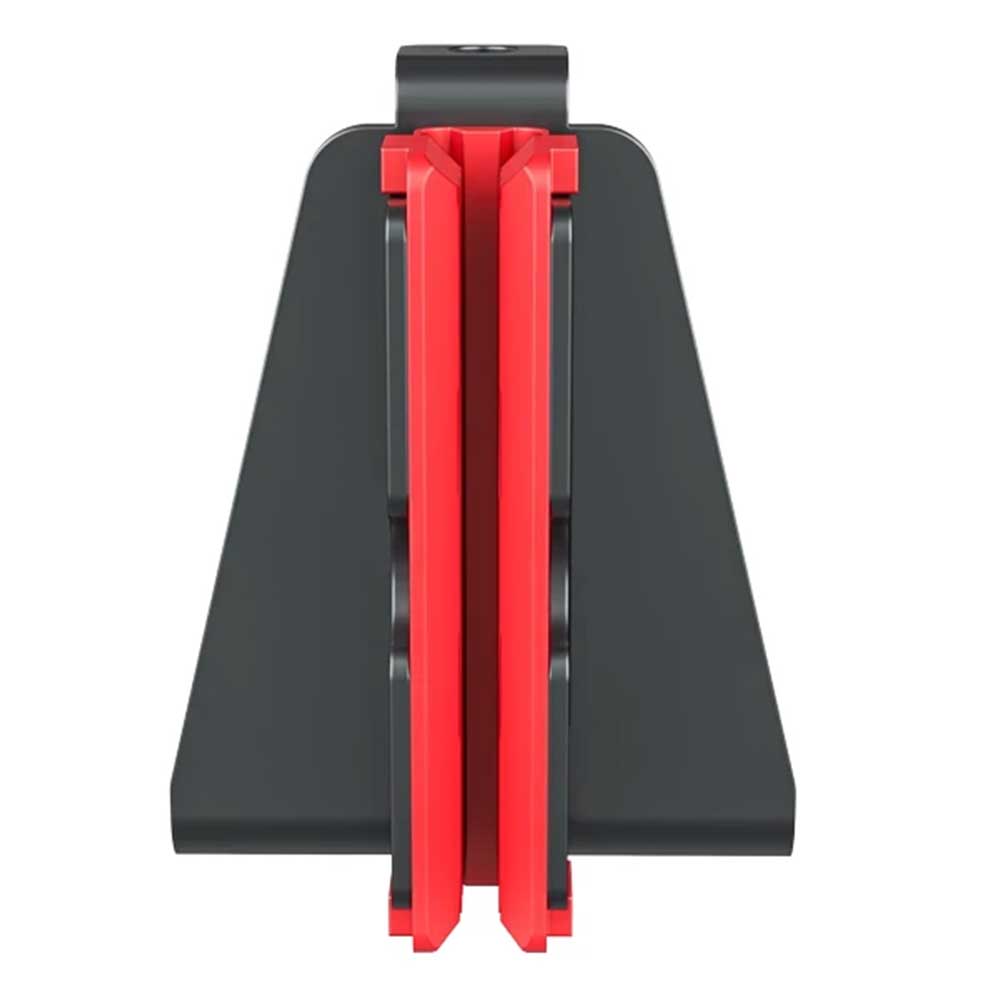
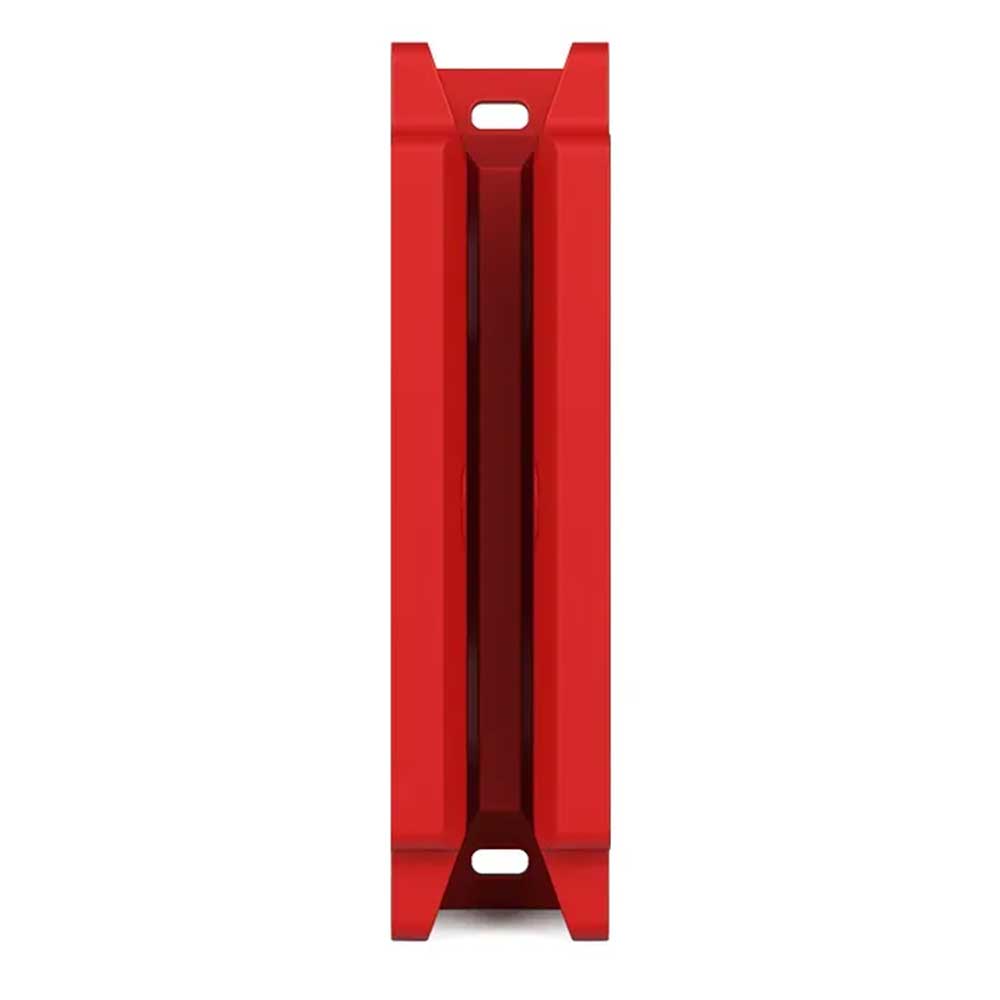
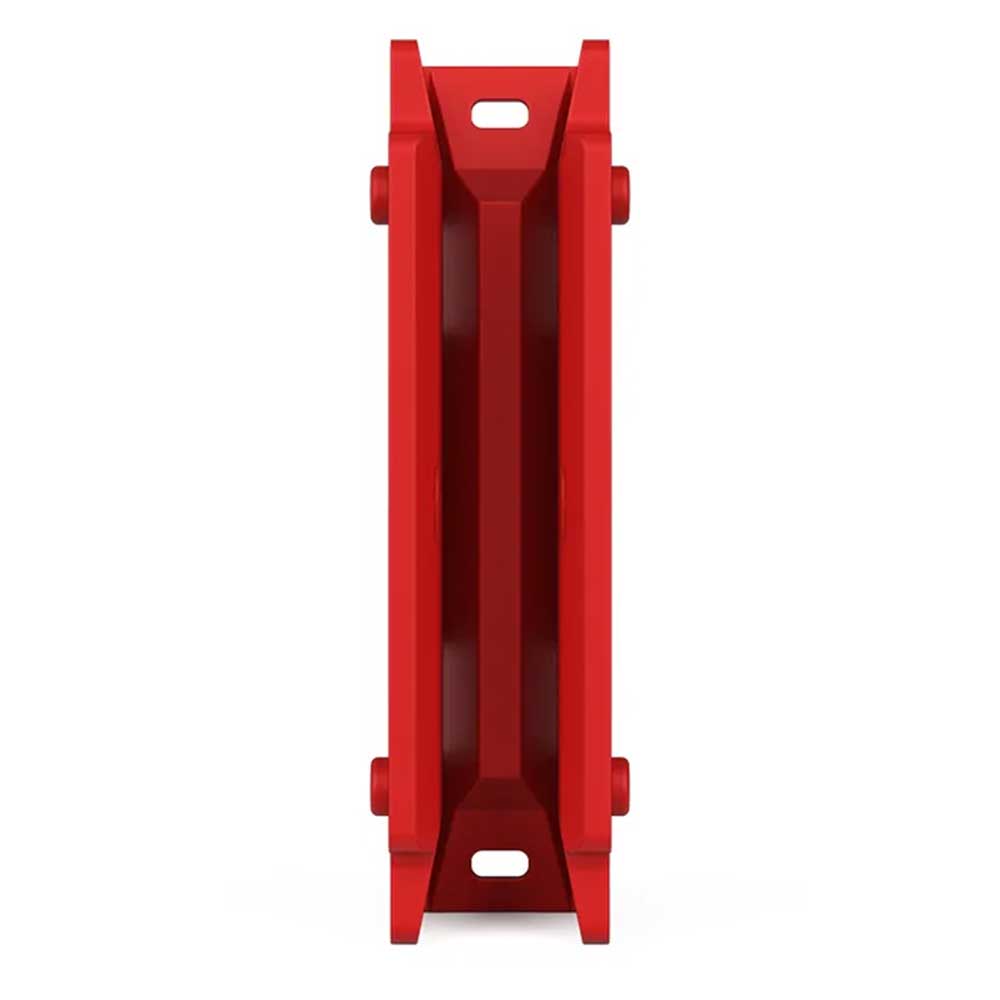
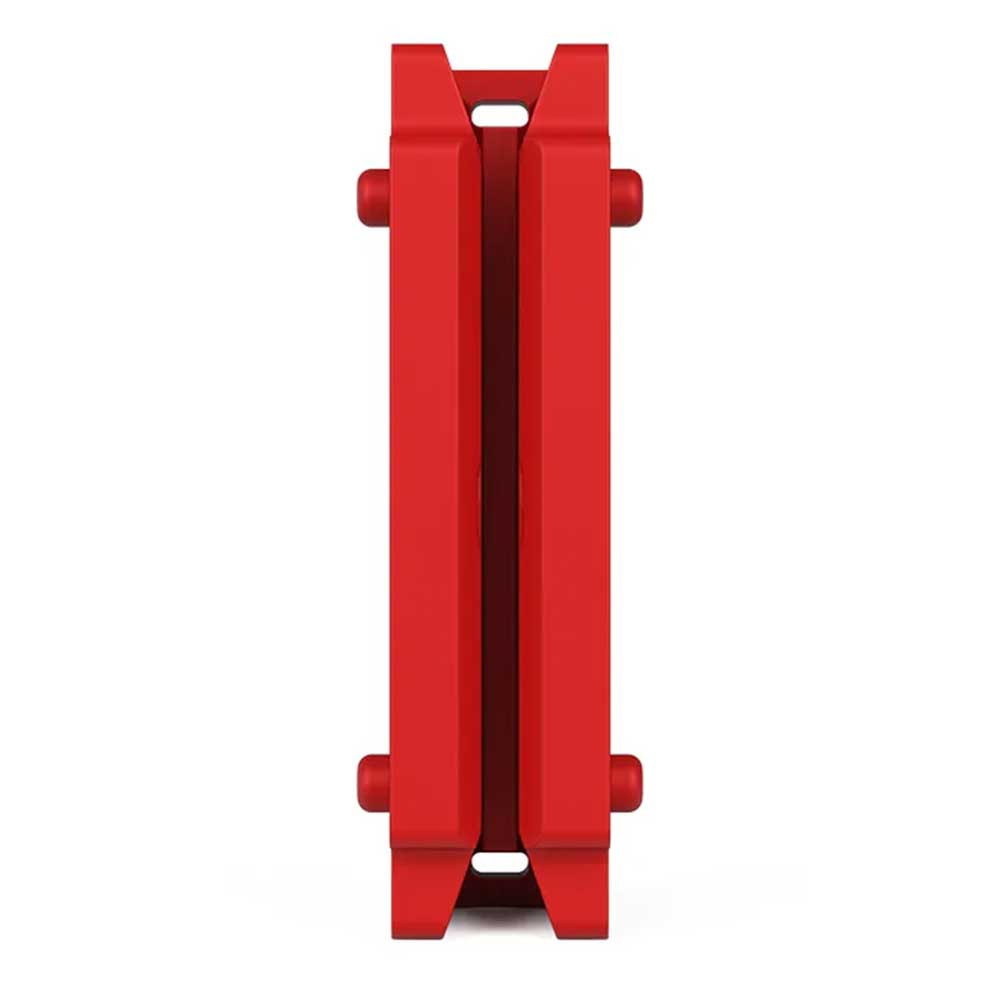
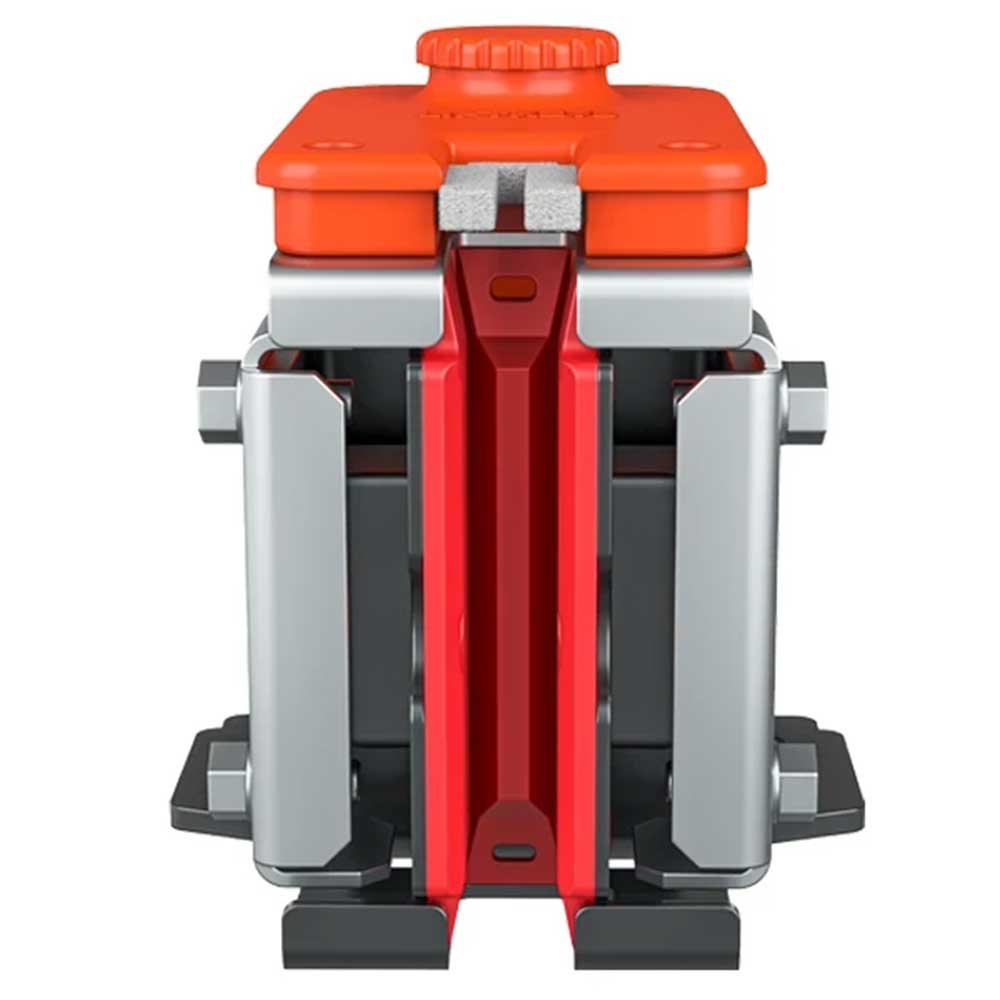
90 Series Main Guide Shoe with Lubricator is a sliding guide shoe assembly intended to help the elevator car follow its guide rails in a controlled and stable manner. When an existing lift develops guide-shoe wear, lateral play, irregular rail contact, rubbing noise or increasing maintenance demand, the complete car guidance arrangement should be reviewed as part of the modernization scope. This product brings the main car guide shoe and a lubricator unit for the sliding rail contact into one assembly, making it suitable for refurbishment projects where the car-to-rail interface needs to be renewed and maintained in a more structured way.
A guide shoe is not simply a mechanical part that touches the rail. Its mounting position, the condition of the contact element, rail cleanliness, rail joints, rail alignment and the geometry of the car sling all influence ride behaviour. Replacing an old guide shoe alone therefore does not automatically eliminate vibration, noise or side movement. Before installation, the technician should determine whether the symptom is related to rail adjustment, loose fixings, a worn insert, distorted mounting surfaces or another mechanical cause.
The integrated lubricator is an auxiliary element used to support the maintenance conditions of a sliding guide arrangement. The lubricant type, filling quantity, feed method and inspection interval should not be chosen arbitrarily; they should be matched to the existing guidance system, rail condition and current technical documentation. Both insufficient and excessive lubrication can create undesirable conditions such as irregular contact, dirt accumulation or increased service requirements, so the lubricator and the rail surface should be visually checked during scheduled maintenance.
Modernization Selection and Installation Checks
The 90 Series designation identifies the product variant and should not be treated by itself as a guaranteed rail dimension, mounting centre or compatibility statement. Before ordering, compare the existing guide-shoe mounting points, guide-rail profile, shoe housing, working area of the contact element, available surface on the car frame and the space required for the lubricator. Where the existing installation uses a different left/right arrangement, fixing direction or shoe orientation, physical compatibility should be confirmed by measurement and site inspection.
During installation, remove burrs, corrosion, hard contamination and irregular lubricant deposits from the guide rail. The guide shoe should not be forced against the rail to compensate for incorrect alignment. Fixings should be secured appropriately, the contact behaviour of guide shoes on both sides of the car should be checked together, and the car should be moved at controlled low speed after replacement so that rail joints, guidance noise, rubbing and lateral movement can be observed under actual operating conditions.
Commissioning, Periodic Maintenance and Project Verification
Commissioning should confirm that the car travels continuously along the rails, that the shoes remain engaged without excessive pressure, that no abnormal vibration or rubbing noise is produced and that the lubricator remains accessible for service. If unusual contact marks, looseness or one-sided wear appear after the first operating cycles, rail alignment and mounting geometry should be checked again. Periodic maintenance should include the shoe body, contact insert, fasteners, lubricator condition and guide-rail surface rather than treating each item separately.
Correct modernization selection should never be based on the product name alone. The existing car sling, guide-rail arrangement, mounting dimensions, rail surface condition, operating environment and maintenance method must be considered together. Final suitability of 90 Series Main Guide Shoe with Lubricator should be verified against site measurements and current technical information; neither the product photograph nor the “90 Series” description should be used as the sole proof of dimensional compatibility. This approach is especially important when the same product family is specified across different buildings, lift designs and country installations.