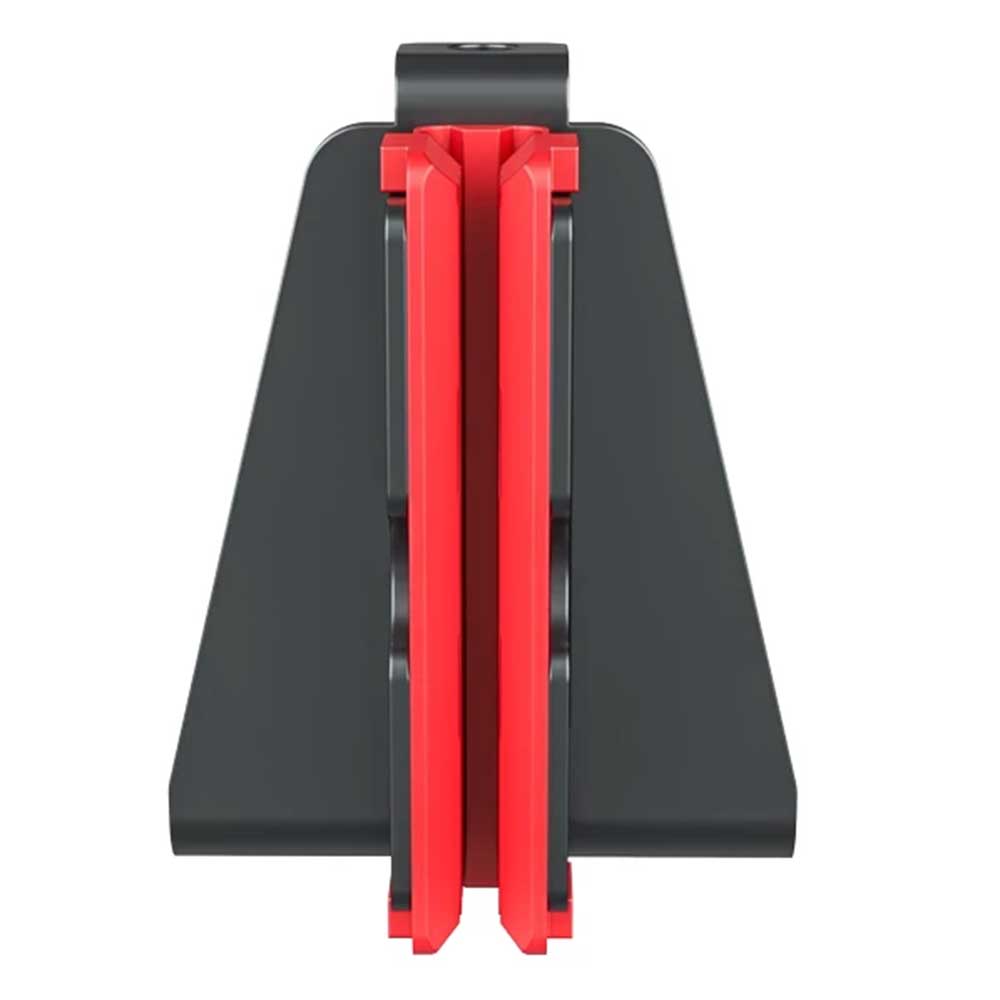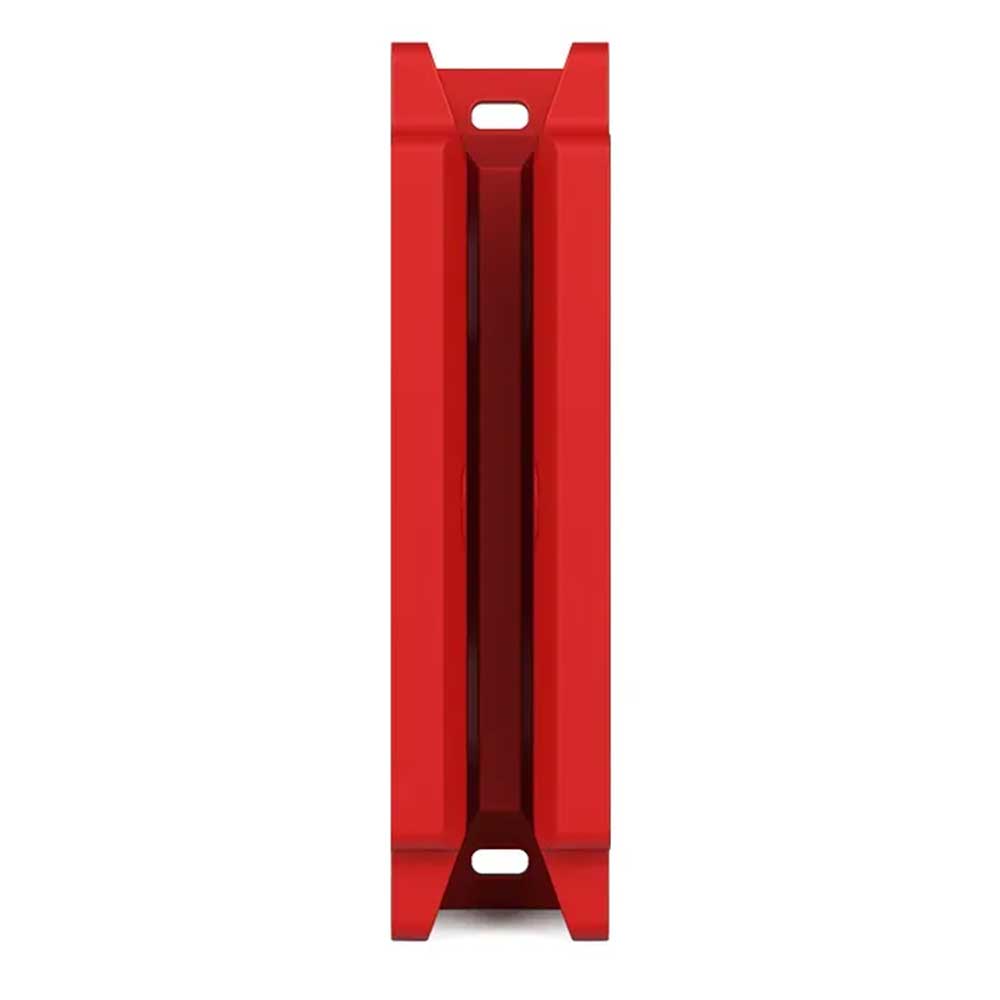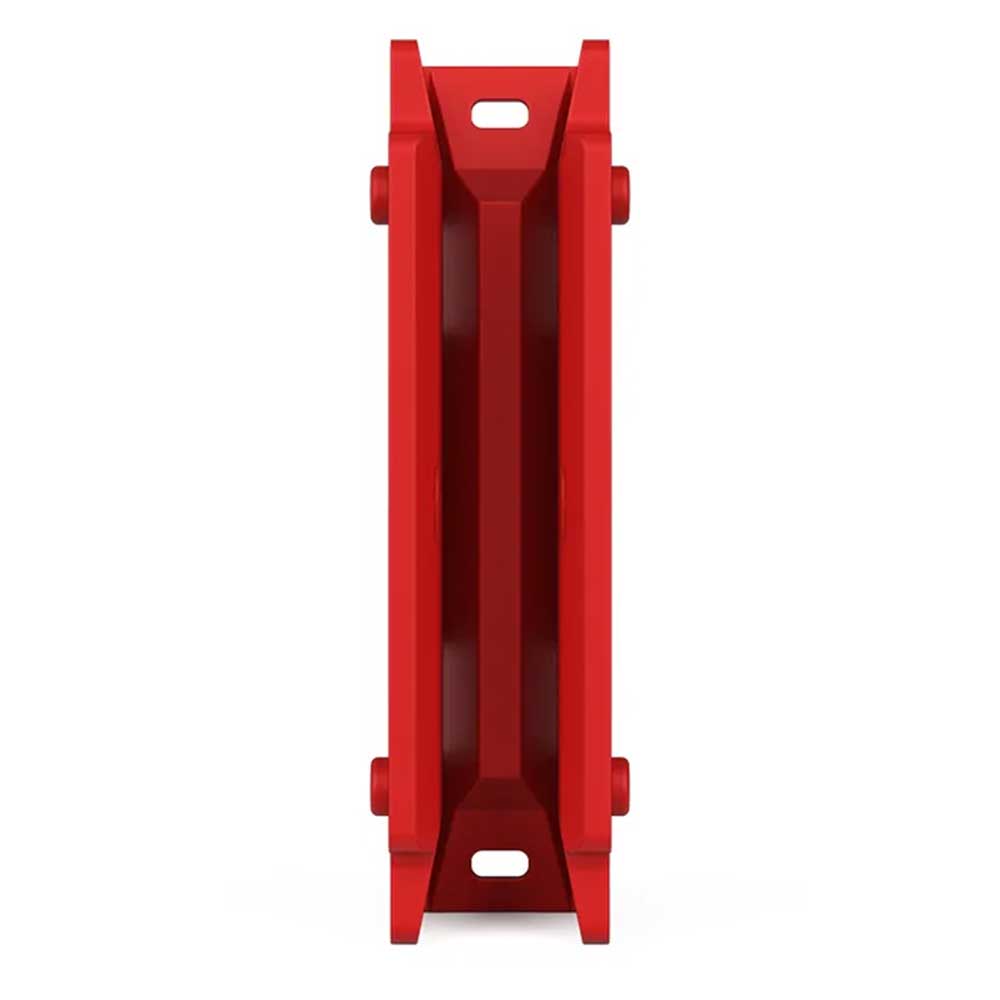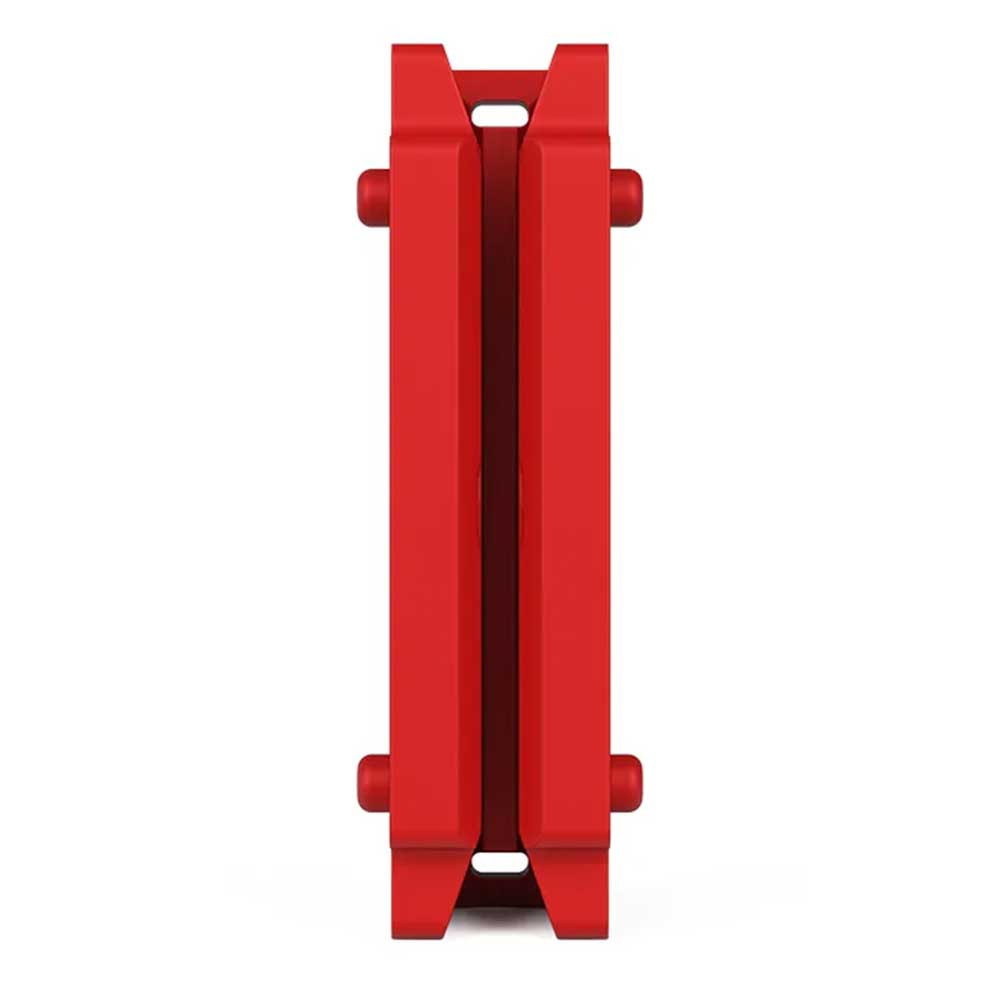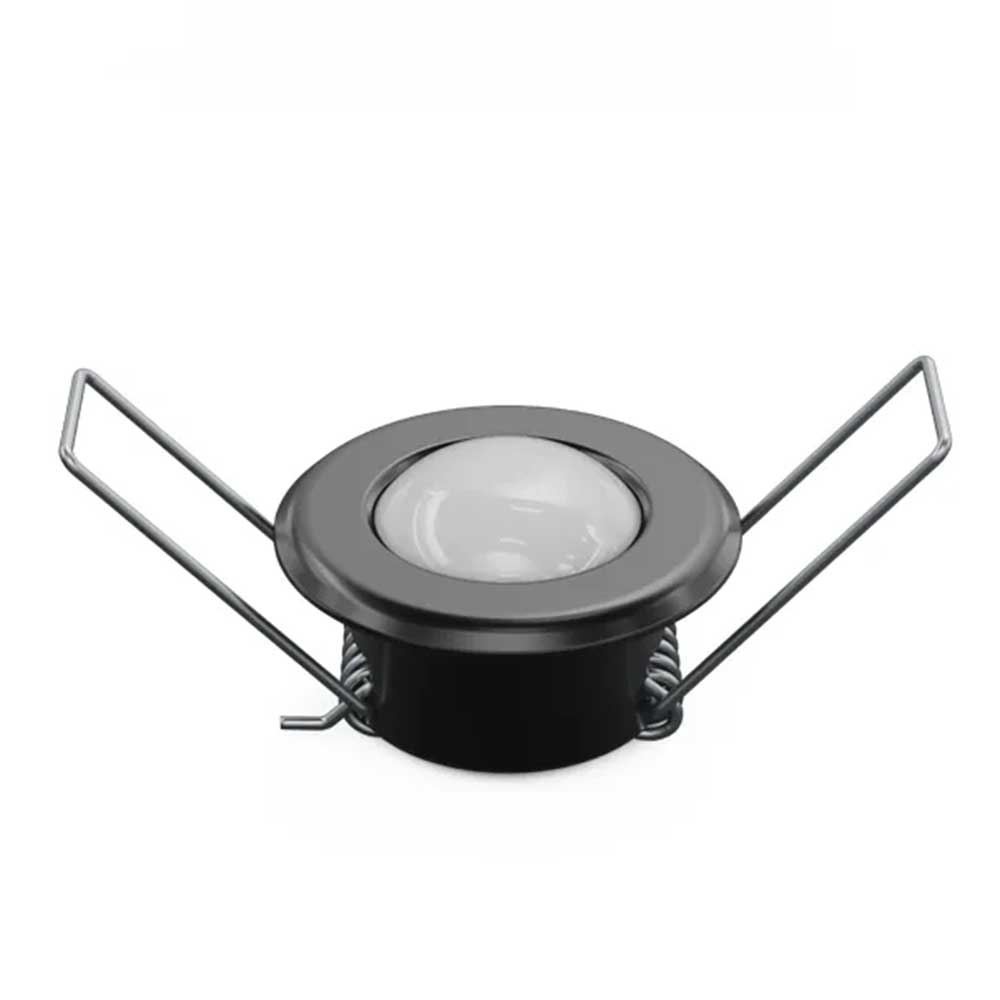

Bottom Saddle Handrail Fitting - Smoke
Cabin Component
KUP-LOWER-SMOKE Bottom Saddle Handrail Fitting - Smoke
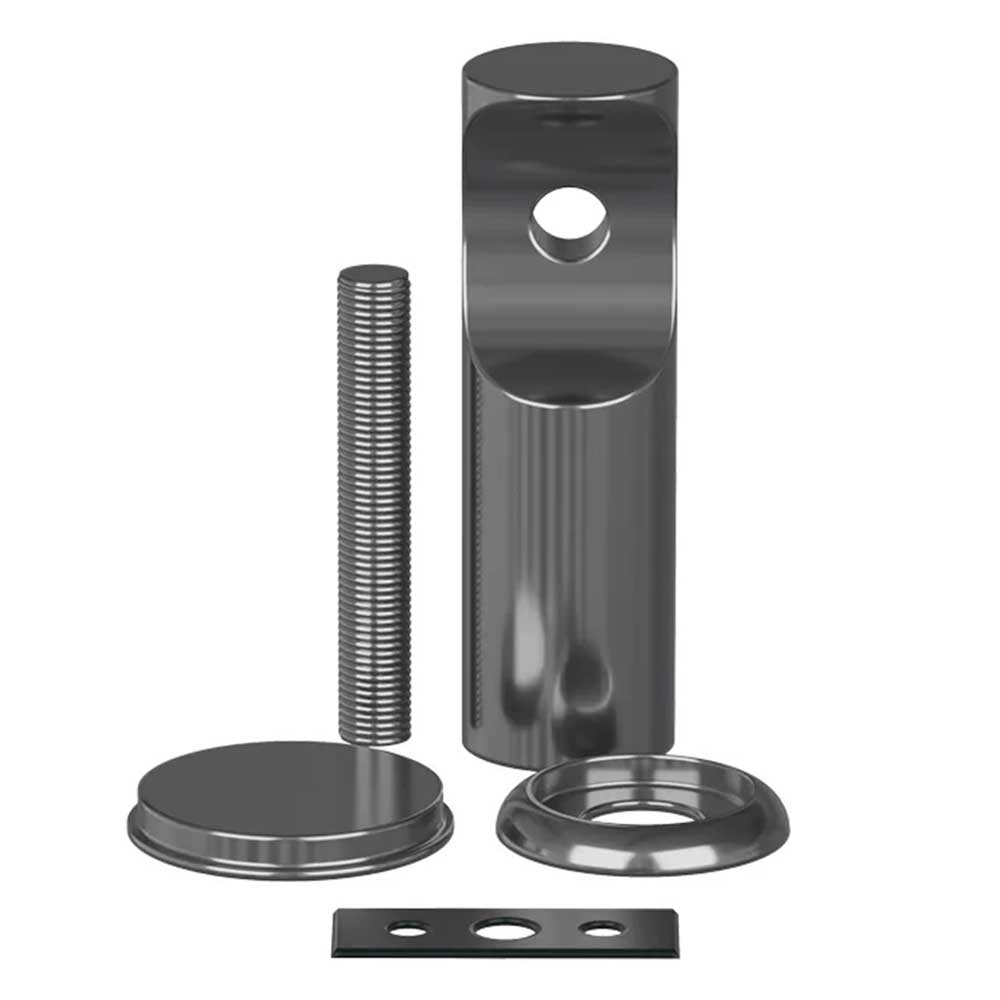
Bottom Saddle Handrail Fitting - Smoke
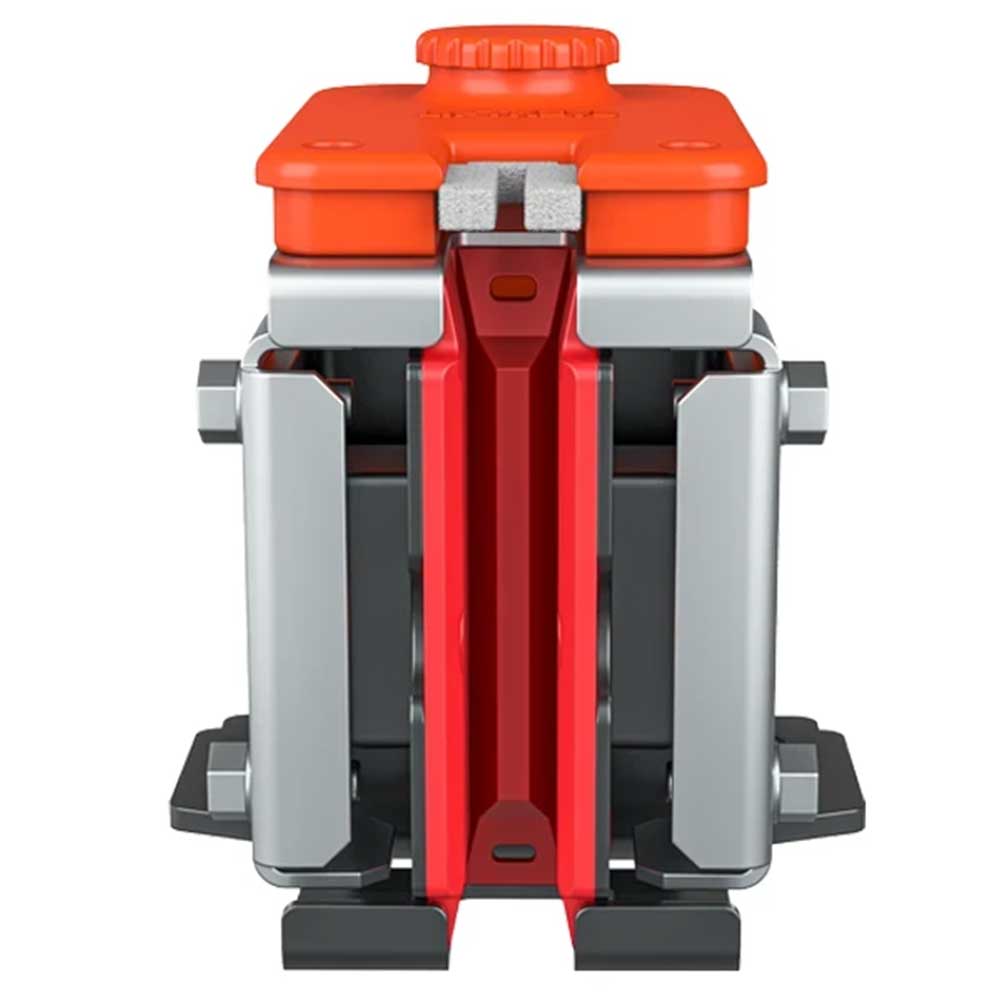
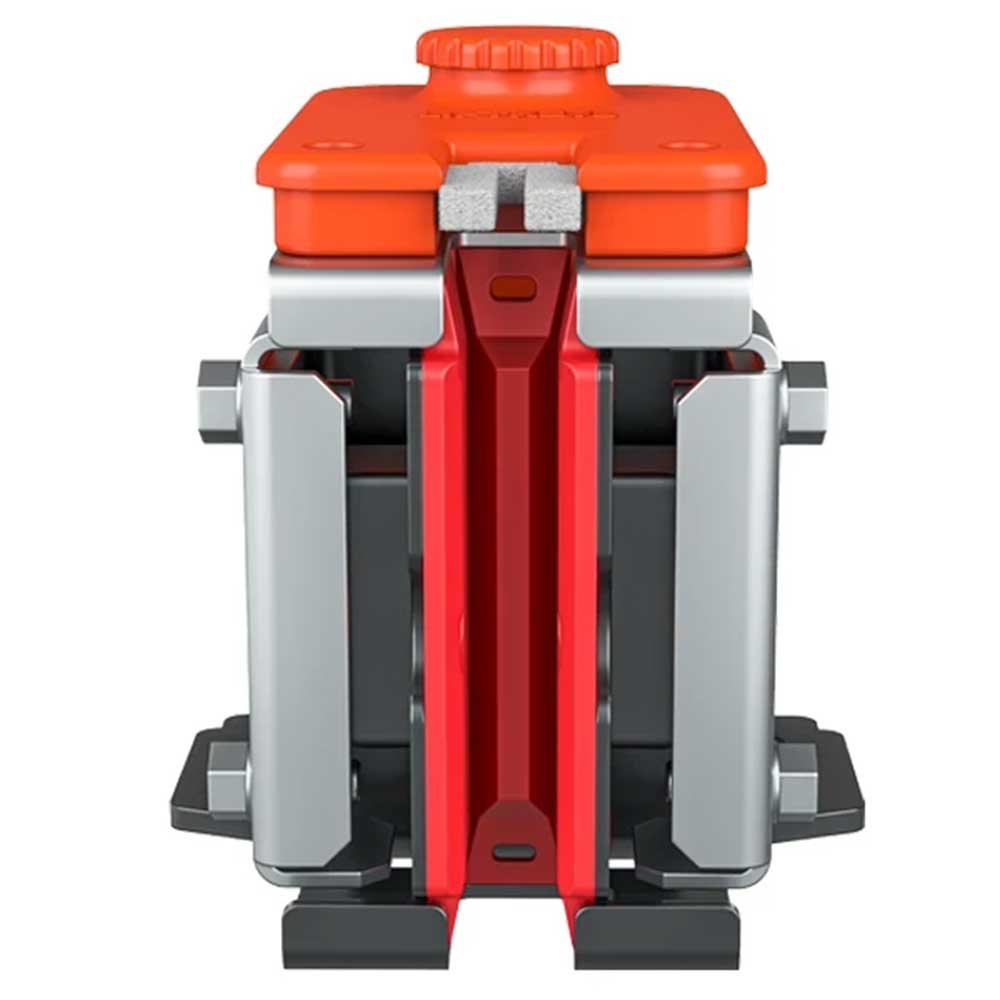
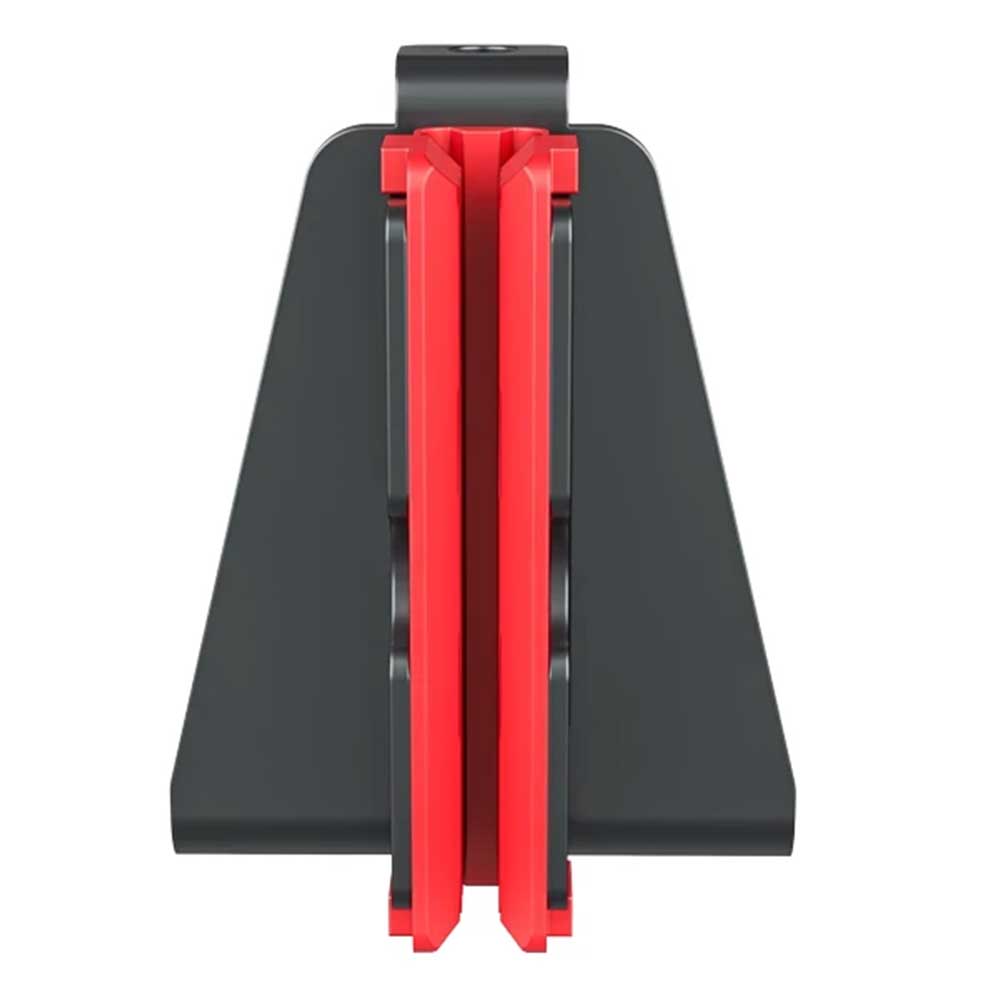
Bottom Saddle Handrail Fitting - Smoke is a decorative mechanical fitting that supports the elevator cabin handrail tube from below. An elevator cabin handrail is not only decorative; it also provides a gripping line for passengers and directly interacts with the interior architecture. Selection should therefore consider more than appearance or finish. Tube and fitting geometry, mounting surface, continuity of the handrail line, passenger ergonomics, clearances to the operating panel, doors and other cabin elements, and future service access should all be evaluated together.
For this product, specifically verify tube outside diameter versus saddle fit, stud/screw geometry, panel surface, handrail axis, wall clearance, finish and fixing tightness. Accessories or tubes that look similar may use different diameters, fixing methods, surface processes or manufacturing revisions. Visual similarity alone is not evidence of interchangeability. When modernizing an existing handrail, record the old component dimensions, fixing holes, tube axis, wall/panel clearance and surface finish before dismantling and compare them with the proposed replacement.
Installation, Compatibility and Cabin Integration
Before installation, confirm that the cabin wall or decorative panel can properly support the fixing arrangement, that rear access is available where required and that mounting points do not interfere with other cabin equipment. Bottom Saddle Handrail Fitting - Smoke should not be forced into position; tubes and fittings should be aligned without introducing unwanted stress or offset. Visible surfaces should be protected during assembly to avoid scratches, dents, coating damage or inconsistent appearance.
When the handrail line is complete, tube and accessory joints should appear aligned, without sharp edges or projections that can catch a passenger’s hand. Elbows and joints should seat cleanly, supports should remain firmly fixed and the tube should not rotate or move unnecessarily. Handrail placement should also be reviewed in relation to the operating panel, mirror, glass, decorative cladding and door movement zone.
Maintenance, Surface Protection and Project Verification
During commissioning, check the handrail carefully at several points for looseness, rotation, vibration, gaps, sharpness or movement at the fittings. The check should also consider hidden rear fixings where accessible. Because the handrail forms part of the visual cabin interior, consistency of finish among adjacent components should be reviewed under normal cabin lighting.
Periodic maintenance should inspect Bottom Saddle Handrail Fitting - Smoke and neighboring handrail components for looseness, scratches, finish deterioration, signs of corrosion, impact deformation and movement at fixing points. Abrasive cleaners or chemicals of unknown compatibility should not be used on decorative surfaces; cleaning methods should follow current recommendations for the supplied surface finish.
Exact tube diameter, wall thickness, component dimensions, thread, stud length, material grade, coating thickness, chemical resistance or compatibility with a specific cabin model must not be inferred from photographs. The explicit 201 stainless designation is retained only for tube products where it appears in the source product name. All other technical values should be confirmed using current documentation for the supplied revision and actual site measurements. This supports a clean cabin appearance, correct installation, maintainability and long-term integrity for Bottom Saddle Handrail Fitting - Smoke.
Project and maintenance records should document the product variant, finish, tube/fitting combination, fixing points and post-installation inspection result. This improves future replacement selection in the same cabin and reduces the risk of confusing visually similar products that use different connection geometry.