ONYP Elevator Guide Shoe Inserts
Guide Shoes
ONYP ONYP Elevator Guide Shoe Inserts
ONYP Elevator Guide Shoe Inserts
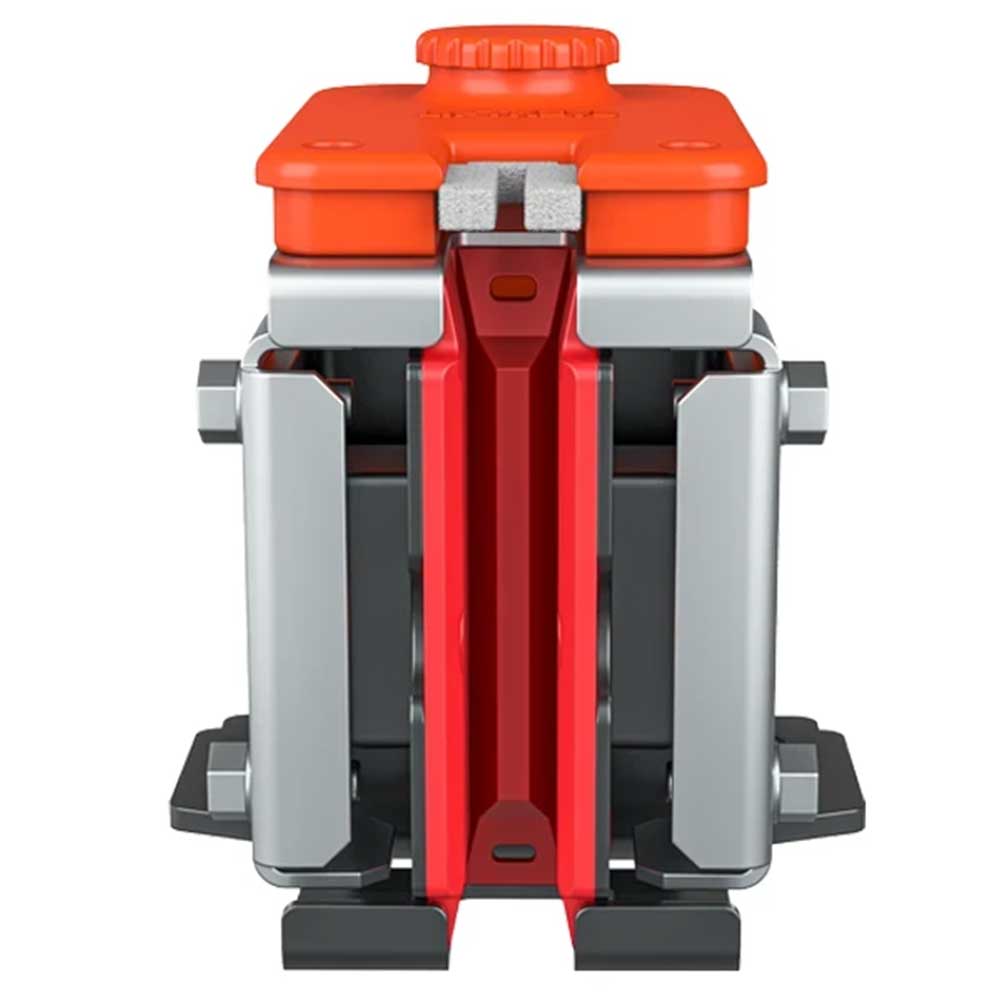
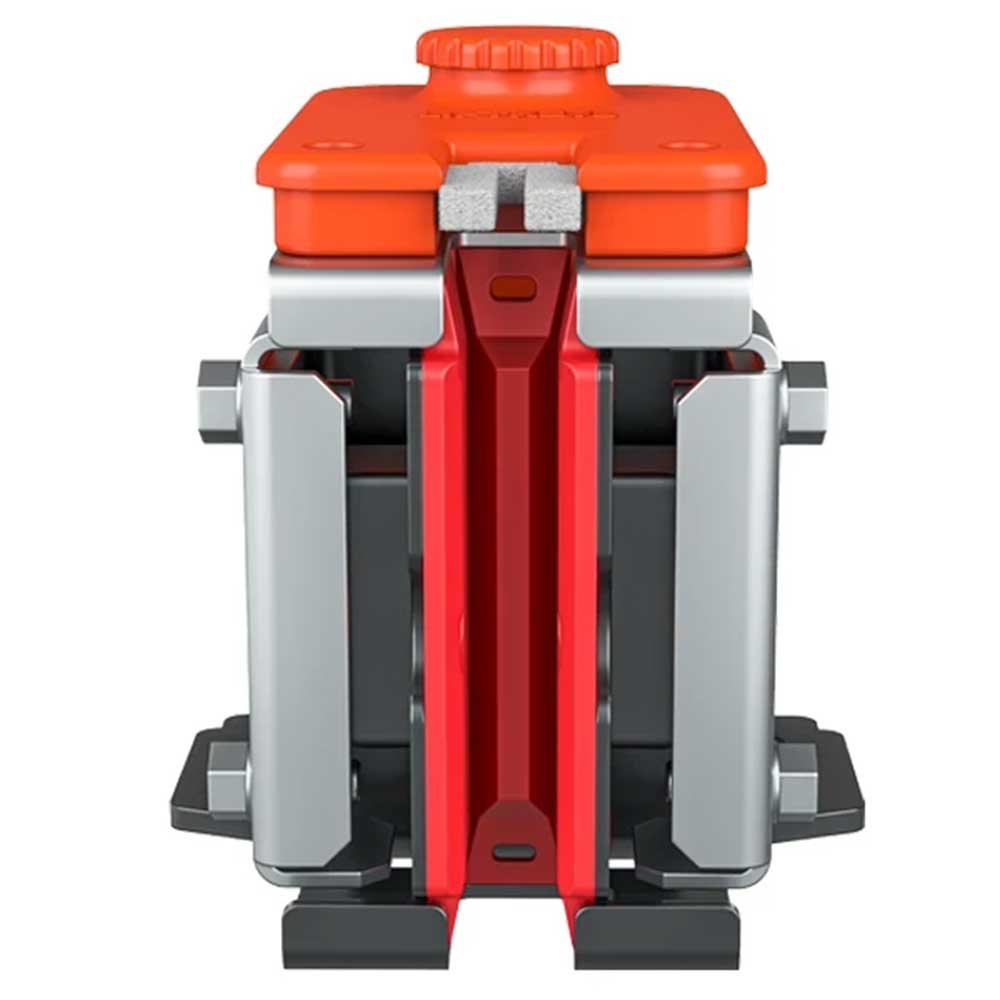
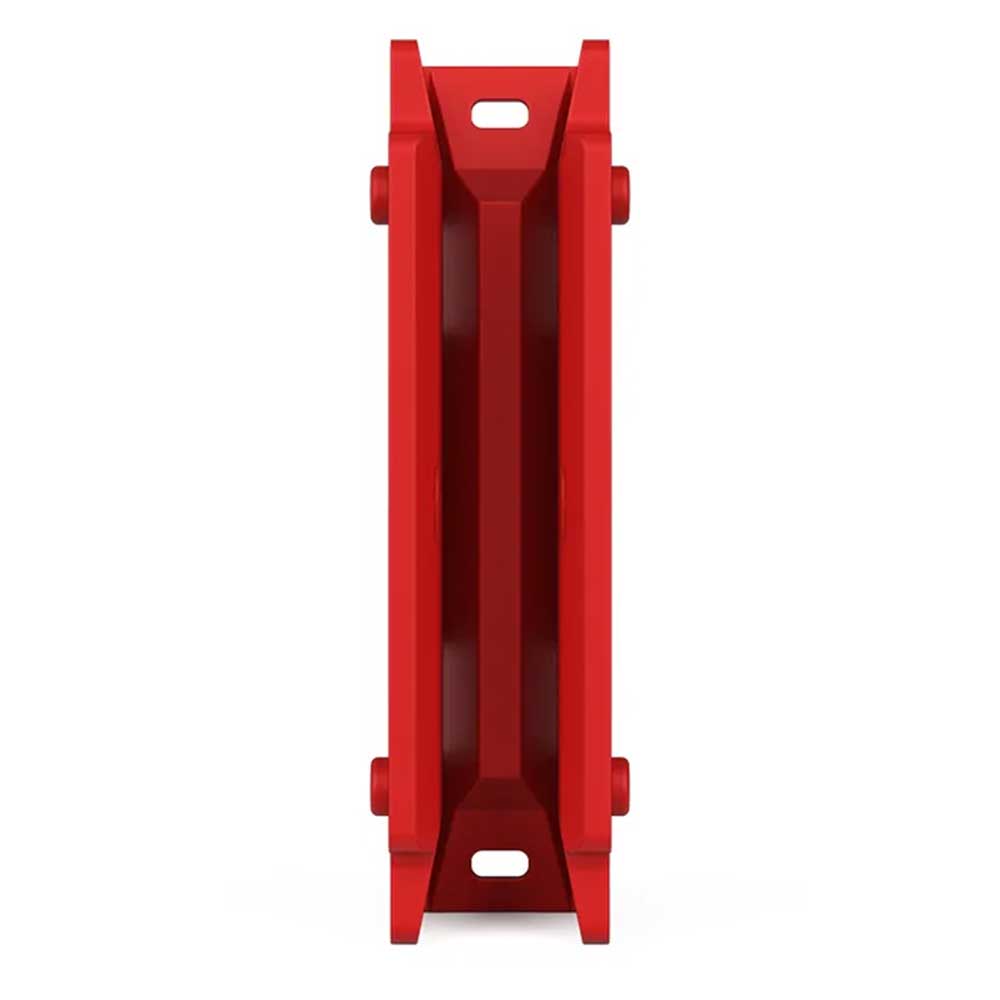
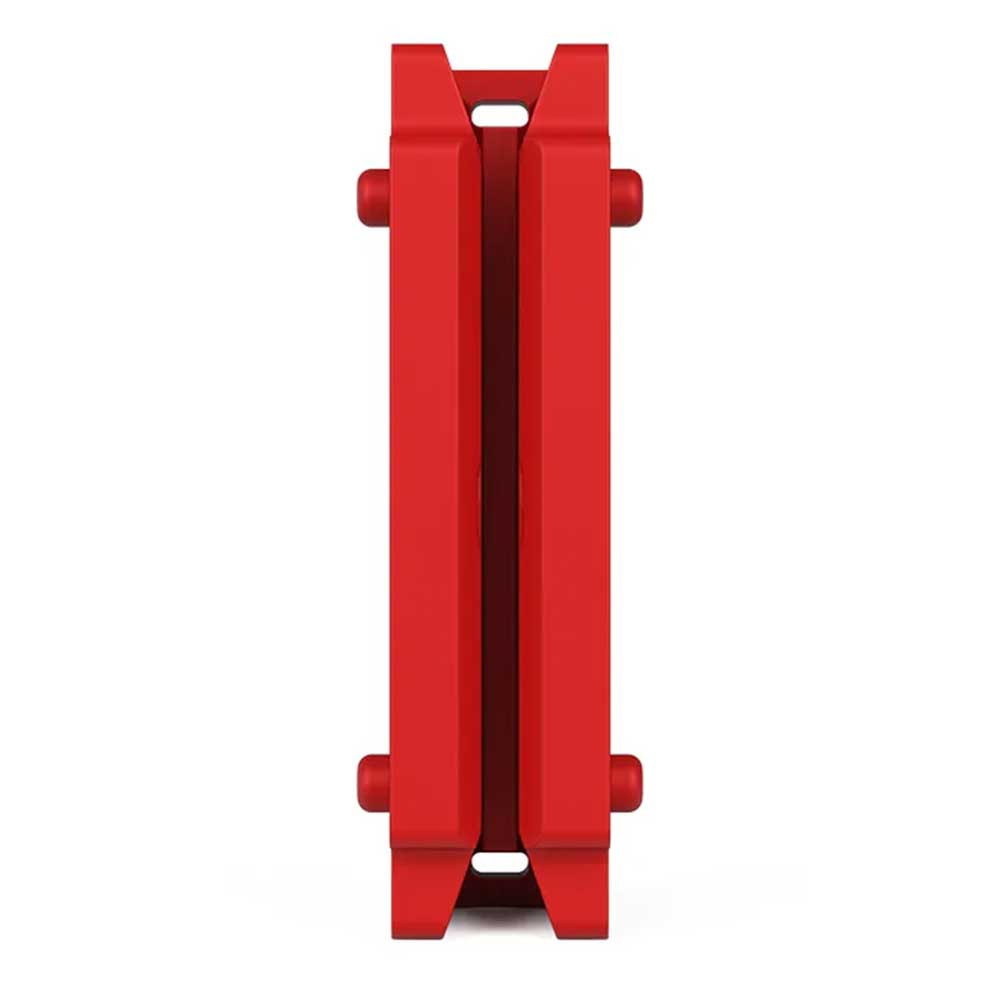
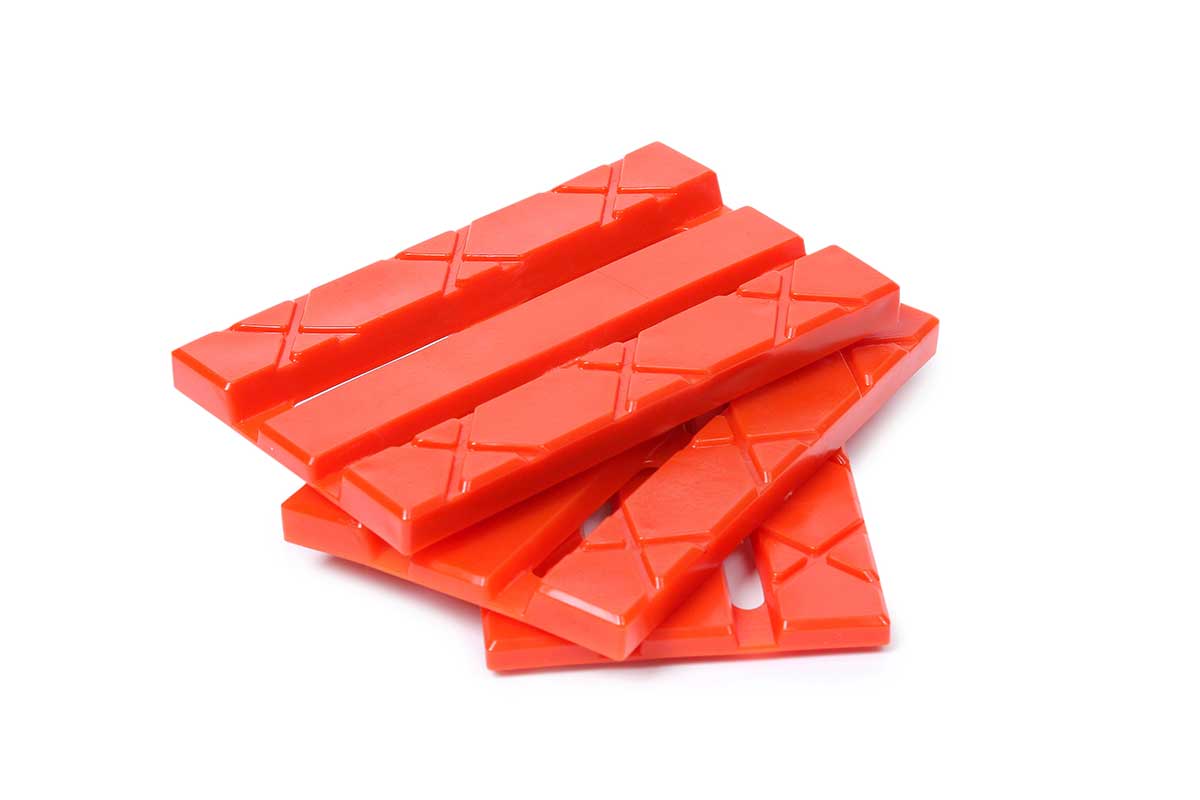
ONYP identifies plastic contact elements used with an elevator guide shoe body. Assess component shape, seating arrangement and rail contact surfaces against the existing shoe model to select a suitable replacement option.
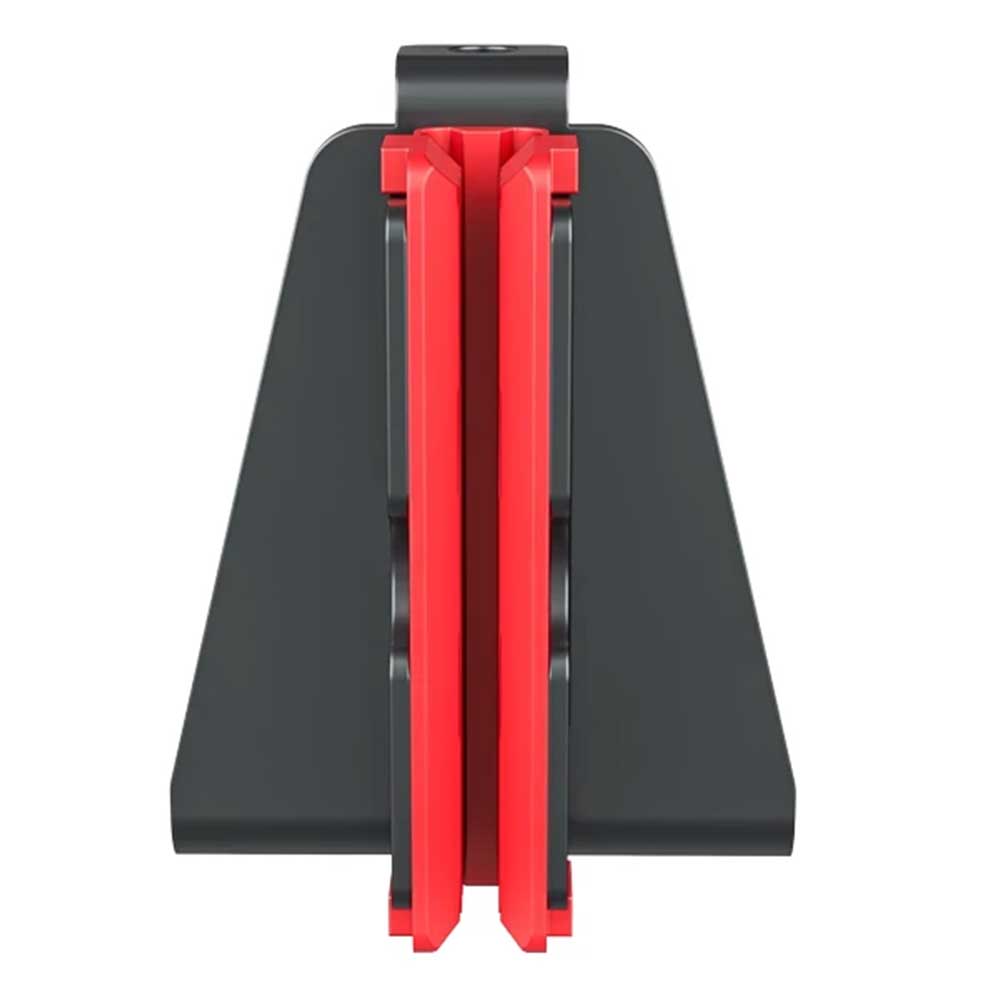
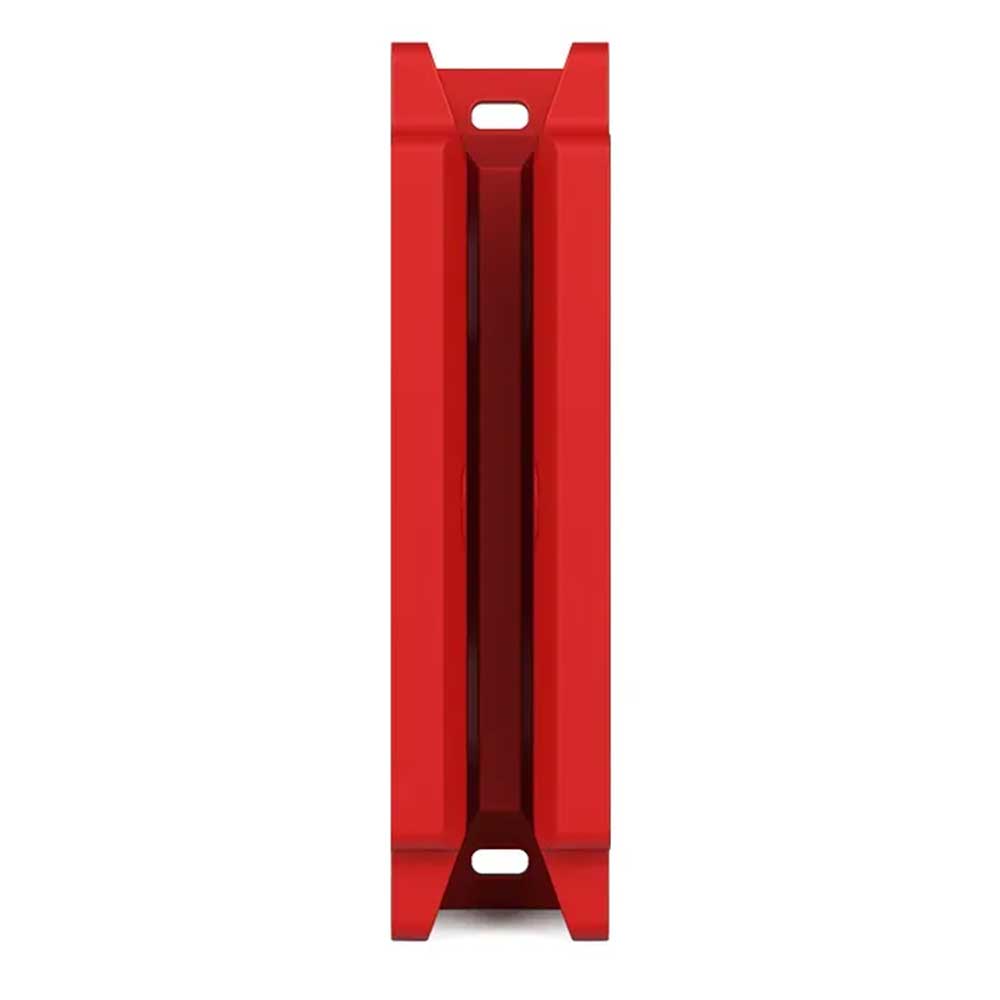
The ONYP image shows red plastic components with flat surfaces. Compare their form and seating with the existing sample, and do not assume direct interchangeability with ONP.
Application and Product Selection
Guide shoe inserts are replaceable elements in the contact arrangement between the shoe body and guide rail. Selection should consider the existing shoe model and rail profile together. Different insert shapes offered for similar purposes are not necessarily directly interchangeable. Maintenance or modernization planning should assess how the insert seats in the body and how it interacts with the rail.
Compare component length, groove or surface geometry, seating in the body and rail contact clearance. Verify material type, operating conditions and lubrication requirements against current product documentation. The red color in the photograph does not establish a particular polymer or technical capacity. Share the shoe code, rail profile and dimensions of the existing insert together when ordering.
A product should not be selected solely from a photograph or a similar model name. Exact dimensions, connection arrangements, operating conditions and system compatibility should be assessed against current technical documentation. Images show the general product form and do not replace a scaled manufacturing drawing. Check the application requirements together with the variant to be ordered.
Installation Planning and Maintenance
Before replacement, record the position of the existing component, its fixing points, interacting parts and maintenance access. Installation planning should cover dimensional comparison, suitable fasteners and the way components operate together. Installation and commissioning checks should be carried out by qualified personnel in accordance with the product instructions and the technical requirements of the project.
Maintenance should examine contact surface wear, cracking, deformation and seating in the body. After insert replacement, include the existing body, fixings and rail surface in the relevant inspection plan. Follow installation and any lubrication instructions in the selected insert and shoe model documentation. Confirm the operating arrangement of the replaced element through maintenance records and application-specific functional checks.
Keep the product code, selected variant, quantity, installation position and technical documents in the project file for maintenance and future sourcing. Reference photographs and dimensional records of the replaced component can also be included. This provides a traceable basis for selecting components for subsequent modernization work on other elevators with the same arrangement.
Modernization Project and Quotation
When requesting a product assessment or quotation from Katrelift, share the model code, required quantity, a photograph of the existing component and the relevant fixing dimensions. Indicating whether the project concerns a new installation, maintenance or modernization helps identify the appropriate variant and the associated components that should be considered together.