Polystyrene Elevator Lighting Diffuser Panel
Electrical Component
CAB-LIGHT-DIFF-PS Polystyrene Elevator Lighting Diffuser Panel
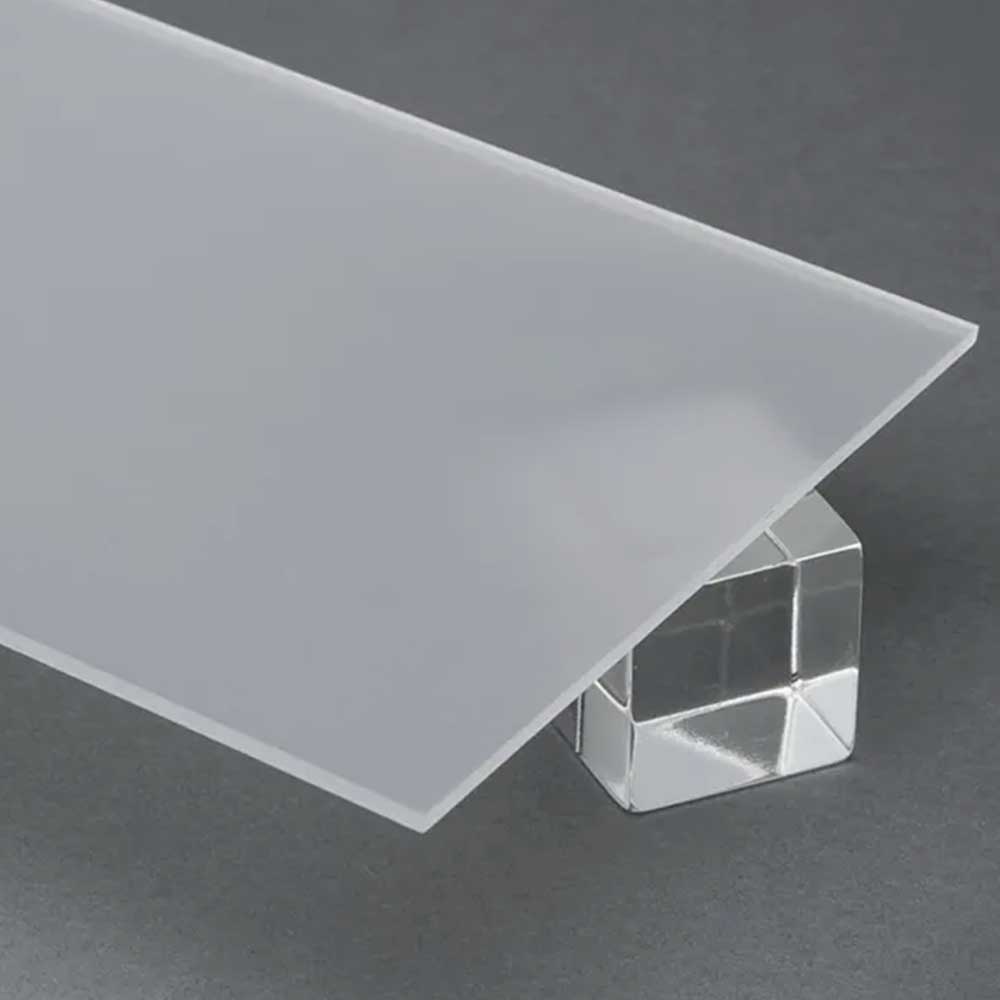
Polystyrene Elevator Lighting Diffuser Panel
Polystyrene Elevator Lighting Diffuser Panel is a diffuser/panel solution based on polystyrene material, intended for use in elevator cabin ceilings and similar interior-lighting assemblies where the light source is positioned behind a translucent surface. In modernization work it can be considered when existing lighting covers have become scratched, discoloured, cracked or visually inconsistent, and when the aim is to reduce direct visibility of LED, linear or other light sources while creating a more uniform illuminated ceiling surface.
Diffuser performance depends on more than the material name. Panel thickness, light transmission, surface texture, cut dimensions, compatibility with the supporting frame, distance from the light source and the thermal/ventilation conditions in the ceiling cavity should be evaluated together. When selecting Polystyrene Elevator Lighting Diffuser Panel, the dimensions and fixing method of the existing panel should be recorded. The replacement should sit securely in the ceiling cassette or frame without excessive stress. An overly tight fit may load the edges, while a loose fit may produce vibration, noise or an uneven visual line.
Because an elevator cabin is exposed to movement, vibration and frequent daily use, edge support and secure retention are important. The panel should not be treated as an isolated decorative cover; it works together with the lighting arrangement behind it. If the light source is positioned too close, individual bright points may remain visible; if it is too far away, useful illumination may be reduced. Existing ceiling geometry, light-source placement and the desired appearance should therefore be reviewed for each project. The translucent appearance visible in the product image supports a diffusion application, but exact optical performance must not be inferred from a photograph.
Modernization, Cutting and Installation
Before removing the existing lighting panel, record its clear width and length, corner details, seating allowance, supporting profiles or frame construction and the direction in which the panel is removed. If the replacement requires cutting, use a method appropriate to the material so that the edge remains clean and free from cracks, notches or sharp damage. During installation the visible surface should be protected from scratches; where a protective film is supplied, it can remain in place until the final fitting stage. Fasteners or retainers should not clamp the panel so tightly that they create local stress.
If the panel must be removed to reach the lighting components, maintainability should be part of the installation design. Repeatedly forcing a diffuser out of a tight frame can damage edges and mark the visible surface. The retention method should therefore be both secure and serviceable. After replacement, observe light distribution, shadowing, visible LED points, vibration, noise and seating in the ceiling frame while the cabin is operating normally.
Maintenance, Cleaning and Project Verification
Periodic maintenance should check scratches, cracks, deformation, colour change and all supporting or retaining points. Cleaning methods should be compatible with the material and should avoid abrasive products or aggressive chemicals that could dull or attack the surface. Dust behind the diffuser can alter the visual uniformity of the light, so the lighting cavity should also be cleaned safely during service work.
Exact thickness, light-transmission value, impact performance, flammability rating, temperature limit, UV behaviour or certification for Polystyrene Elevator Lighting Diffuser Panel must not be assumed from the product name or photograph. These properties may vary with material grade, manufacturing specification and product revision. Final selection should be based on the actual cabin-ceiling dimensions, lighting arrangement, project requirements and current technical documentation. Accurate sizing, clean cutting, controlled installation and regular maintenance help create a more uniform and professional elevator cabin lighting result.